What the thing is
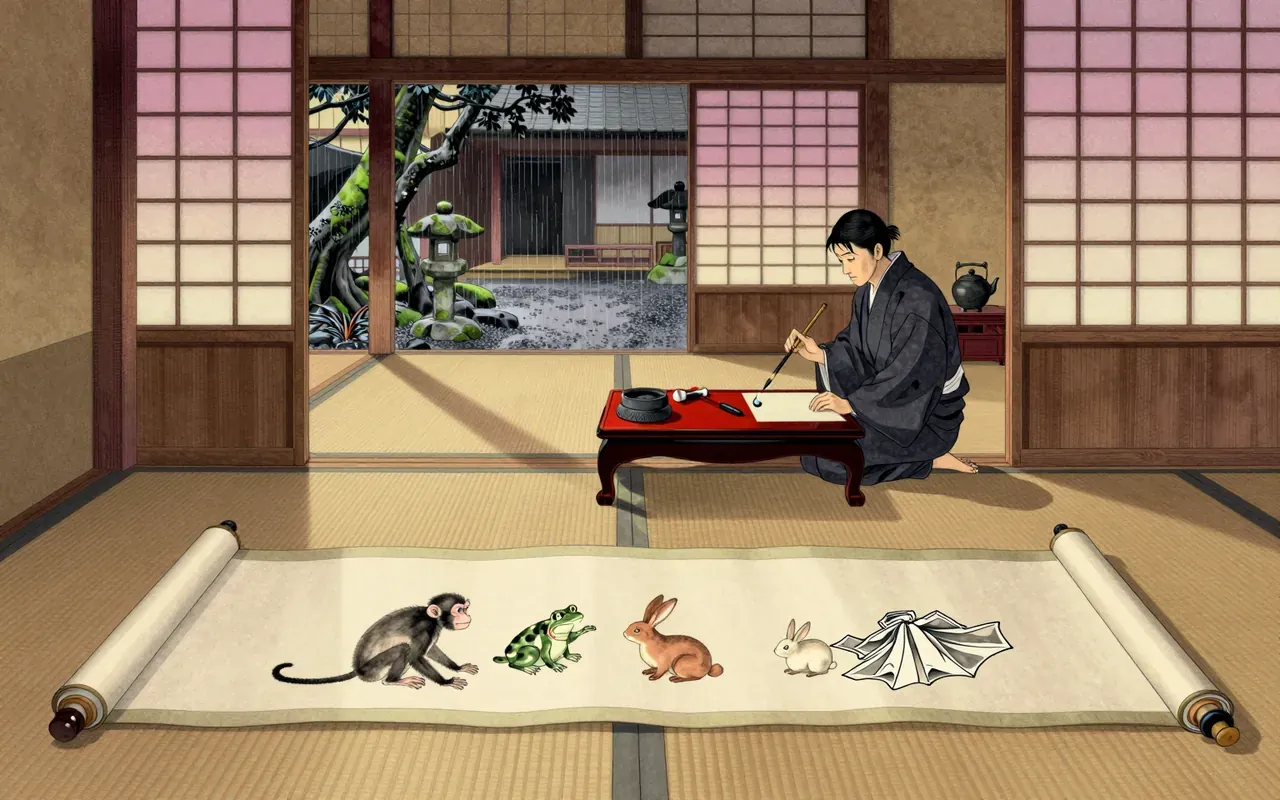
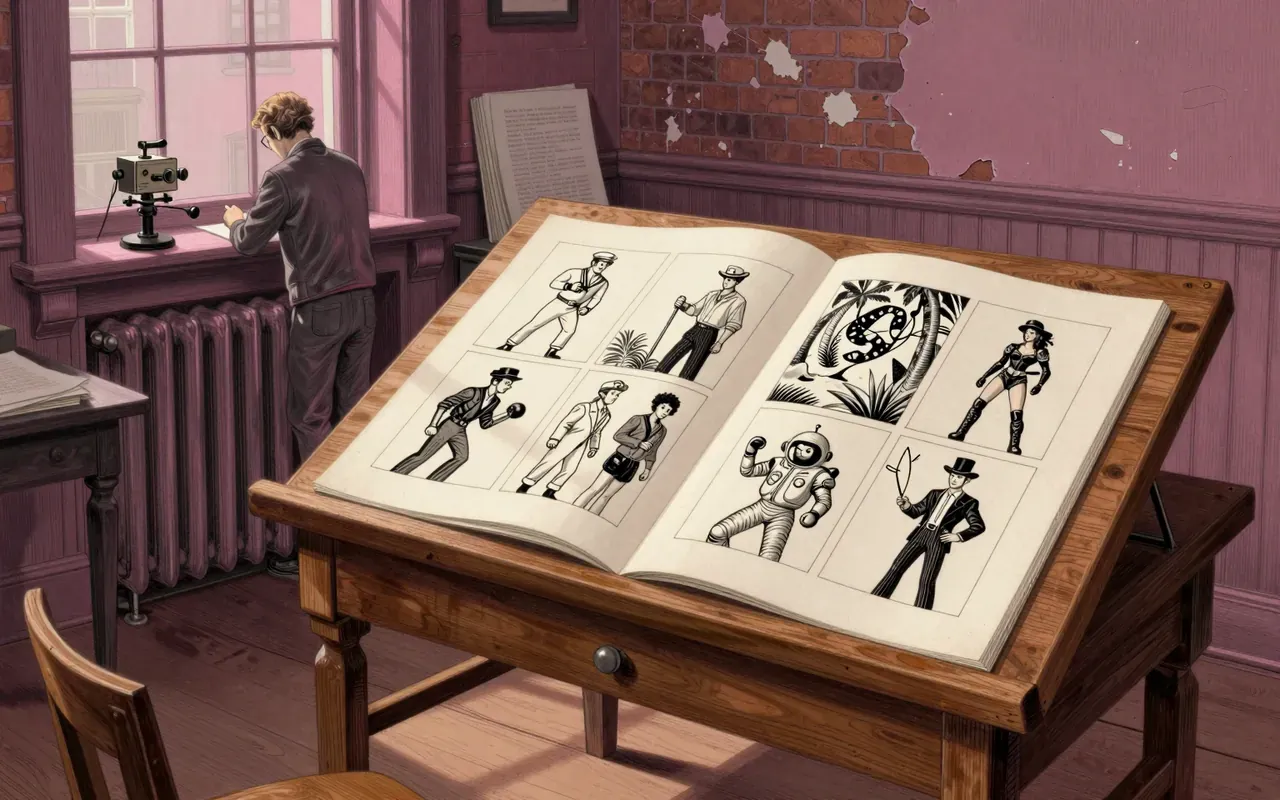
A comic book is a publication built on sequential panels representing individual scenes. It uses layout, timing and word balloons to convey narrative and dialogue.
Where it came from
British precursors like Ally Sloper’s Half Holiday (1884) used sequential cartoons for narrative. The first American prototype appeared in 1842 as The Adventures of Mr. Obadiah Oldbuck. Famous Funnies (1933) launched the modern American comic book format. Superman’s 1938 debut triggered the Golden Age.
What it gets right
It establishes sequential panels and word balloons as the core grammar of visual storytelling. It delivers narrative through rhythm, pacing and spatial arrangement—not just image or text alone.
What it gets wrong
It treats speech balloons as universal, but they are culturally specific conventions. Manga uses sound effects as visual texture; webtoons abandon panel borders entirely. The form assumes Western reading order and print constraints that no longer apply.
Why it matters now
It matters because its grammar underpins digital storytelling—from UI animations to social media carousels to TikTok cuts. The comic book did not invent visual sequencing, but it codified it for mass reproduction and cross-cultural translation.
Is it worth your time
Yes—if you want to understand how visual narrative became a mass medium. It is not inherently literary, artistic or progressive. Its value lies in its structural clarity and adaptability across cultures and technologies.