9:30in productionCh. 1 · How it’s made/ 9:30 · ceiling 15 min
Art
Papier-mâché
A material built from waste paper that fooled snipers, bound Persian books, and lined English ceilings—yet vanished not because it failed, but because plastic arrived with better PR.
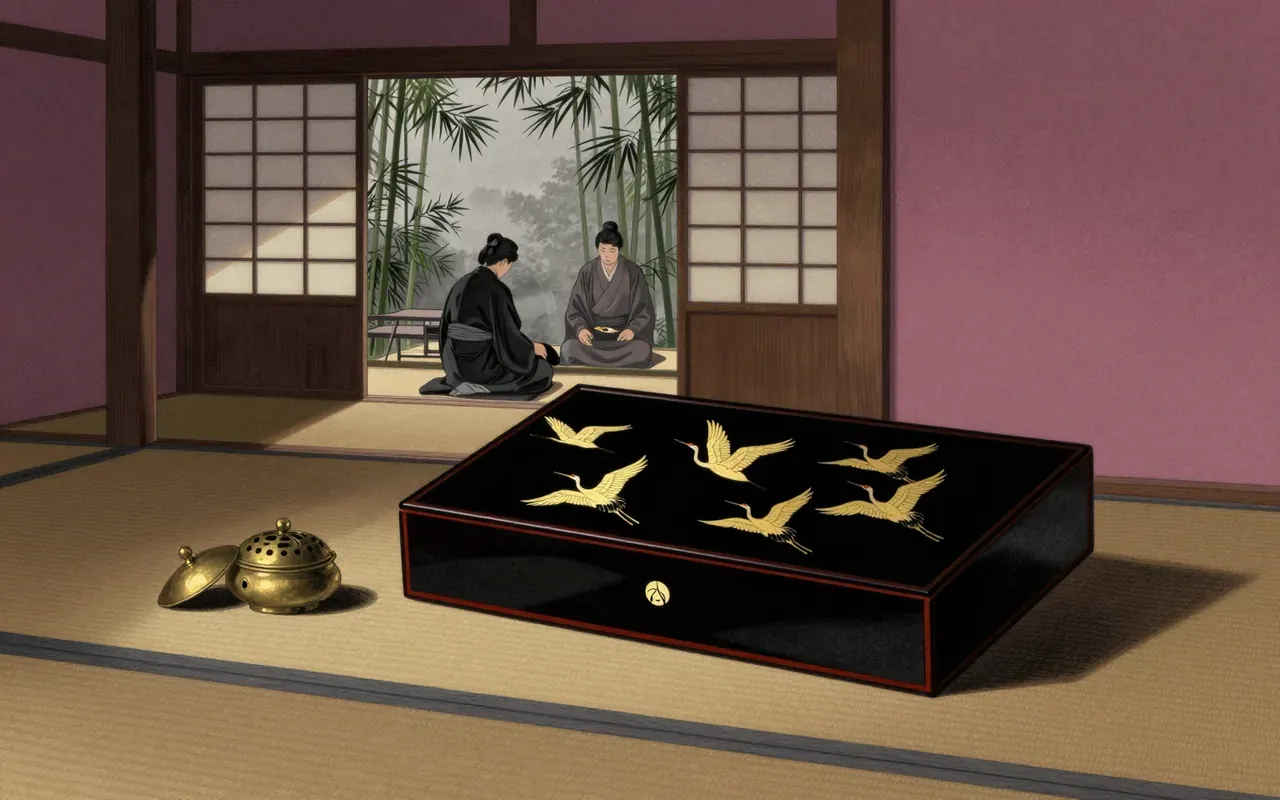
Papier-mâché is a composite craft technique originating in ancient China during the Han dynasty (~200 CE), made by combining waste paper, water, and a binder into either strips or pulp—both methods yielding a lightweight, strong, inexpensive material that dries hard. It spread globally, adapting to local needs: religious statuary in Italy, lacquered luxury goods in Persia and Kashmir, architectural ornamentation in England and France, military decoys and drop tanks in WWI/WWII, and folk art forms like Mexican cartonería and Japanese Sendai hariko. Its versatility enabled use across ceremonial, decorative, educational, theatrical, industrial, and military domains, though its commercial role diminished with the rise of plastics and composites.
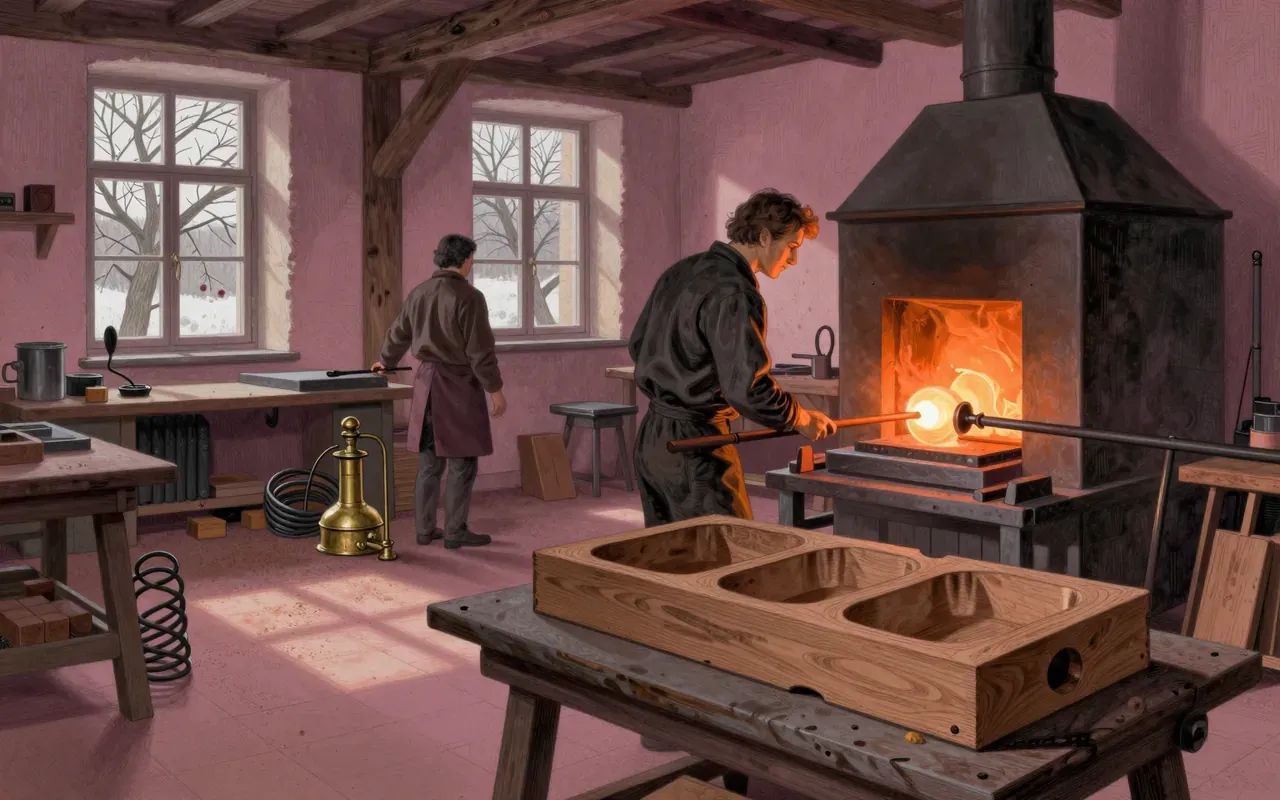
Two methods, one result: paper stripped of its softness and given structural memory.
2:31
Where it began
It predates Europe by 1,500 years—but ancient Egypt used cartonnage, not papier-mâché.
4:04
What it enabled
Persian bookbinders chose it for paint adhesion; Henry Clay made it waterproof for architecture.
5:45
What it disguised
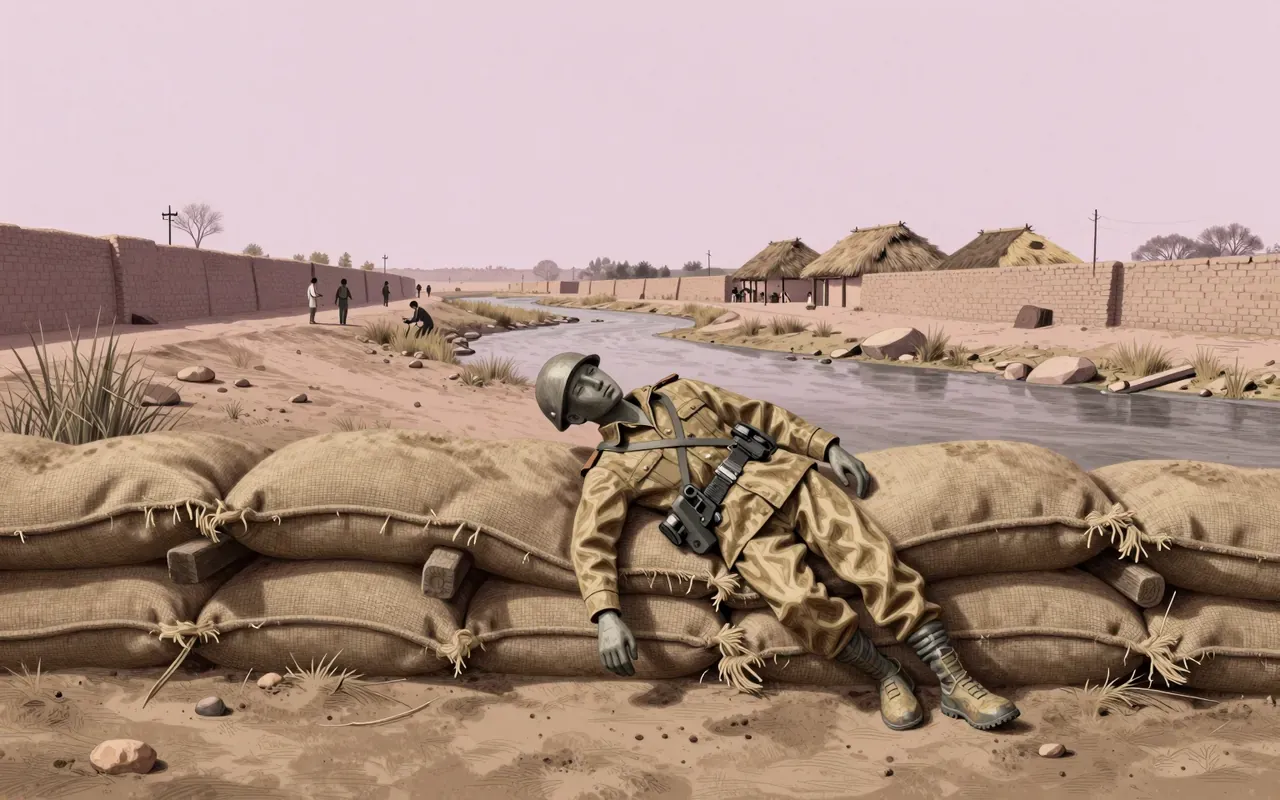
It absorbed sniper fire in WWI and fuel in WWII—proving utility trumps prestige in wartime.
Worth your time?
Yes. Study the whole thing.
4/ 5
What works
as a case study in adaptive reuse
as evidence of how infrastructure hides in plain sight
as a rebuttal to tech-utopianism
What does not
invention
movement
product
Study it if
design historians
conservators
military logisticians
Skip it if
collectors of 'vintage' decor
makers seeking Instagram-friendly crafts
The written brief1 min read
What the thing is
Papier-mâché is a composite material made from shredded waste paper mixed with water and a binder, formed either as glued strips or soaked-and-mixed pulp, then dried to hardness.
Where it came from
It originated in Han dynasty China around 200 CE, shortly after paper itself was invented.
What it gets right
It delivers strength, lightness, and cheapness in one process. It turns waste into structure. It adapts to ritual, industry, and deception with equal ease.
What it gets wrong
It invites dismissal as ‘just paper’. Its fragility when wet, its susceptibility to rot, and its erasure by plastics reveal a material that excels only where alternatives fail or cost too much.
Why it matters now
It is a quiet counterpoint to the myth of technological inevitability—proof that low-tech solutions persisted across empires, wars, and industries not because they were charming, but because they worked.
Is it worth your time
Yes—if you care about materials that shaped war, worship, and wallpaper without ever demanding credit.