culturebriefs
10:37in productionCh. 1 · How it works/ 10:37 · ceiling 15 min
Art

Maki-e

Maki-e is not decoration—it is metallurgy applied to lacquer.

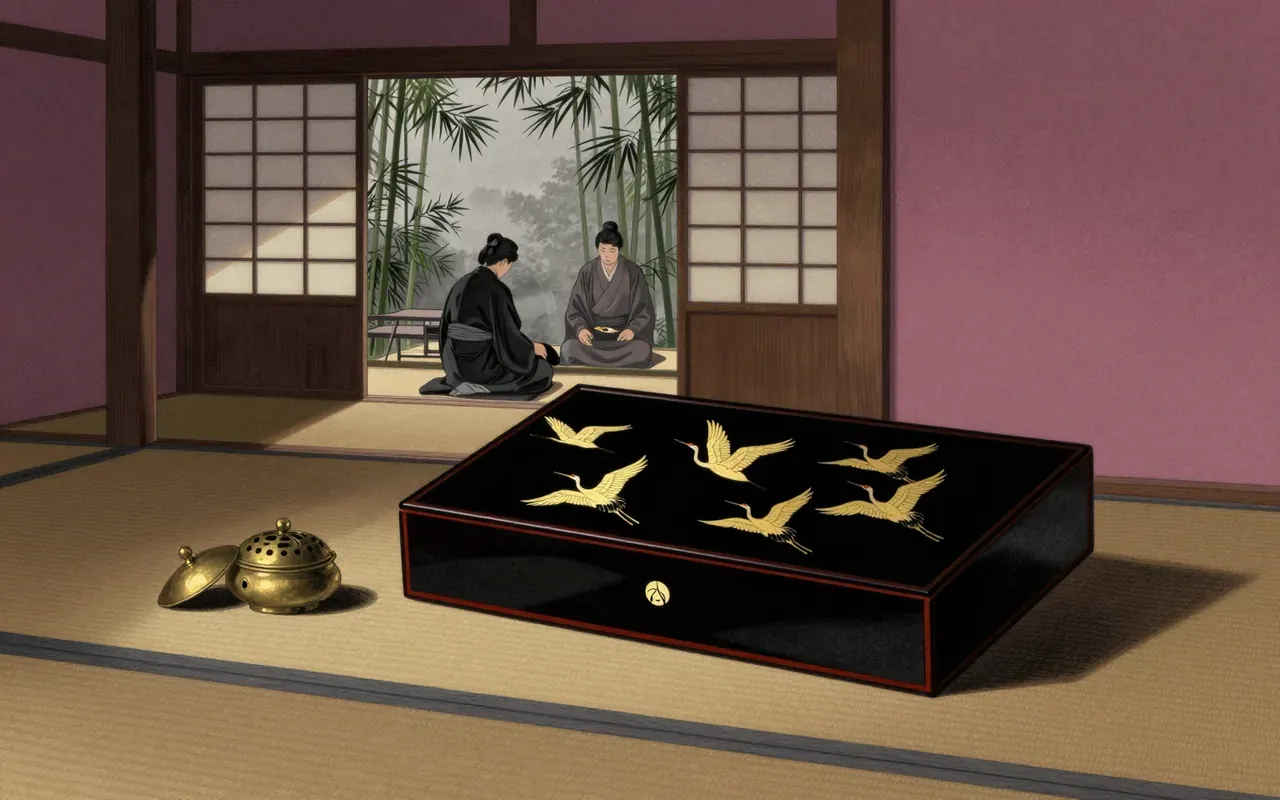
Maki-e is a Japanese lacquer decoration technique that draws with lacquer and fixes designs using gold or silver powder. It emerged in the Heian period, though Nara-period parallels exist. It is the most used technique in Japanese lacquer decoration. Its major methods—togidashi, hira, taka—reflect evolving material control. Kōami Dōchō and Igarashi Shinsai founded Japan’s two major lacquer schools.

Chapters & takeaways5
  1. 0:58
    How it works

    Maki-e is defined by lacquer as adhesive and metal powder as image.

  2. 2:24
    When it began

    The term dates to the Heian period—but parallels exist in Nara-period objects.

  3. 3:45
    How methods evolved

    Togidashi maki-e came first; hira followed only after metal powder could be refined.

  4. 5:09
    Its dominance

    It is the most used technique in Japanese lacquer decoration—not one among many.

  5. 6:44
    Who built its institutions

    Kōami Dōchō and Igarashi Shinsai founded Japan’s two major lacquer schools.

Worth your time?

Yes. Study the whole thing.

4.5/ 5
What works
  • maki-e-is-a-technique-not-an-aesthetic
What does not
  • culture/arts
  • culture/society
  • culture/ideas
Study it if
  • designers
  • historians-of-material-culture
  • lacquer-makers
Skip it if
  • casual-viewers
  • digital-artists
  • collectors-of-contemporary-art
The written brief1 min read

What the thing is

Maki-e is a Japanese lacquer decoration technique. It draws designs in lacquer, then sprinkles gold or silver powder to fix them.

Where it came from

The term first appeared in the Heian period. A Nara-period sword scabbard at Shōsōin uses a similar technique called makkinrusaku.

What it gets right

It fixes design permanently with lacquer and metal powder. It prioritises surface control over illusion. It codified distinct schools and methods early—hira, togidashi, taka—each with defined physical outcomes.

What it gets wrong

Nothing is claimed to be wrong in the sources. The technique is described factually, not evaluated morally or aesthetically.

Why it matters now

It demonstrates how technical constraints—like coarse metal particles in the Heian period—directly shaped stylistic development. Its longevity shows craft as cumulative knowledge, not reinvention.

Is it worth your time

Yes—if you care about material precision, historical continuity in craft, or how a single technique shaped centuries of Japanese object-making.
Same beat · Art4 of 101
9:42
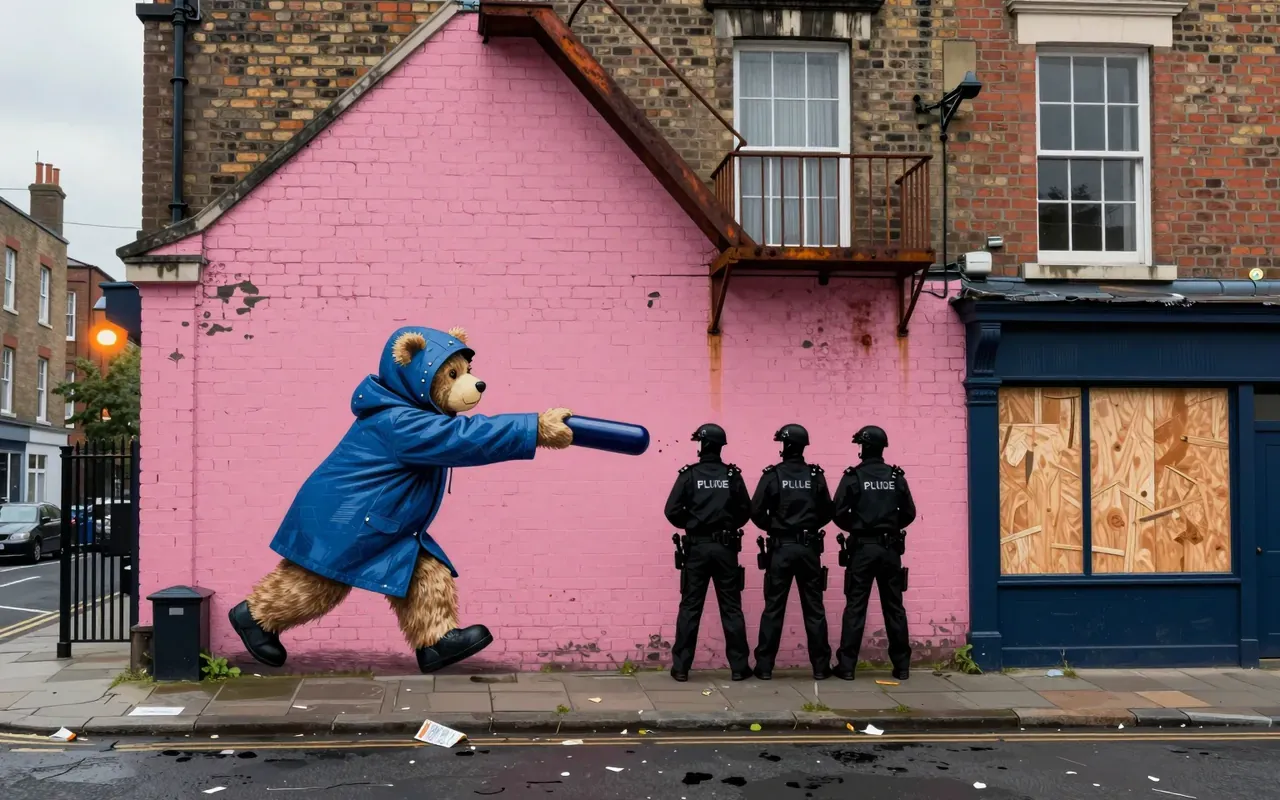
BanksyBanksy is a pseudonymous England-based street artist whose practice centres on stencilled, satirical interventions placed on publicly visible surfaces. He emerged from the Bristol underground scene in the 1990s. His first known large-scale mural was The Mild Mild West in 1997 on Stokes Croft. Banksy makes satire legible on city walls. His stencils deliver punchlines fast. They occupy surfaces people pass daily. They force confrontation without requiring attention. The method relies on evasion—but that evasion obscures authorship, dilutes accountability, and turns political gesture into branded ambiguity. His work established a template for art that operates outside institutions but trades on their validation—exposing the friction between subversion and market absorption.
10:31
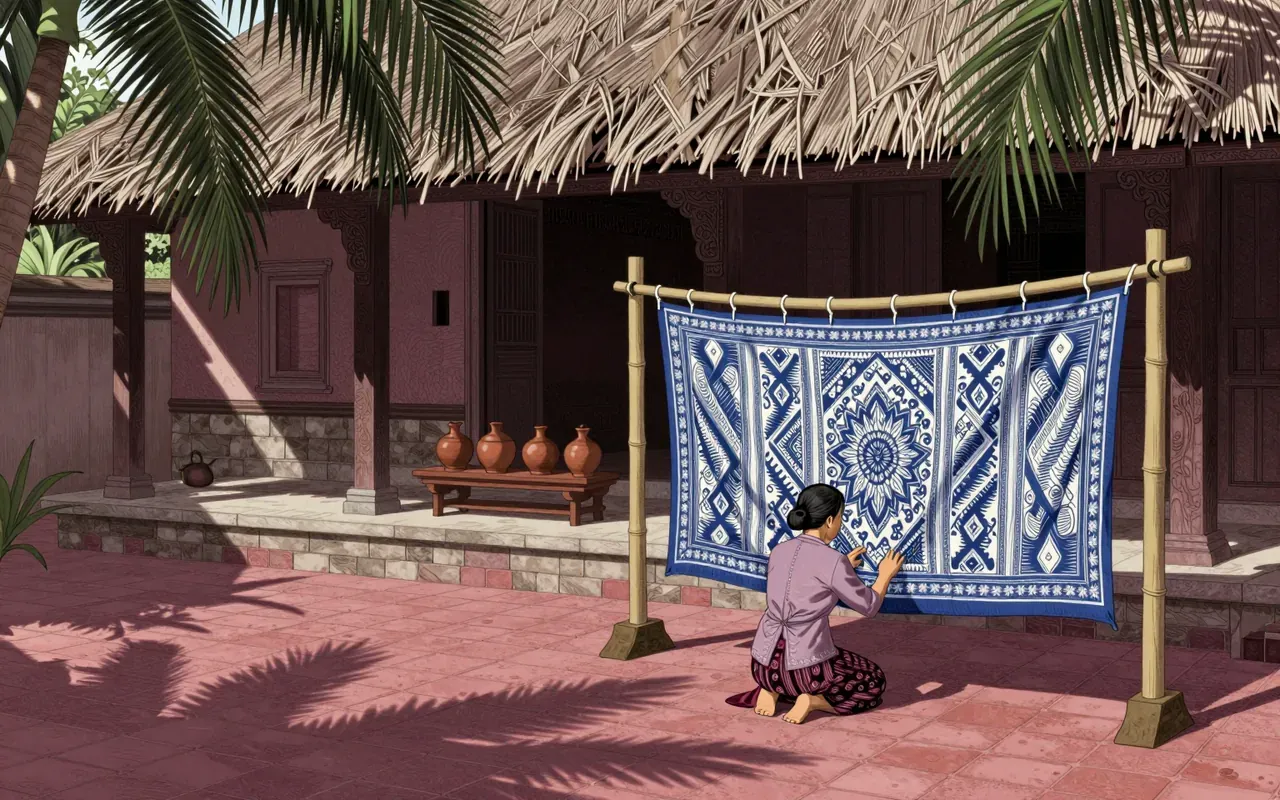
Batik in IndonesiaBatik is a wax resist-dyeing textile tradition from Indonesia. It is most highly developed in Java, where the technique has been used for centuries. The oldest surviving physical example is a 700-year-old blue-white valance. Raffles described it in his 1817 History of Java — the first European scholarly account. In 2009, UNESCO inscribed batik tulis, batik cap, and their associated education as Masterpieces of Oral and Intangible Heritage — prompting annual Batik Day and institutional preservation.
10:17
Cante flamencoCante flamenco is the vocal art at flamenco’s core—not its decoration. It formed in Andalusia through overlapping traditions. Its Golden Age codified it. Its 1922 ‘rescue’ privileged one strain over others. It matters because it shows how preservation can erase as much as it saves.
10:04
FrescoFresco is a method, not a style. It demands wet plaster, water-based pigment, and no binder. Its permanence comes from chemistry—not skill or fame. It began in Bronze Age Aegean and predates classical Greece. Today, its misuse blurs technical precision into vague ‘wall art’. It matters because it shows how material limits define what survives—and what gets remembered.
Up next in Culture

Lagos

1472 · 12:27

Lagos is not a city that works—it’s a city that endures, despite having no unified government, broken infrastructure, and rising seas.

12:27