culturebriefs
9:19in productionCh. 1 · What it is/ 9:19 · ceiling 15 min
Subcultures · Cities

Graffiti

Graffiti isn’t street art—it’s illegal text, and that distinction still defines who controls the city.

Graffiti is illegal public text. Its modern form began in Philadelphia and NYC subways in the early 1970s. Tags came first. It is not murals. It predates classical antiquity. Its persistence exposes tensions between ownership, visibility and voice in cities.

Chapters & takeaways4
  1. 0:43
    What it is

    Graffiti is defined by location, legality and visibility—not style or intent.

  2. 2:23
    Where it started

    Modern graffiti began with tags in Philadelphia and NYC subways—not galleries, festivals or murals.

  3. 3:38
    Not street art

    Graffiti is legally and functionally distinct from murals: one requires permission, the other does not.

  4. 5:52
    Ancient, not new

    Graffiti is older than democracy—its oldest written example dates to 500 BC on Astypalaia.

Worth your time?

Yes. Study the whole thing.

4/ 5
What works
  • culture/subcultures
  • culture/cities
  • culture/society
What does not
  • culture/art
  • culture/fashion
  • culture/food
  • culture/literature
Study it if
  • urbanists
  • lawyers
  • historians of public space
Skip it if
  • art collectors
  • gallery curators
  • brand strategists
The written brief1 min read

What the thing is

Graffiti is writing or drawings made on a wall or other surface, usually without permission and within public view.

Where it came from

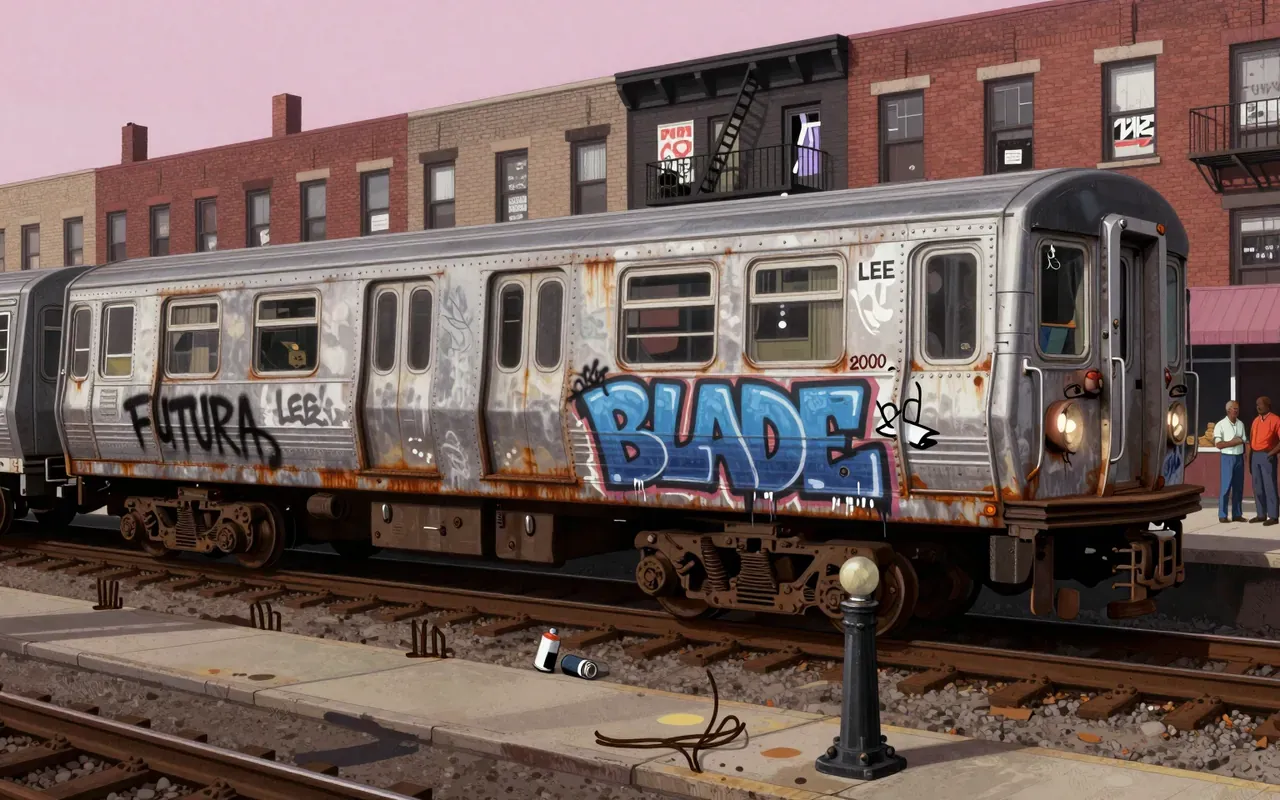
It began in the New York City subway system and Philadelphia in the early 1970s. Tags were the first form of stylised contemporary graffiti, starting with artists like TAKI 183 and Cornbread.

What it gets right

It asserts presence without invitation. It uses speed, repetition and scale to turn infrastructure into a broadcast medium.

What it gets wrong

It is routinely mislabelled as street art. Murals are often permitted. Graffiti is not.

Why it matters now

It remains the most widespread, unmediated form of public text—visible, unsanctioned, and legally precarious—amid rising surveillance and privatisation of urban space.

Is it worth your time

Yes—if you want to understand how public space, permission and authorship collide. No—if you expect a coherent movement or unified aesthetic.
Same beat · Subcultures4 of 39
Up next in Culture

Green tea

· 10:09

Green tea is not medicine — it’s a culturally persistent placebo with documented harms.

10:09