9:24in productionCh. 1 · Not New York’s Met/ 9:24 · ceiling 15 min
Cities · The arts
Metropolitan Opera House (Philadelphia)
A Philadelphia opera house renamed by New York, used for everything except opera for most of its life—and now sold as 'The Met'.
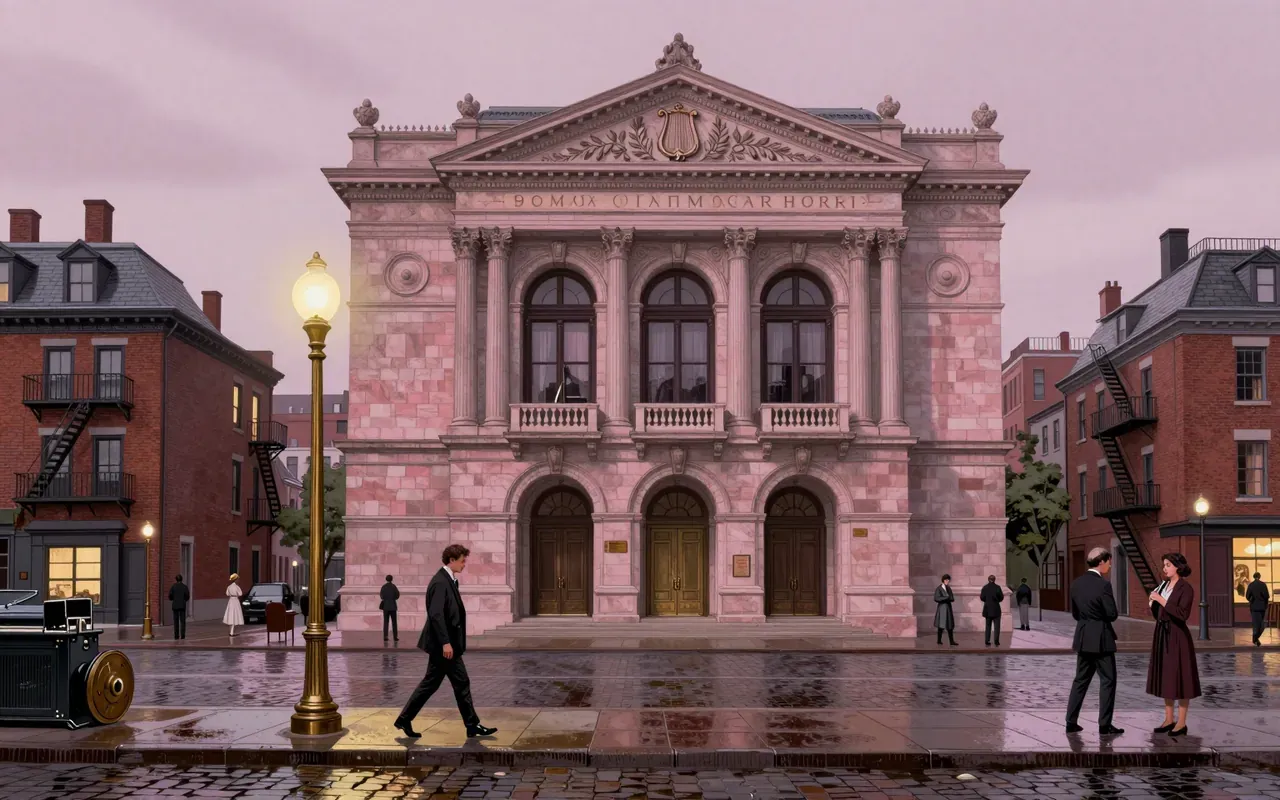
The Metropolitan Opera House (Philadelphia) is a 1908 building originally built by Oscar Hammerstein I as the home of his Philadelphia Opera Company. It was sold to New York’s Metropolitan Opera in 1910 and used by them through the 1920s. After that, it served as a movie theatre, ballroom, sports venue, mechanic training centre, church, and—since December 2018—a Live Nation pop concert venue. It was listed on the National Register of Historic Places in 1972. In 1988 it fell into disrepair and disuse; in 1995 it became the Holy Ghost Headquarters Revival Center at the Met.
It was Oscar Hammerstein I’s ninth opera house—and built for Philadelphia, not New York.
2:28
Ten Years, Then Gone
New York’s Metropolitan Opera owned it for just over a decade—and used it through the 1920s.
4:00
Everything But Opera
For eight decades it hosted movies, boxing, church services—and sat abandoned for years.
5:15
Now It’s a Concert Hall
Since December 2018, it has been a Live Nation pop concert venue.
Worth your time?
Yes. Study the whole thing.
3.5/ 5
What works
as a case study in adaptive reuse
as evidence of shifting cultural patronage
What does not
influence
define
launch
represent
Study it if
urban planners
cultural historians
live music audiences
Skip it if
opera purists
Hammerstein scholars
The written brief1 min read
What the thing is
A 1908 opera house in Philadelphia, now a Live Nation pop concert venue.
Where it came from
Oscar Hammerstein I built it as his ninth opera house and home for his Philadelphia Opera Company.
What it gets right
It preserves a grand 1908 auditorium shell. Its survival through eight decades of adaptive reuse proves architectural resilience is less about fidelity and more about functional elasticity.
What it gets wrong
It markets itself as ‘The Met’—a name borrowed from New York’s opera company—but that association lasted only through the 1920s. The branding obscures its Philadelphia roots and decades of non-opera life.
Why it matters now
It exemplifies how historic performance spaces are stripped of their original purpose, then rebranded for mass-market entertainment—without confronting who was displaced or what was erased in the process.
Is it worth your time
Yes—if you care about how American cities repurpose cultural infrastructure, not as nostalgia but as contested real estate.