What the thing is
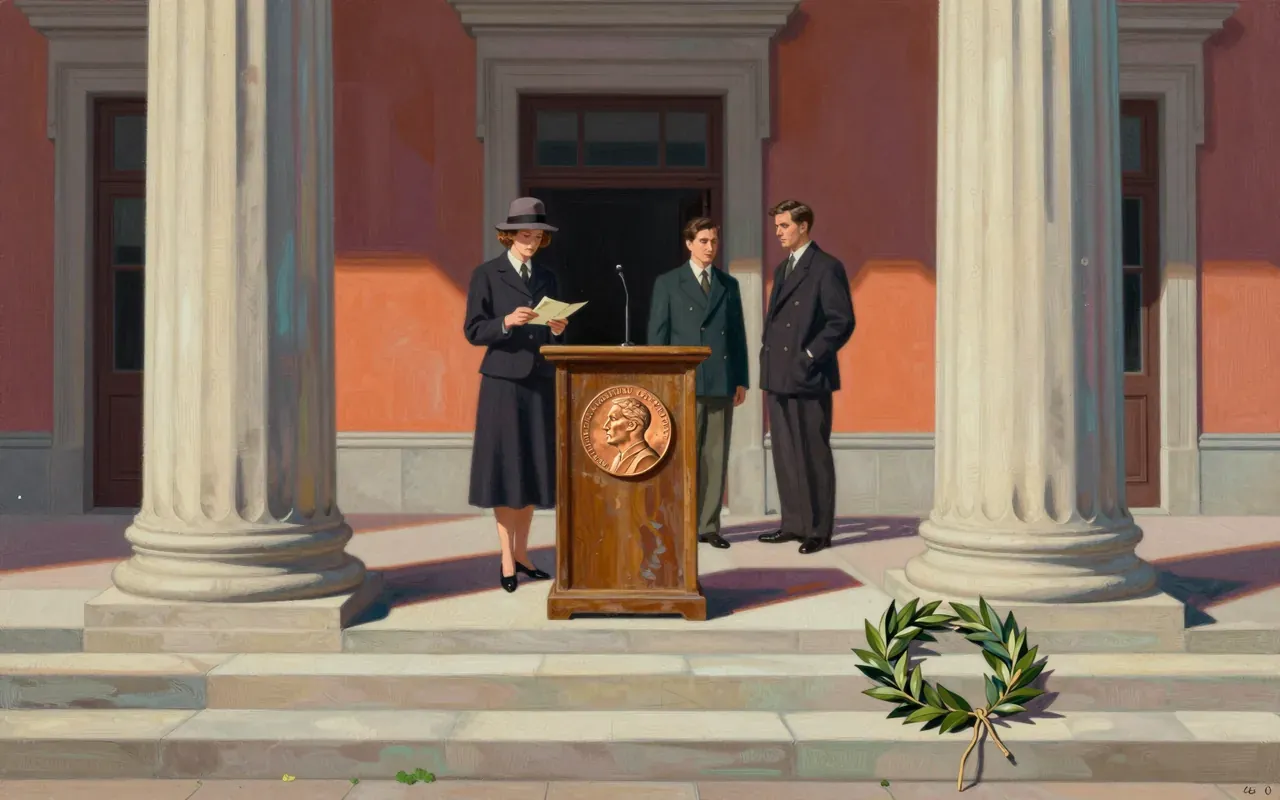
An annual prize for living architects, judged by a private jury, awarded solely on built work’s demonstration of talent, vision, and commitment. The jury consists of five to nine recognized professionals in fields including architecture, business, education, publishing and culture. It deliberates and announces the winner early the following year. The prize’s executive director solicits nominations from past laureates, academics, critics and others with expertise and interest in architecture.
Where it came from
Founded in 1979 by Jay A. Pritzker and Cindy Pritzker, funded by the Pritzker family, administered by the Hyatt Foundation. Zaha Hadid, the 2004 laureate, was the first woman to win.
What it gets right
It rewards built work, not theory or reputation. It accepts self-nomination. It explicitly excludes nationality, race, creed, and ideology from judgment. Any licensed architect can apply personally before November 1 each year, and Gordon Bunshaft nominated himself in 1988 and eventually won.
What it gets wrong
It operates without transparency: no published jury reasoning, no shortlist, no explanation of why one architect wins over another.
Why it matters now
It still sets the global benchmark for architectural legitimacy — yet its criteria, process, and influence remain unexamined by the public it claims to serve.
Is it worth your time
Yes — if you care how architecture’s value is certified, who gets to define it, and why that process remains closed to public scrutiny.