What the thing is
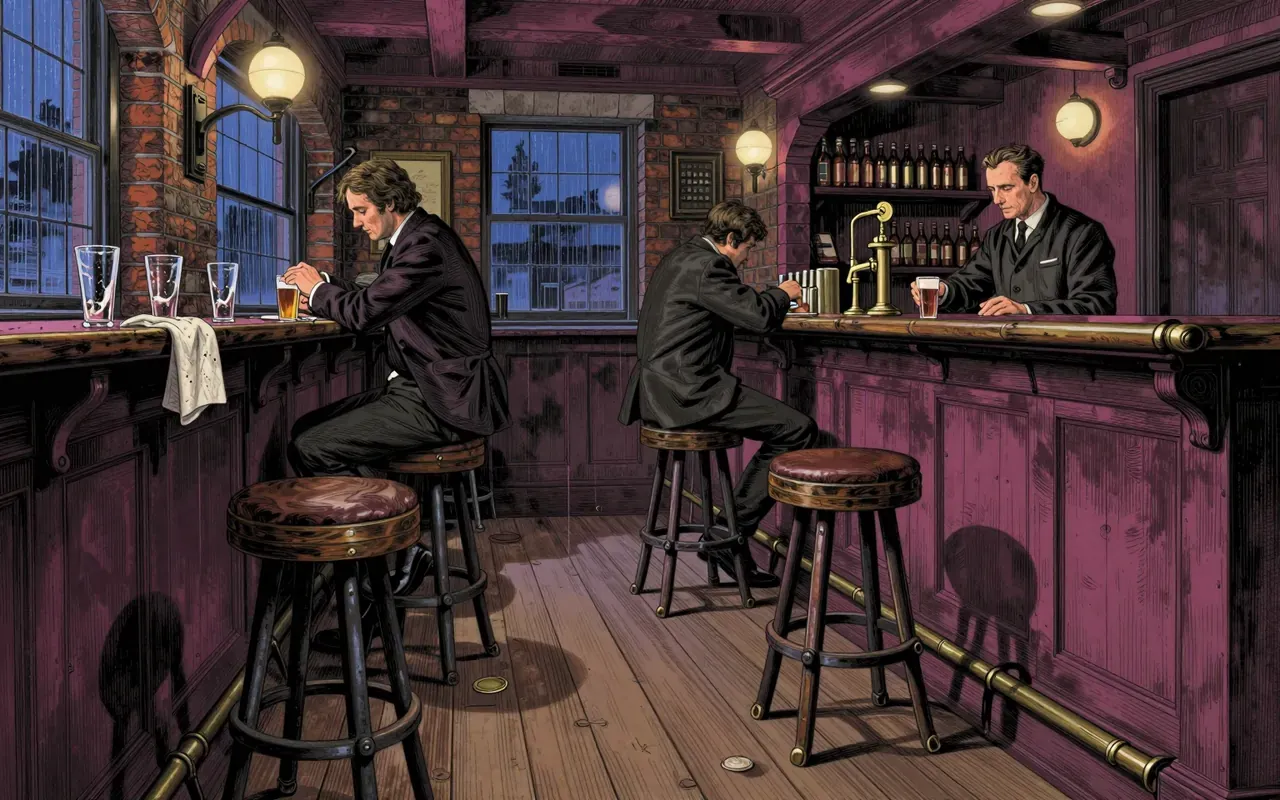
Nightlife is entertainment available and generally more popular from the late evening into the early hours of the morning. It includes pubs, bars, nightclubs, parties, live music, concerts, cabarets, theatre, cinemas and shows. People who prefer to be active during the night-time are called night owls.
Where it came from
Nightlife emerged in 17th- and 18th-century Europe, enabled by artificial lighting and adopted first by royal and upper classes—after millennia when darkness and agricultural labour made night activity rare. Larger ancient cities, such as Rome, had a reputation for danger at night.
What it gets right
Nightlife names a real temporal and social boundary: late evening to early morning. It correctly identifies adult orientation, cover charges, and venue types like pubs, clubs, and live music as defining features.
What it gets wrong
It wrongly implies nightlife is a unified phenomenon. The document lists diverse forms—cinemas, theatre, cabarets—but treats them as interchangeable under one label, erasing their distinct rhythms, audiences, and regulatory logics.
Why it matters now
Because digital platforms and generational demand are reshaping it—and because its regulation in Australia, the UK, and the US reveals how states manage risk, inequality, and public time.
Is it worth your time
Yes—if you care how cities regulate human rhythm, or how inequality persists in spaces meant for release.