9:05in productionCh. 1 · A Diagnosis, Not a Daydream/ 9:05 · ceiling 15 min
Ideas · Society
Nostalgia
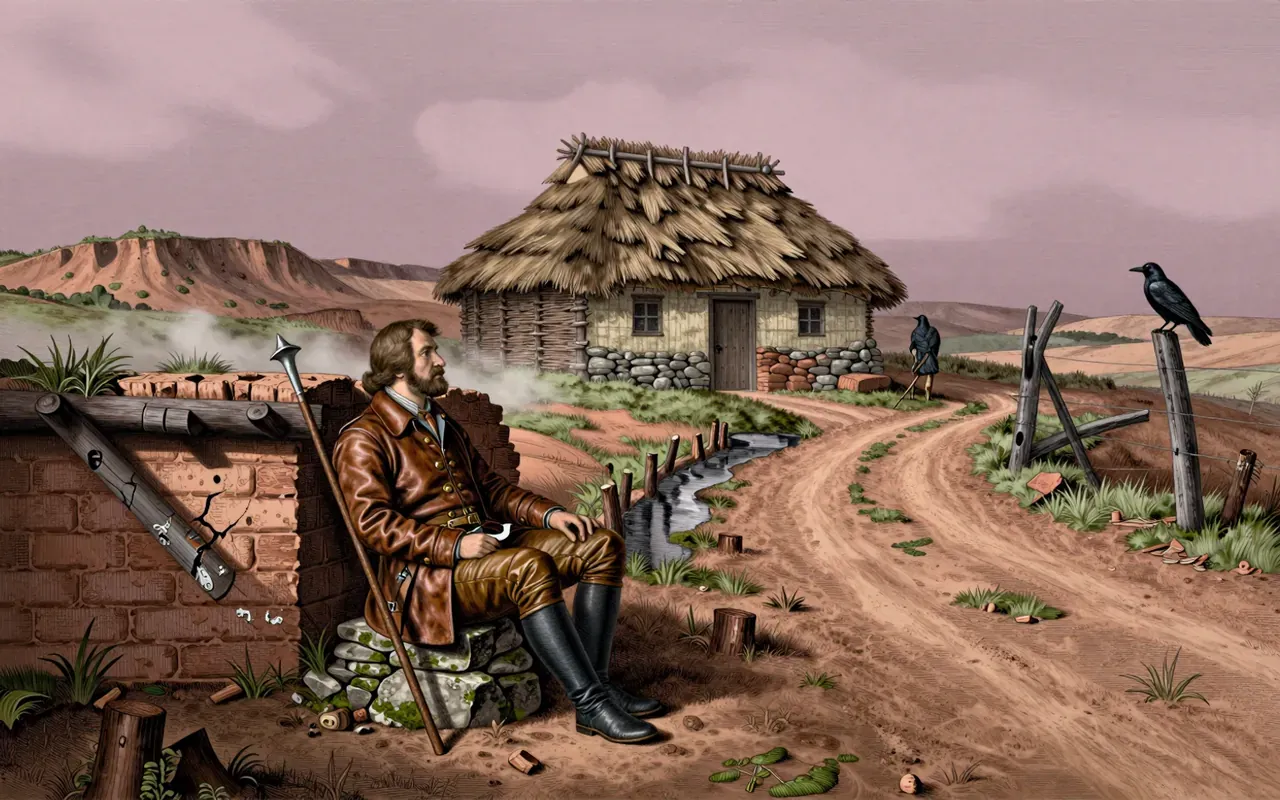
Nostalgia wasn’t about the past—it was about soldiers dying from homesickness.
Nostalgia is not a soft emotion. It began as a lethal diagnosis for displaced soldiers—and only later became a tool for selling products, framing politics, and narrating personal history. Its evolution reveals how medical categories get repurposed as cultural shorthand—and how easily we forget what they once measured.
Nostalgia began as a clinical term for Swiss mercenaries’ fatal homesickness—not wistfulness for yesteryear.
2:24
From Battlefield to Bookshelf
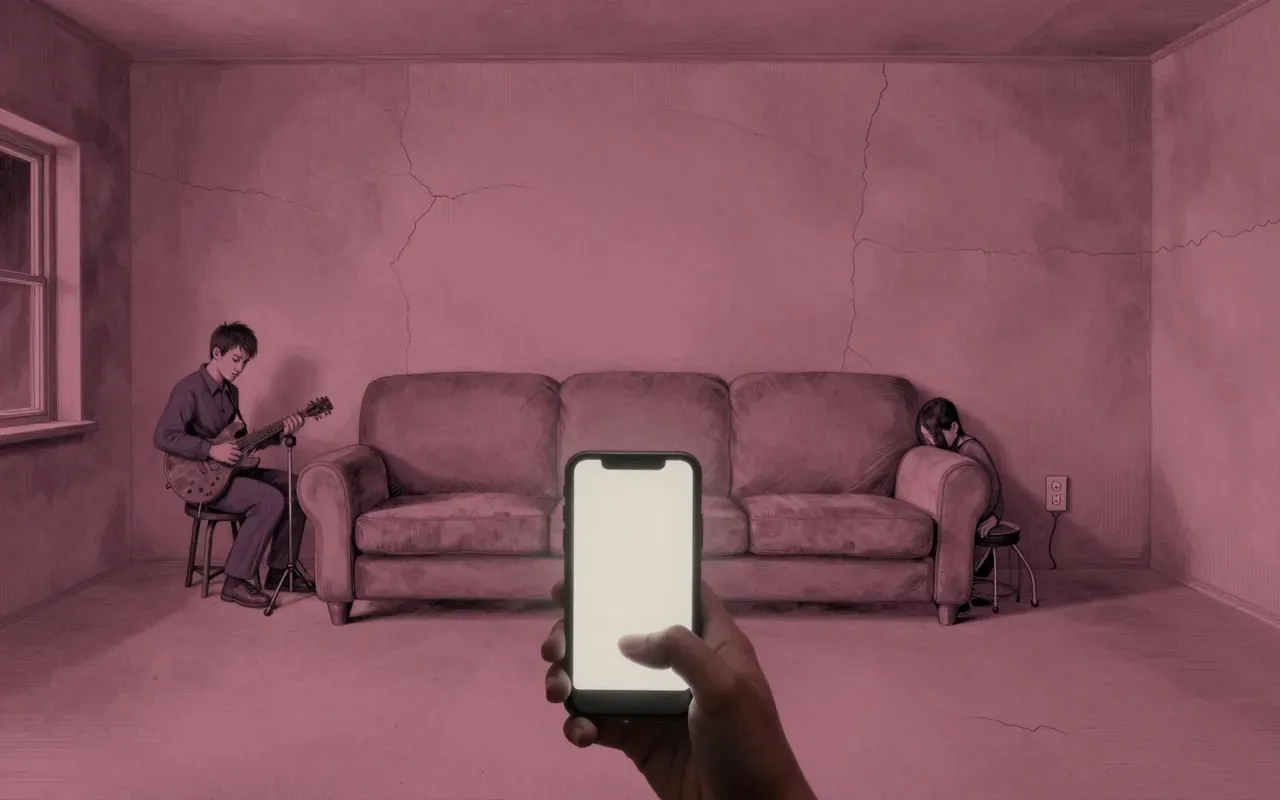
It shifted from a deadly medical condition to a Romantic trope—detaching pain from place and attaching it to time.
3:59
The Medical Exit
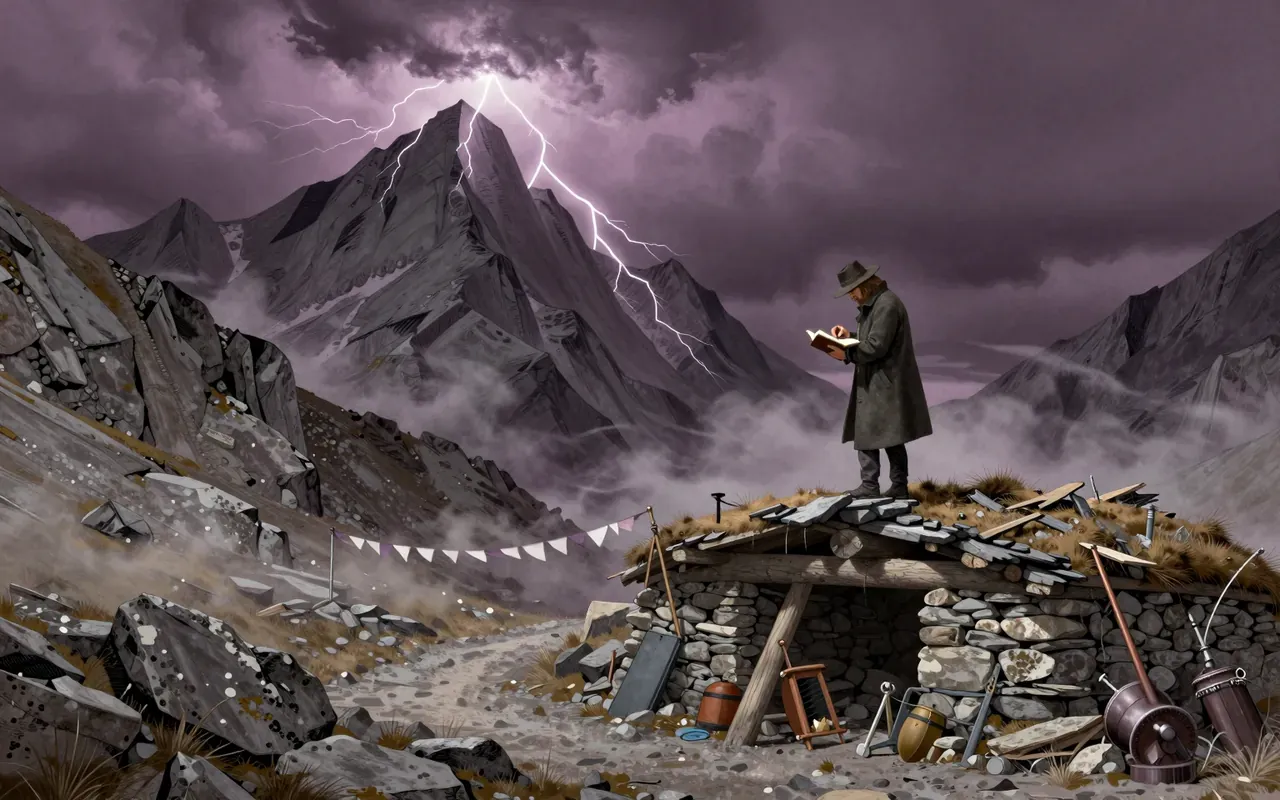
By the 1870s, doctors abandoned it—but psychologists revived it, stripping away its spatial urgency and rebranding it as universal emotion.
5:30
The Lost Geography
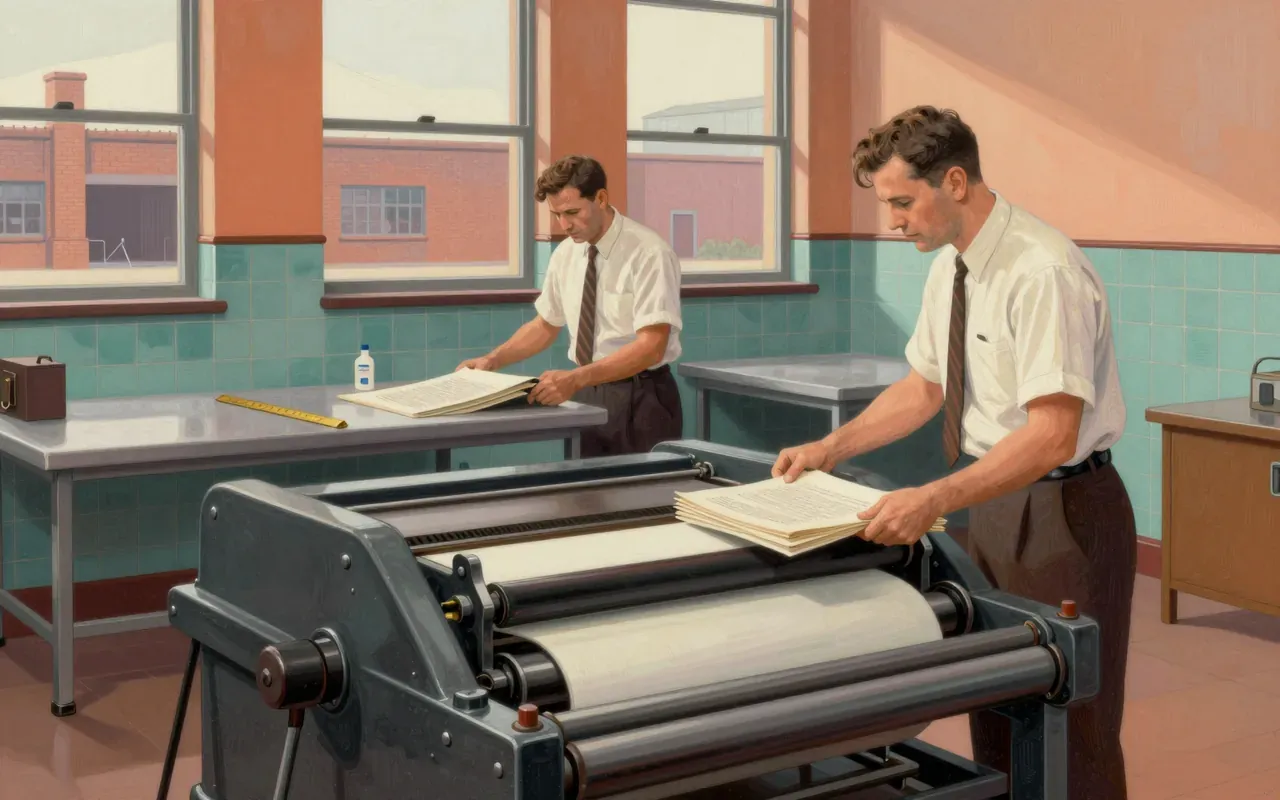
Today’s nostalgia is defined by longing for the past—but that definition erases its original meaning: longing for home.
Worth your time?
Yes. Study the whole thing.
4.5/ 5
What works
as a diagnostic category
as a Romantic literary device
as a modern psychological construct
What does not
culture/literature
culture/movements-and-scenes
Study it if
readers interested in the hidden histories of everyday words
critics tracking how medical language migrates into culture
anyone suspicious of sentimental appeals to the past
Skip it if
those seeking validation of nostalgic media consumption
fans of retro aesthetics without historical context
The written brief1 min read
What the thing is
Nostalgia is an emotion: a bittersweet longing for the past, typically tied to happy memories or idealised times.
Where it came from
It was coined in 1688 by Johannes Hofer, a 17th-century medical student, to diagnose homesickness in Swiss mercenaries—rooted in Greek words for ‘homecoming’ (nóstos) and ‘pain’ (álgos).
What it gets right
It captures the bittersweet tension between memory and loss. It names a real emotional response to displacement, separation, and time’s passage.
What it gets wrong
It conflates longing for home with longing for the past. The original condition had no temporal dimension—it was spatial, acute, and life-threatening.
Why it matters now
Because it underwrites much of contemporary culture—from marketing to politics—while obscuring its origins as a pathologised reaction to forced mobility and military service.
Is it worth your time
Yes—if you want to understand how a medical diagnosis for Swiss mercenaries became a psychological lens for modern identity.