9:06in productionCh. 1 · The D.C. Split/ 9:06 · ceiling 15 min
Subcultures · Movements & scenes
Emo
1984
Emo didn’t soften hardcore—it split it open from the inside.
Emo is a post-hardcore genre rooted in mid-1980s Washington, D.C., combining hardcore punk instrumentation with emotionally confessional lyrics. Pioneered by Rites of Spring and Embrace, it was reinvented by Maryland bands Moss Icon and the Hated, then adopted across alternative, indie, and pop-punk scenes in the early-to-mid 1990s. By the mid-1990s, Midwest emo bands—including Braid and the Promise Ring—emerged alongside screamo, pioneered by San Diego bands Heroin and Antioch Arrow. Emo remains a formal and ideological pivot point: where punk’s outward fury met inward articulation.
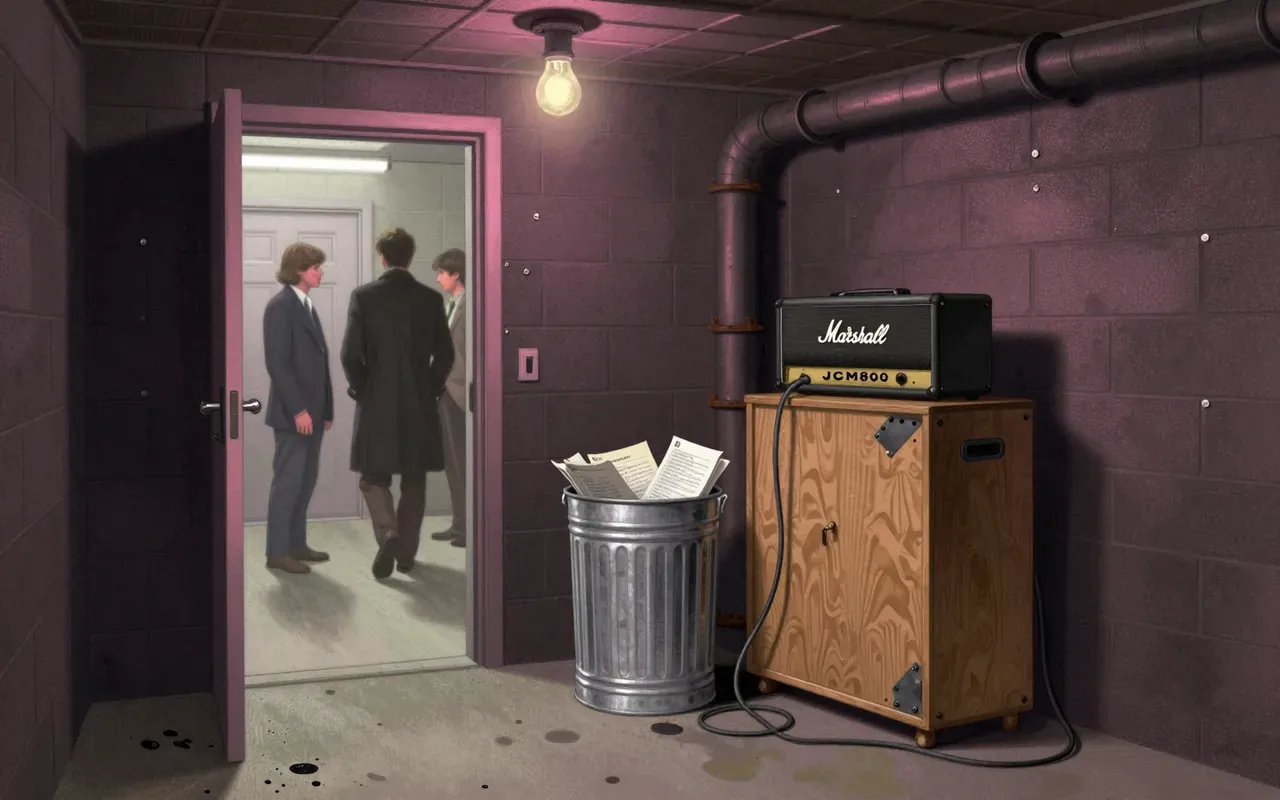
Emo began not as a genre but as a corrective: hardcore punk with feeling, forged in Washington, D.C., by Rites of Spring and Embrace.
2:03
The Maryland Shift
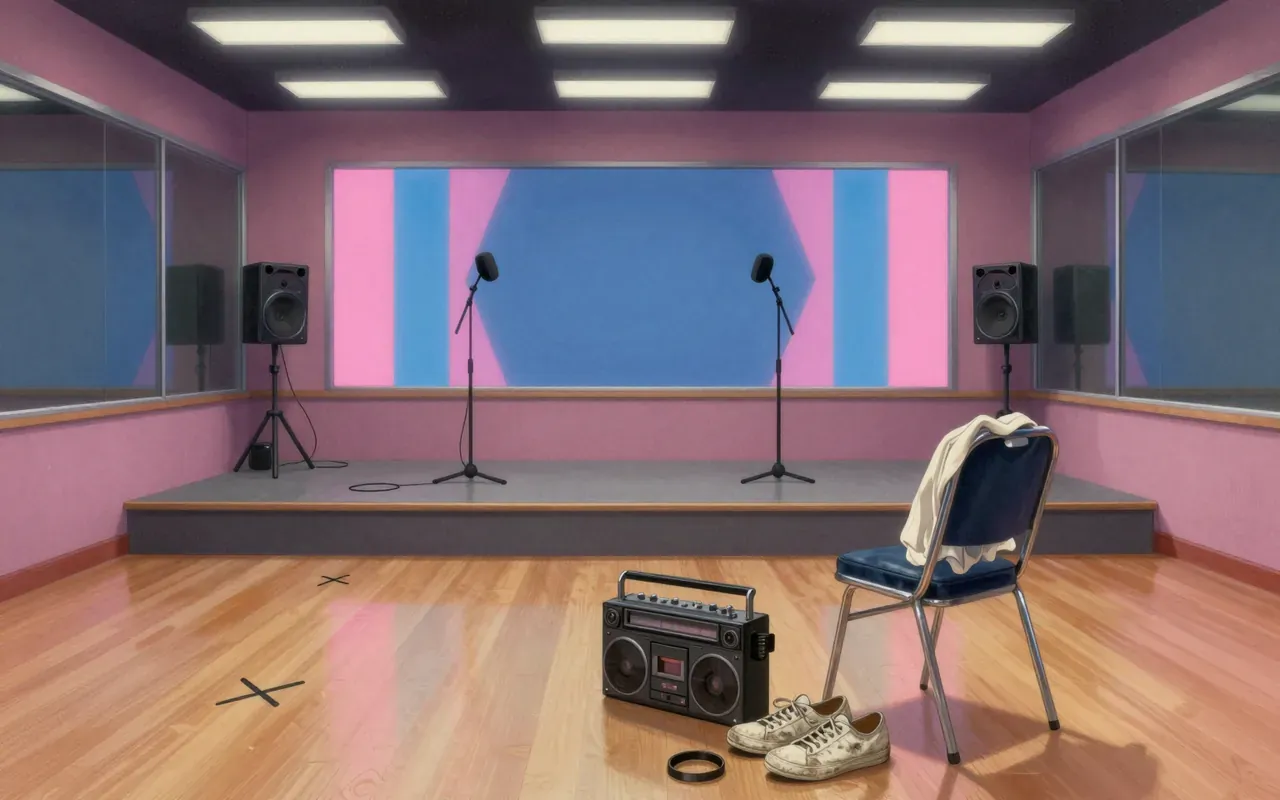
Maryland bands Moss Icon and the Hated stripped away punk’s rigidity, making emo less about tempo and more about texture.
3:18
The Indie Migration
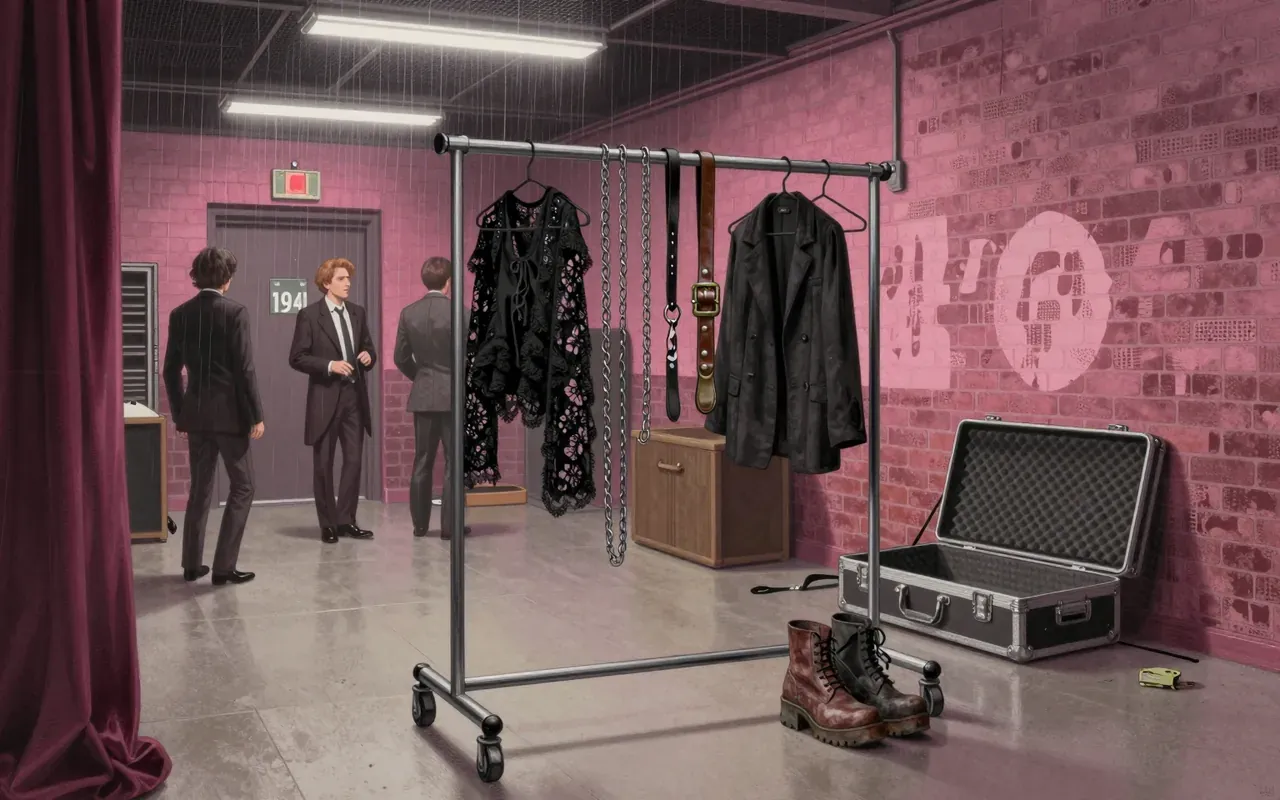
By the mid-1990s, emo had migrated from basement shows to indie labels—and from confessionals to codified styles like Midwest emo.
5:34
The Screamo Fork
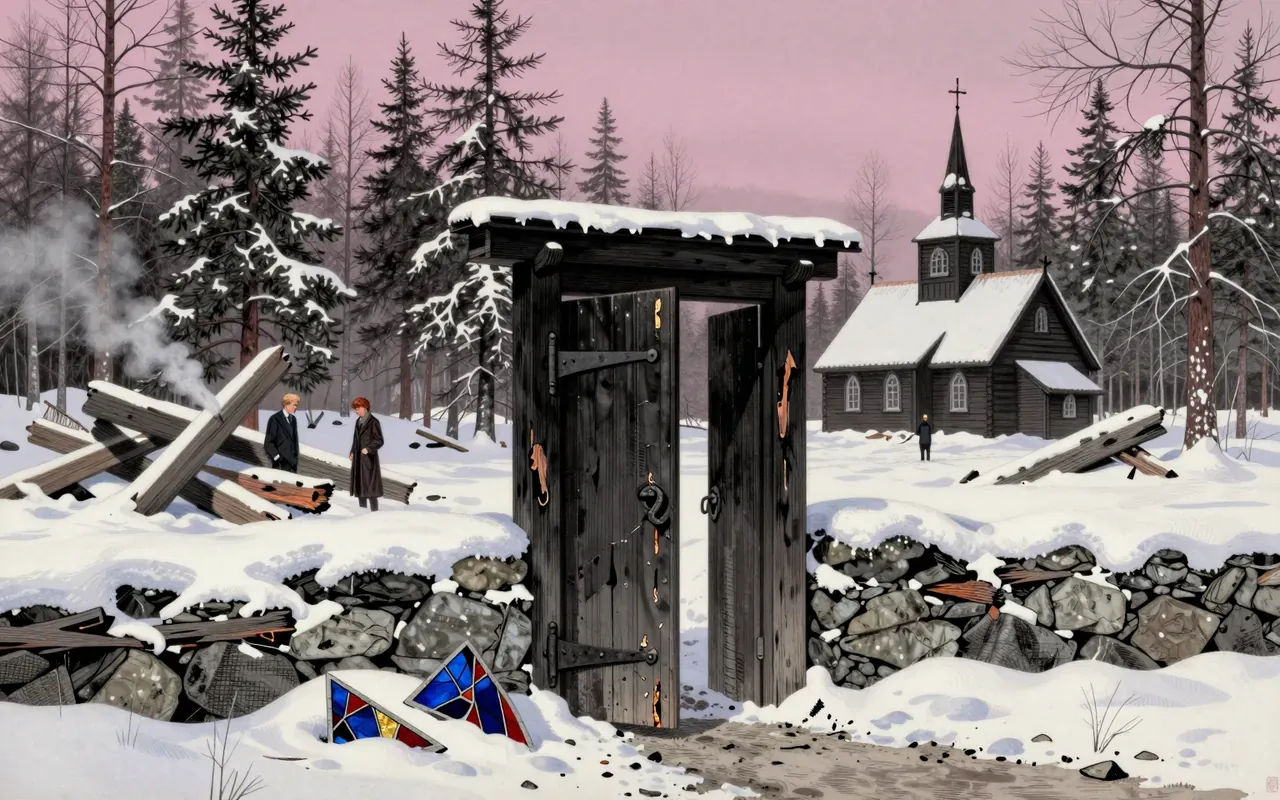
Screamo wasn’t an evolution—it was a divergence: Heroin and Antioch Arrow used screamed vocals to reclaim emo’s physical stakes.
Worth your time?
Yes. Study the whole thing.
4/ 5
What works
as a structural intervention in punk
as a template for emotional directness in rock
as evidence that subgenres can emerge from ethical disagreement—not just sound
What does not
define a decade
influence named artists beyond those cited
displace mainstream rock
achieve commercial dominance
Study it if
listeners who value lyrical precision over sonic polish
musicians working at the intersection of punk and introspection
historians of underground American rock
Skip it if
those seeking stylistic consistency
fans of purely melodic or purely aggressive music
The written brief1 min read
What the thing is
Emo is a post-hardcore genre defined by confessional lyrics and hardcore punk instrumentation.
Where it came from
It emerged from the mid-1980s Washington, D.C. hardcore scene as ‘emotional hardcore’ (emocore), pioneered by Rites of Spring and Embrace.
What it gets right
It foregrounds emotional honesty in a scene built on speed and volume. It treats vulnerability as musical material, not weakness.
What it gets wrong
It never resolved the tension between its hardcore origins and its lyrical intimacy—leaving later bands to choose sides: punk energy or confessional tone.
Why it matters now
It established that intensity need not mean aggression—that volume and velocity could serve interiority, not just revolt.
Is it worth your time
Yes—if you want to understand how hardcore punk fractured into introspection, not just aggression.