8:58in productionCh. 1 · What it is/ 8:58 · ceiling 15 min
Subcultures · Movements & scenes
Black metal
1985
Black metal isn’t music—it’s a litmus test for how far extremity can go before ideology becomes arson.
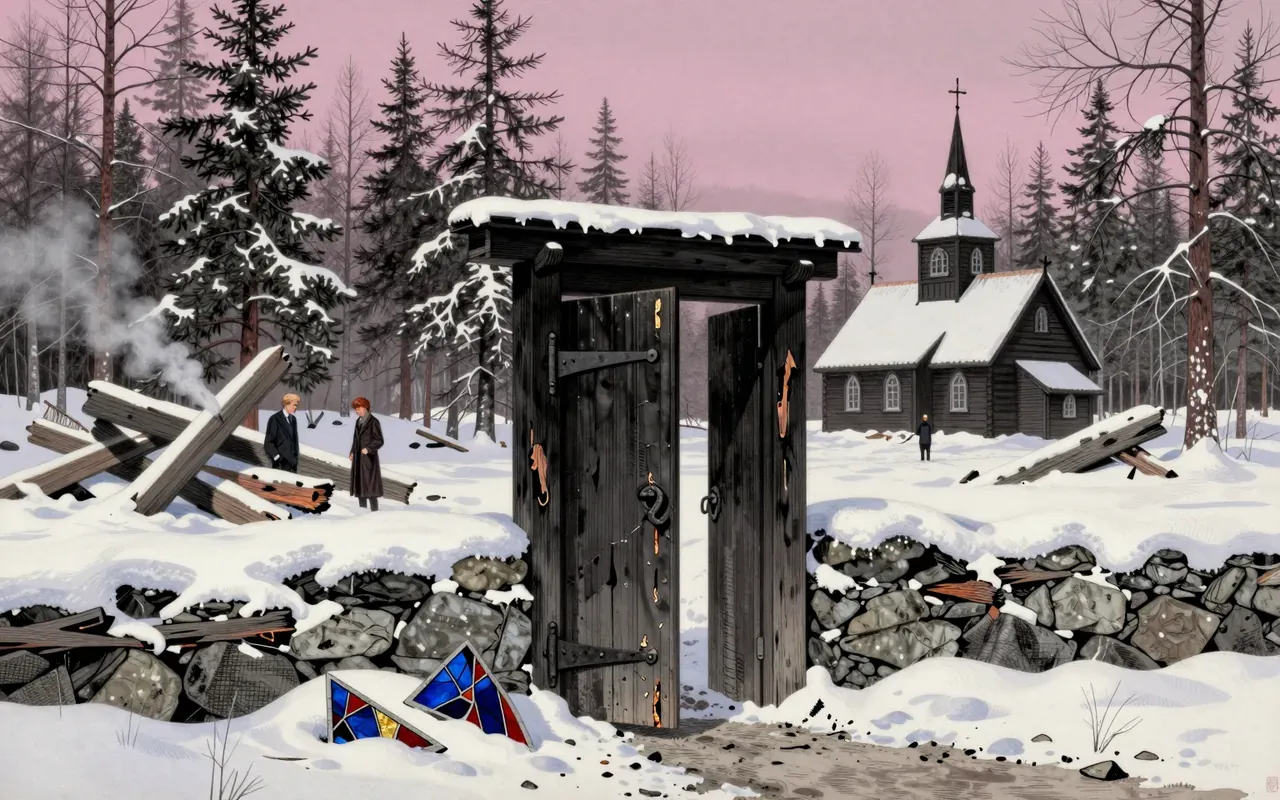
Black metal is an extreme subgenre of heavy metal music. It began in England in 1982 with Venom’s album Black Metal. The first wave declined by 1987—but influential works followed from bands across Hungary, Brazil, Canada, Sweden and Greece. The Norwegian scene (1991–1997) defined it as a distinct genre—and inspired parallel scenes in Finland, Sweden, the US, France, Japan and England. Its lyrical themes—misanthropy, anti-Christianity, Satanism, ethnic paganism—are central, not decorative. In the 1990s, members of the scene committed church burnings and murders. A small neo-Nazi movement emerged—but was shunned by many prominent artists.
Black metal is not a style or mood—it is an extreme subgenre of heavy metal music.
2:14
Where it came from
It began in England in 1982, declined by 1987, then re-emerged as a distinct genre through Norway’s underground scene—and spread to Finland, Sweden, the US, France, Japan and England.
3:23
What it says
Its lyrical themes—misanthropy, anti-Christianity, Satanism, ethnic paganism—are central, not decorative.
4:20
What it did
In the 1990s, members of the scene committed church burnings and murders.
5:14
What it failed to purge
A small neo-Nazi movement emerged—but was shunned by many prominent artists.
Worth your time?
Yes. Study the whole thing.
3.5/ 5
What works
Venom's Black Metal (1982)
Mayhem
Darkthrone
Burzum
What does not
iconic
timeless
groundbreaking
masterpiece
Study it if
listeners who treat extremity as a diagnostic tool—not a thrill
Skip it if
those seeking technical virtuosity or redemptive narratives
The written brief1 min read
What the thing is
Black metal is an extreme subgenre of heavy metal music.
Where it came from
It originated in England in 1982 with Venom’s album Black Metal. The first wave declined by 1987, but influential works followed from bands across Hungary, Brazil, Canada, Sweden and Greece. The Norwegian scene (1991–1997) defined it as a distinct genre.
What it gets right
It establishes extremity as an aesthetic and ethical principle. Lo-fi production, shrieking vocals and blast beats reject polish and accessibility. Its anti-Christian and pagan themes are explicit, not metaphorical.
What it gets wrong
It conflates misanthropy with authenticity. The genre’s insistence on ideological purity enabled a small neo-Nazi faction—even though that faction was shunned by prominent artists, its presence was tolerated long enough to stain the scene’s legacy.
Why it matters now
It shows how digital-era subcultures inherit and reinterpret pre-internet logics of secrecy, authenticity and territoriality—without the infrastructure to contain their ideological spillage.
Is it worth your time
Yes—if you want to understand how underground music can fuse ideology, aesthetics and real-world violence without needing mainstream validation.