What the thing is
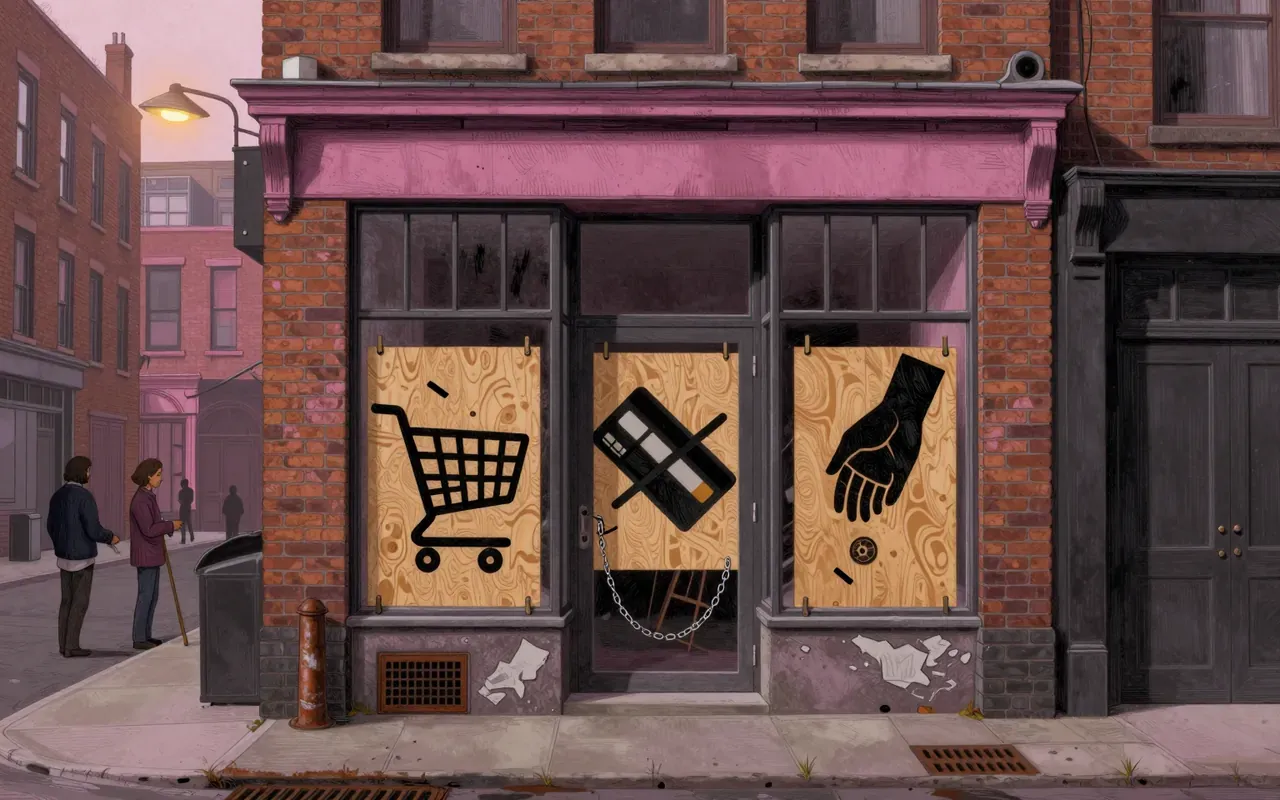
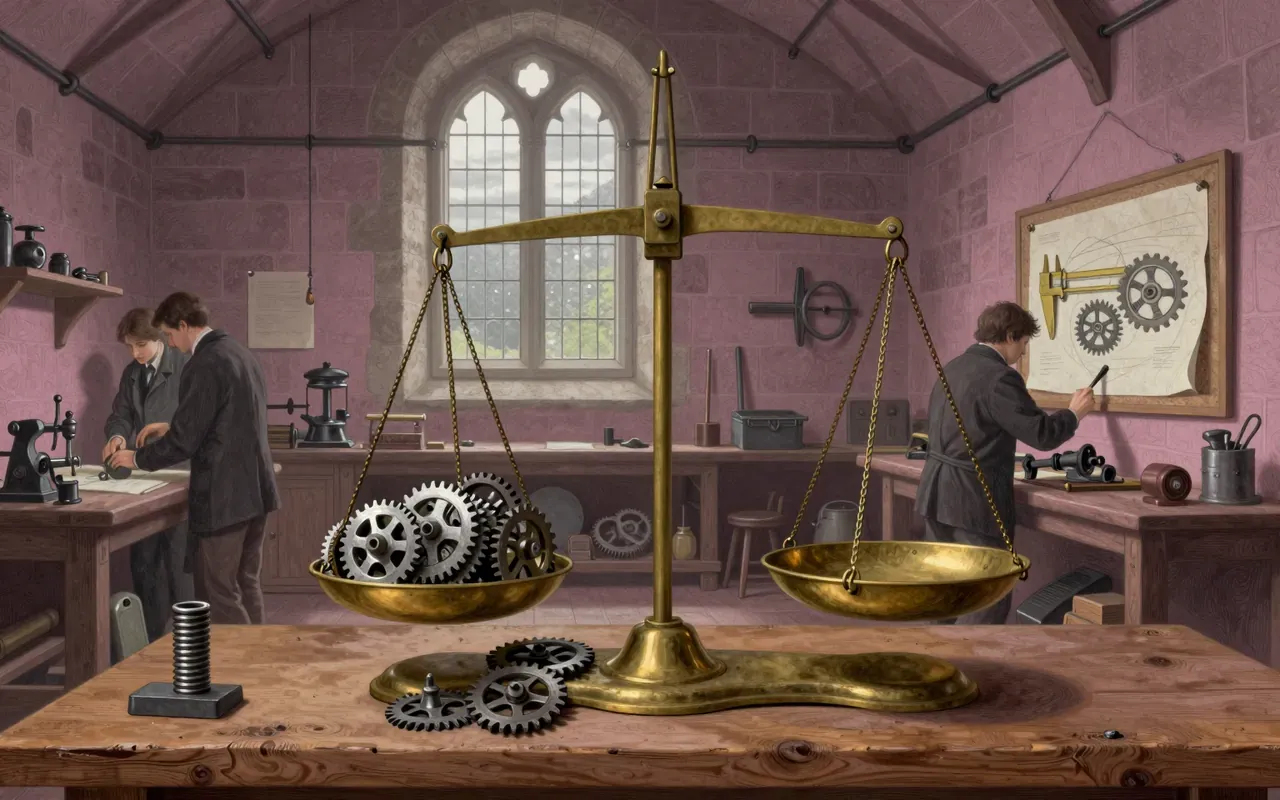
Anomie is a sociological concept describing mismatch—not absence—of norms between individuals or groups and wider society.
Where it came from
Durkheim introduced it in The Division of Labour in Society (1893) to describe guild-society misfit, then popularised it in Suicide (1897) as ‘derangement’, ‘an insatiable will’, and ‘the malady of the infinite’.
What it gets right
It names a real condition: not chaos, but misalignment. When personal ambition outpaces social scaffolding, or when rigid rules suffocate legitimate aspiration, anomie is the friction.
What it gets wrong
It mistakes structural tension for pathology. A society with ‘too much rigidity’ can produce anomie just as easily as one with ‘moral deregulation’—yet the concept still implies breakdown rather than design.
Why it matters now
Because platforms, labour markets, and education systems now routinely generate normative mismatches: gig workers held to corporate standards without rights; graduates trained for jobs that no longer exist; algorithms enforcing norms no human designed.
Is it worth your time
Yes—if you are trying to name the unease of mismatched expectations in a world that demands both conformity and self-actualisation.