What the thing is
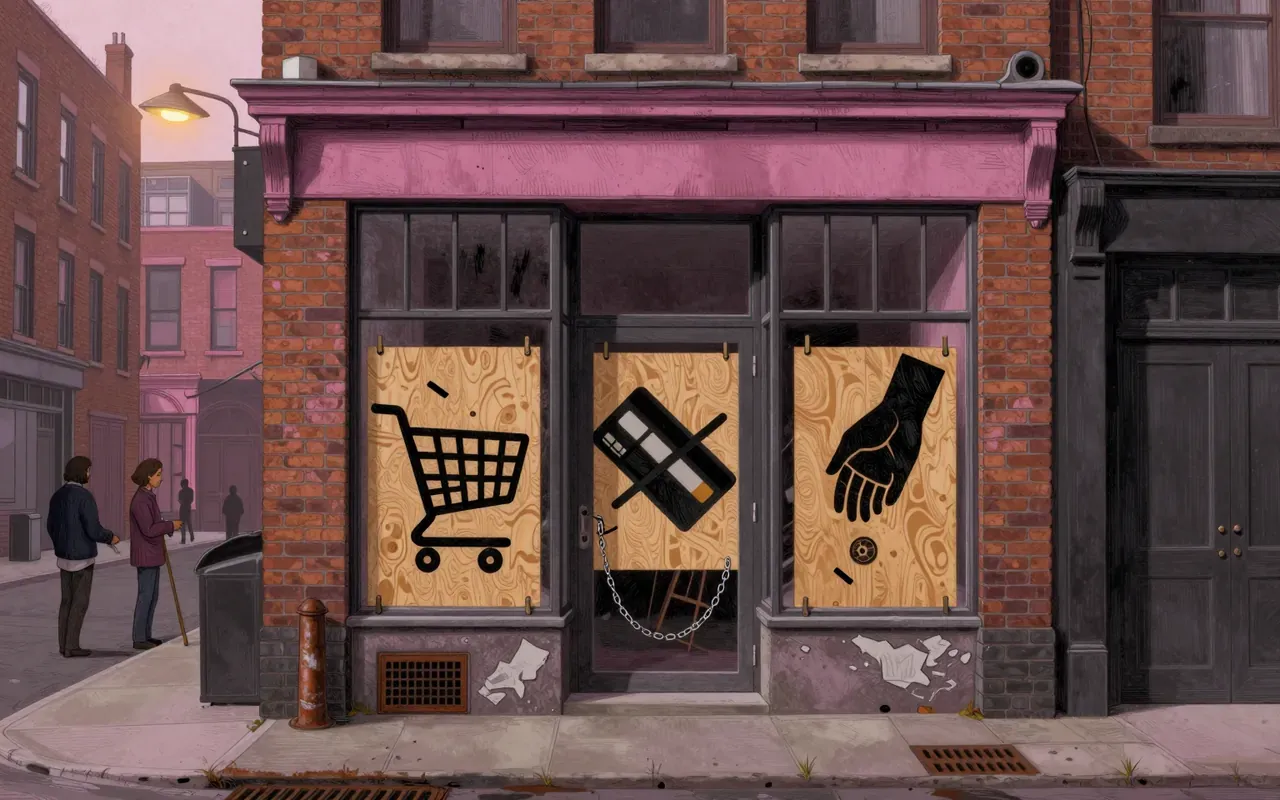
Anti-consumerism is a sociopolitical ideology. It intentionally excludes or reduces consumption. It opposes consumerism as a social and economic order.
Where it came from
It originated in criticism of consumption, beginning with Thorstein Veblen’s 1899 work. Modern political form emerged in the 2000s.
What it gets right
It correctly identifies consumerism as a social and economic order—not just bad habits. It links consumption to environmental damage, globalisation’s cultural dominance, and corporate power.
What it gets wrong
It assumes simplicity and internal happiness are universally accessible goals. Studies show its messages fail with teenagers, who lack independence and are saturated by media.
Why it matters now
Because consumption continues to drive ecological breakdown and inequality—and because anti-consumerist tactics (subvertising, protest, reuse) remain live tools in climate and anti-corporate activism.
Is it worth your time
Yes—if you care about the gap between critique and change. It names real harms but rarely shifts consumption at scale.