What the thing is
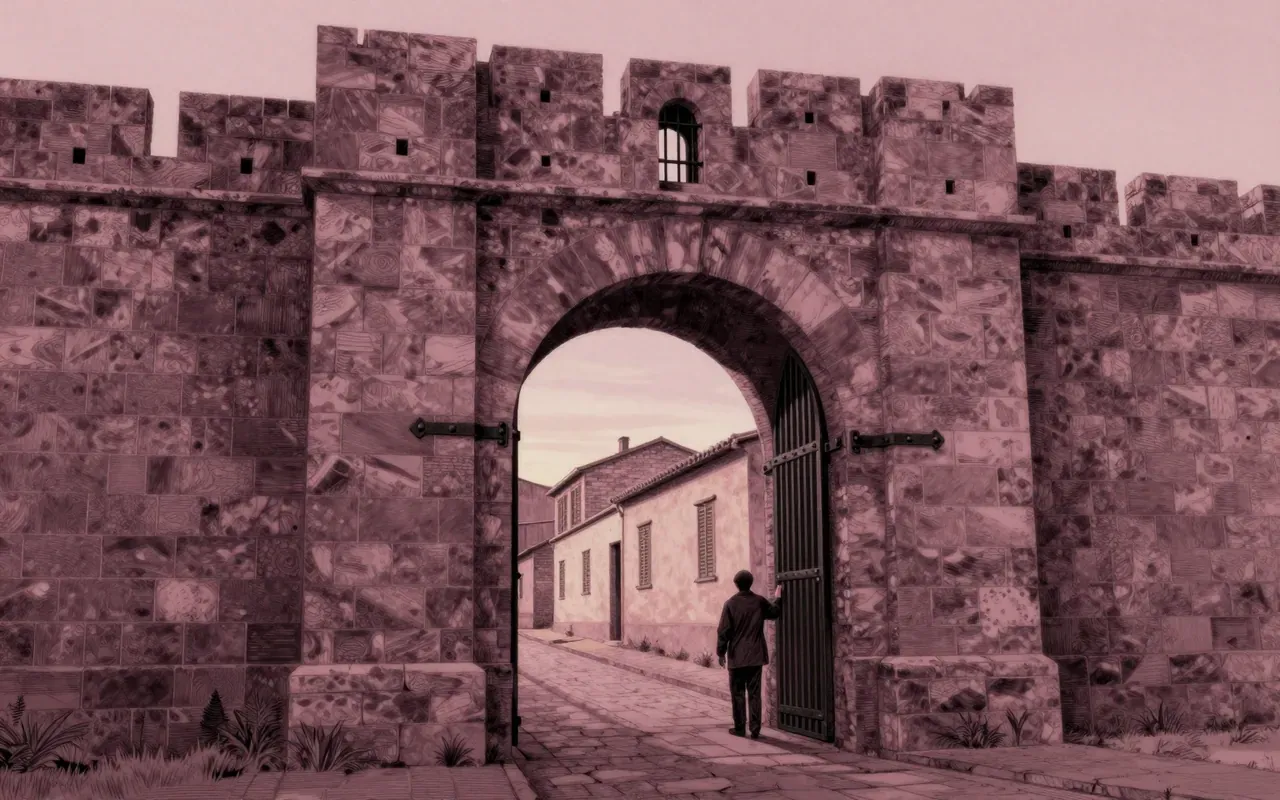
A gatekeeper is a person who controls access—literally (a city gate, a bouncer) or abstractly (status, category, publication).
Where it came from
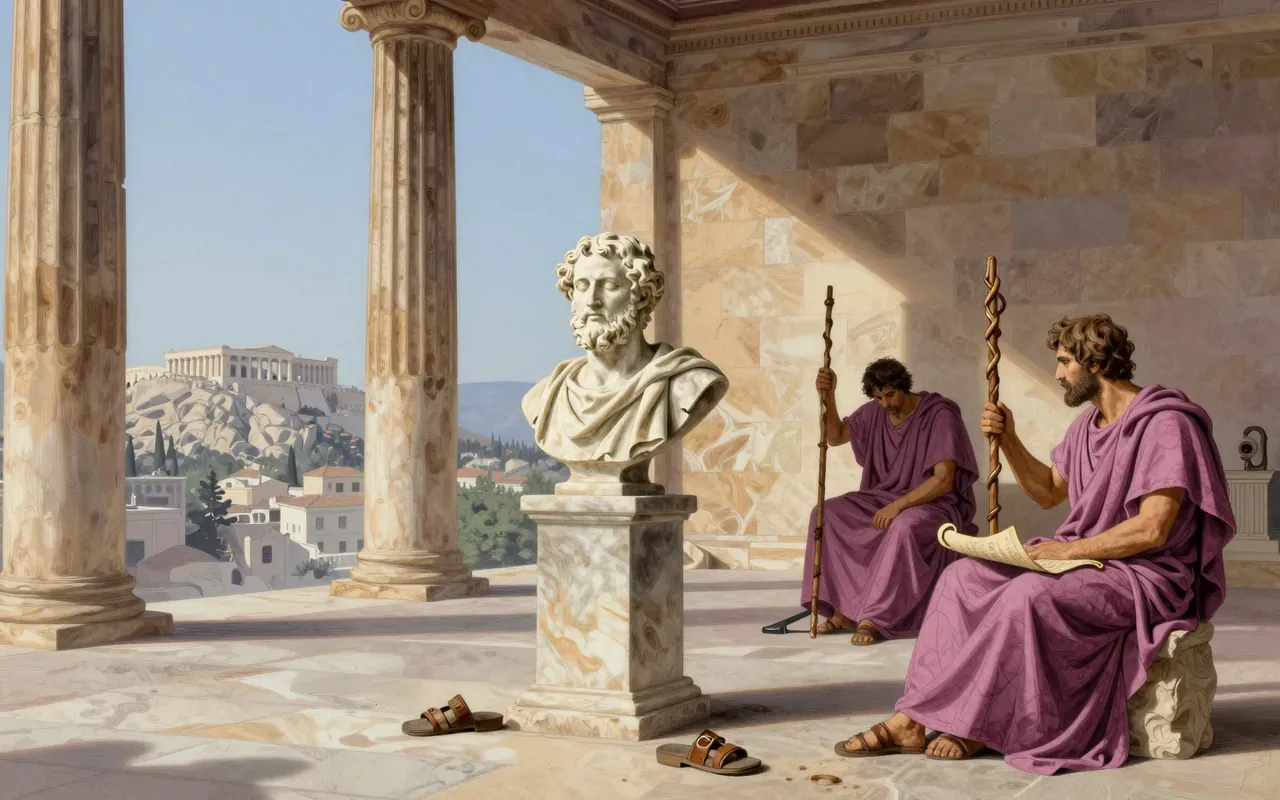
The term began with physical barriers. It entered myth and religion as figures guarding paradisal or infernal realms. It shifted to mass media in the late 20th century.
What it gets right
It names a real, recurring function: control over access. That function operates across city gates, admissions offices, news desks, and peer-reviewed journals.
What it gets wrong
It implies neutrality. The criteria gatekeepers use—race, social class, family connections, religion—are not filters; they are vectors of exclusion.
Why it matters now
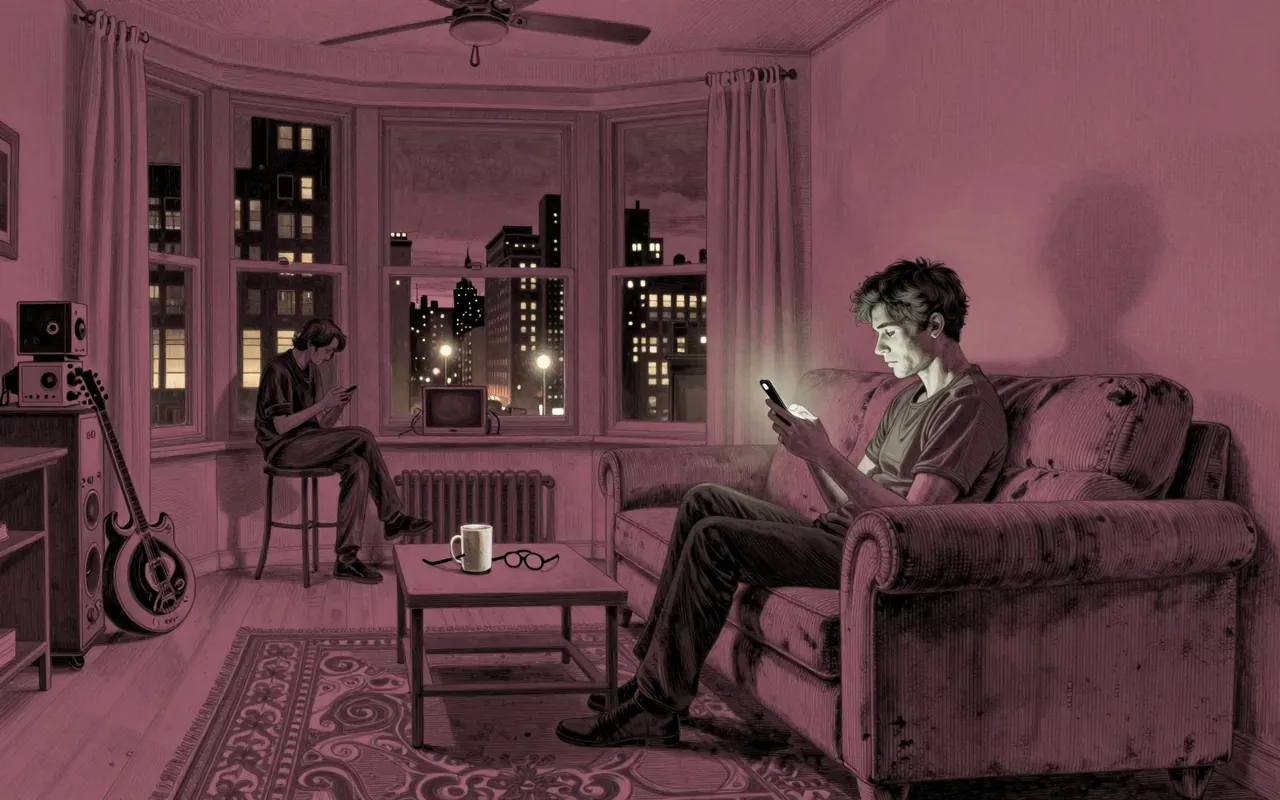
Because gatekeeping is no longer centralised. Algorithms, platforms, and informal networks now distribute its power—and its biases—more widely and less transparently.
Is it worth your time
Yes—if you need to understand who decides what gets seen, heard, or accepted, and why those decisions reproduce inequality.