culturebriefs
9:40in productionCh. 1 · Not a museum at birth/ 9:40 · ceiling 15 min
Art · Cities

Hermitage Museum

1764

The Hermitage was never for the public. It became one—slowly, selectively, and long after it became colossal.

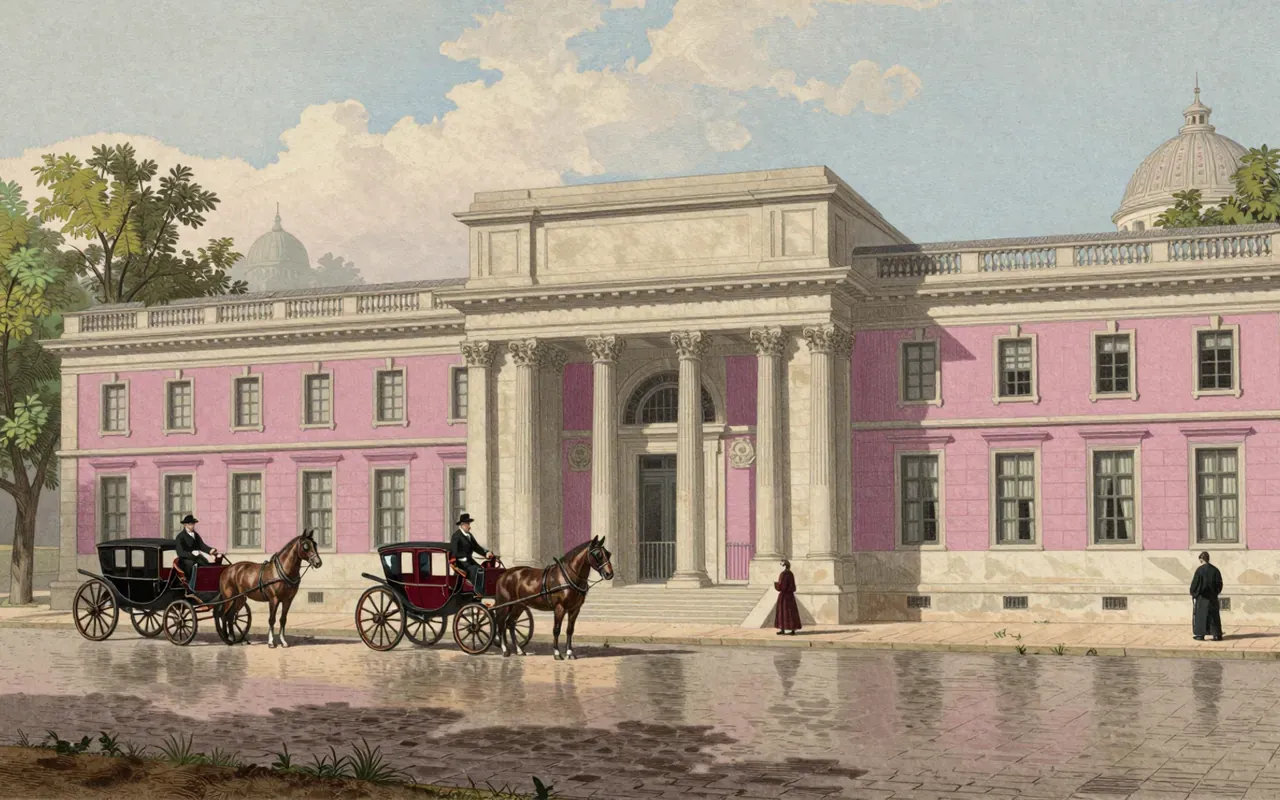
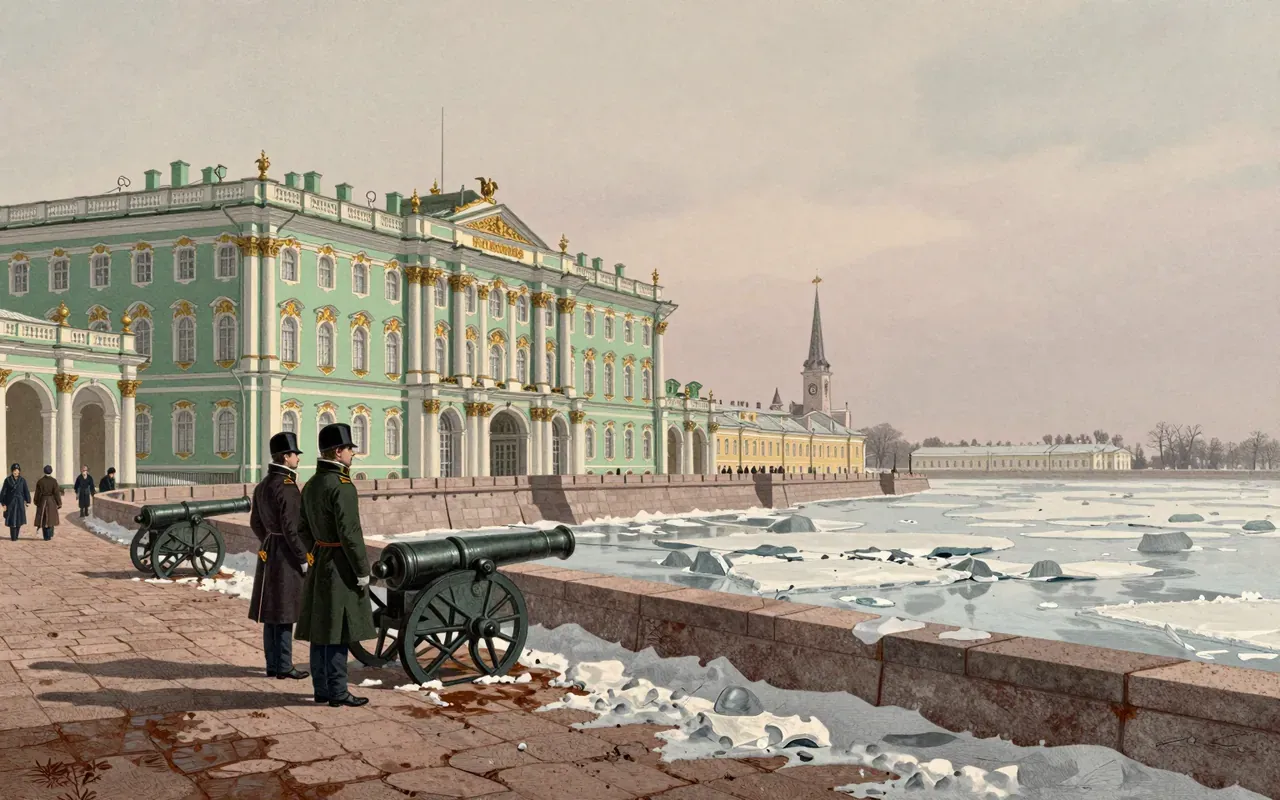
The Hermitage Museum is a state-owned art and culture museum in Saint Petersburg, Russia, founded in 1764 by Empress Catherine the Great through acquisition of a painting collection from Berlin merchant Johann Ernst Gotzkowsky. It holds the world’s largest collection of paintings and over three million items overall, housed across six historic buildings along Palace Embankment—including the Winter Palace—and several additional affiliated sites. It opened to the public in 1852 and ranked 10th among the most visited art museums globally in 2022 with over 2.8 million visitors.

Chapters & takeaways4
  1. 1:08
    Not a museum at birth

    Catherine the Great founded it in 1764—not as a museum, but as a private imperial collection.

  2. 2:42
    Scale built into stone

    It holds the world’s largest painting collection and over three million items across six historic buildings on Palace Embankment.

  3. 4:18
    Public access arrived late

    It opened to the public in 1852—88 years after its founding—making it a latecomer to public museology.

  4. 5:42
    Still growing, still counting

    In 2022 it ranked 10th among the most visited art museums—and its footprint now extends beyond Palace Embankment to include the Menshikov Palace and General Staff Building.

Worth your time?

Yes. Study the whole thing.

4/ 5
What works
  • as-an-archive-of-scale
  • as-a-monument-to-delayed-access
What does not
  • influence
  • populism
  • modernism
Study it if
  • students-of-imperial-history
  • visitors-to-saint-petersburg
  • collecting-enthusiasts
Skip it if
  • those-seeking-democratic-institutional-models
  • contemporary-art-audiences
The written brief1 min read

What the thing is

A state-owned art and culture museum in Saint Petersburg, Russia, housing over three million items across six historic buildings and affiliated sites.

Where it came from

Empress Catherine the Great founded it in 1764 by acquiring a painting collection from Berlin merchant Johann Ernst Gotzkowsky. Its founding is commemorated annually on 7 December.

What it gets right

It holds the largest collection of paintings in the world. Its six historic buildings along Palace Embankment—including the Winter Palace—anchor it physically and symbolically in imperial power and urban continuity.

What it gets wrong

It was not founded as a public institution. It opened to the public only in 1852—nearly ninety years after its 1764 founding—and still displays only a small part of its over three million items.

Why it matters now

It remains among the ten most visited art museums globally—2.8 million visitors in 2022—proving that institutional scale and imperial architecture still draw attention, even when public access and display remain limited.

Is it worth your time

Yes—if you care about scale, imperial patronage, and how public access arrived late to one of the world’s largest repositories of art.
Same beat · Art4 of 98
9:47
Guerrilla artGuerrilla art is a UK-born street art movement defined by inseparability from environment, psychological effect over permanence, and roots in post-graffiti practice. Its earliest documented instance was in 1978 in Wellington, New Zealand. It has no external boundary between image and environment. The surface is fundamental to meaning. It depends on urban dynamics to avoid becoming 'art for art's sake'. Production focuses on cause and effect, not the material piece. It aims to produce an effect in local residents’ minds—not necessarily meaningful art in itself.
8:10
Arte Povera1967Arte Povera was a materially specific, institutionally embedded, temporally tight Italian art movement. It used perishable matter and physical forces to stage critique—but never left the gallery circuit it claimed to dismantle.
9:01
Cubism1907Cubism is an early-20th-century avant-garde art movement that began in Paris and flourished across the 1910s and 1920s. It involved analyzing, breaking up, and reassembling subjects in abstract form, depicting them from multiple perspectives rather than a single viewpoint. A major innovation was the introduction of collage in 1912. The movement is historically divided into phases—Analytic Cubism (1910–1912) and Synthetic Cubism (1912–1914)—each marked by distinct formal strategies. It emerged from collaborative work in the studios of Picasso and Braque and rapidly expanded to include numerous artists across painting, sculpture, architecture, literature, and design.
9:18
Fauvism1904Fauvism was a short-lived French painting movement (1905–1908) that treated colour as architecture and brushwork as velocity. It fused Post-Impressionist intensity with Neo-Impressionist technique and Tahitian colour fields—and was shaped by the visual experience of driving. Its strength was its sensory immediacy; its limit was its lack of structural logic beyond intensity. It matters now because it shows how technology alters perception before theory catches up.
Up next in Culture

Hijab

· 8:06

Hijab isn’t in the Qur’an as clothing—it’s a curtain that got turned into a scarf.

8:06