7:44in productionCh. 1 · The Format/ 7:44 · ceiling 15 min
Art · Society
Venice Biennale
1895
The Venice Biennale didn’t invent global art shows—it codified national competition as culture.
The Venice Biennale is the oldest continuously operating international cultural exhibition. It launched in 1895 under royal patronage, following a 1893 Venetian City Council resolution. Its structure—biennial rhythm, Castello location, jury-selected Italian works, and invited foreign artists—was fixed from the start. National pavilions arrived later: Belgium’s in 1907. In 1930, it gained formal autonomy via Royal Decree. It matters now because it remains the prototype for how states use art exhibitions to project identity internationally.
It is the oldest continuously running international cultural exhibition.
1:57
The Date
It began in 1895—and has run every two years since.
2:38
The Site
Its main site is Castello, home to ~30 permanent national pavilions.
3:36
The Pavilions
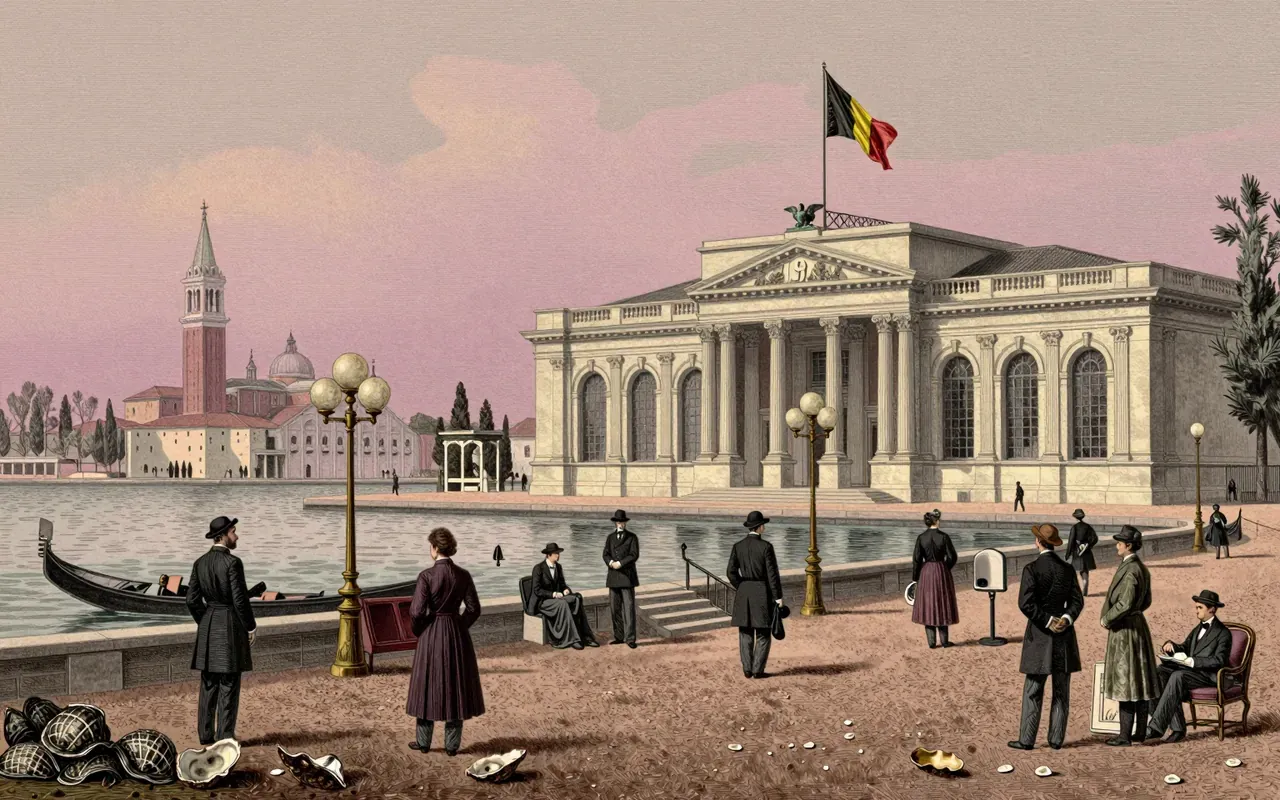
Belgium built the first national pavilion—in 1907.
4:38
The Governance
It became an Autonomous Board by Royal Decree on 13 January 1930.
Worth your time?
Yes. Study the whole thing.
4.5/ 5
What works
as a structural precedent
as a case study in state-led cultural infrastructure
as evidence of late-19th-century municipal ambition
What does not
influence specific artists
define a decade
start a movement
displace other exhibitions
Study it if
cultural policymakers
art historians
diplomats
Skip it if
casual gallery-goers
students seeking accessible introductions
The written brief1 min read
What the thing is
A biennial international cultural exhibition held in Venice, Italy.
Where it came from
A 1893 Venetian City Council resolution to create a biennial exhibition of Italian art. It opened on 30 April 1895 under royal patronage.
What it gets right
It established a durable, repeatable format for global cultural display. It embedded jury selection and invited participation from the start. It anchored itself physically in Venice’s Castello district.
What it gets wrong
It assumed Italian art needed promotion via royal patronage and municipal decree. It excluded uninvited Italian artists from equal standing with foreign invitees. It deferred national pavilions by twelve years—leaving early editions without structural parity.
Why it matters now
It remains the oldest continuous model for state-backed cultural diplomacy through art—preceding every major global exhibition, and still shaping how nations perform identity abroad.
Is it worth your time
Yes—if you need to understand how state-sponsored international art exhibitions institutionalised national representation in culture.