What the thing is
Realism is a mid-19th-century art movement centred on truthful, unidealized representation of everyday life and ordinary people.
Where it came from
It originated in France after the 1848 Revolution as a deliberate reaction against Romanticism and academic idealism. Its chief exponents were Courbet, Millet, Daumier and Corot.
What it gets right
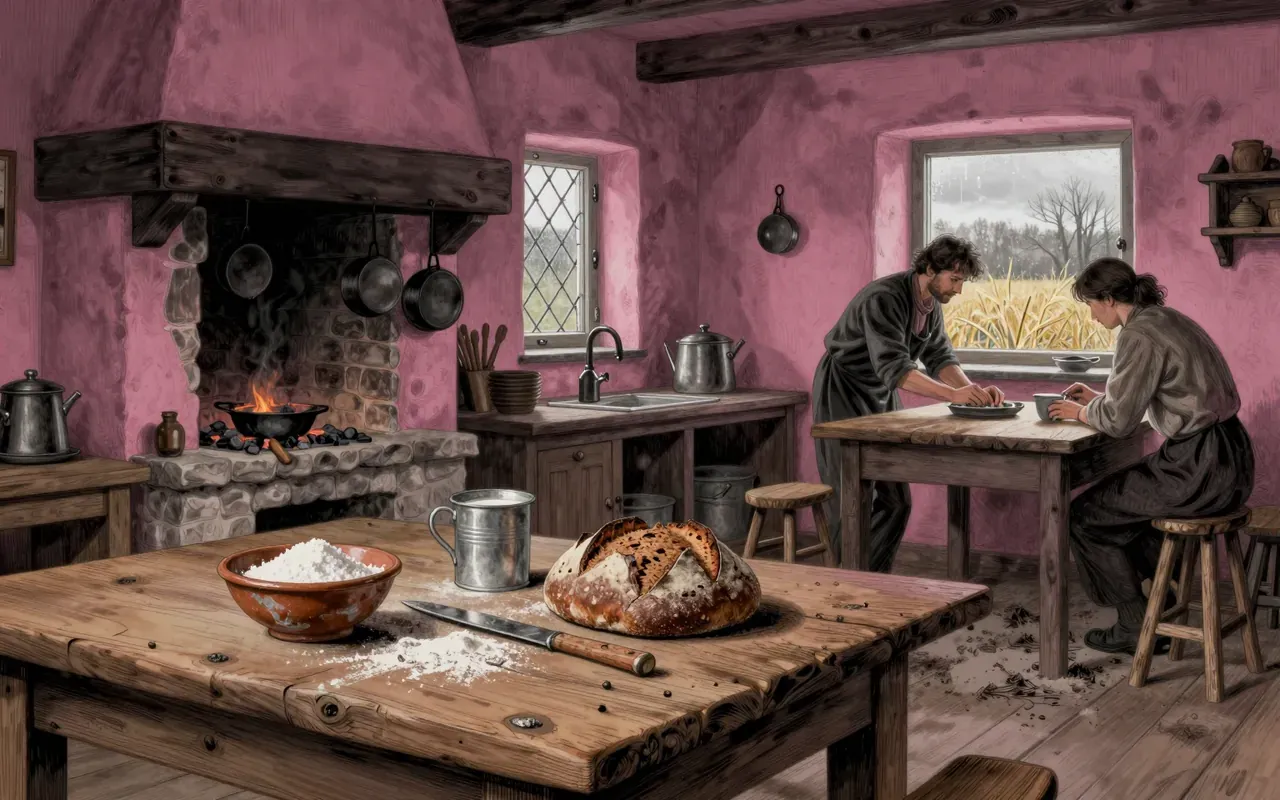
It depicts ordinary people in ordinary surroundings engaged in real activities. It uses unprettified detail. It rejects artificiality and the supernatural. It centres the commoner and leftist concerns.
What it gets wrong
It conflates with naturalism without clarifying boundaries. It overstates its own coherence as a unified movement across borders—equivalents developed later and independently, with divergent aims.
Why it matters now
It established the precedent that depicting observable, secular reality—especially labour, poverty and civic life—is itself a political act. That premise still shapes documentary photography, social realism in film, and public-facing visual journalism.
Is it worth your time
Yes—if you want to understand how art became a tool for social witness, not just decoration.