culturebriefs
7:02in productionCh. 1 · A word from the stall/ 7:02 · ceiling 15 min
Art · Ideas

Kitsch

Kitsch isn’t bad art—it’s the market’s first branded insult.

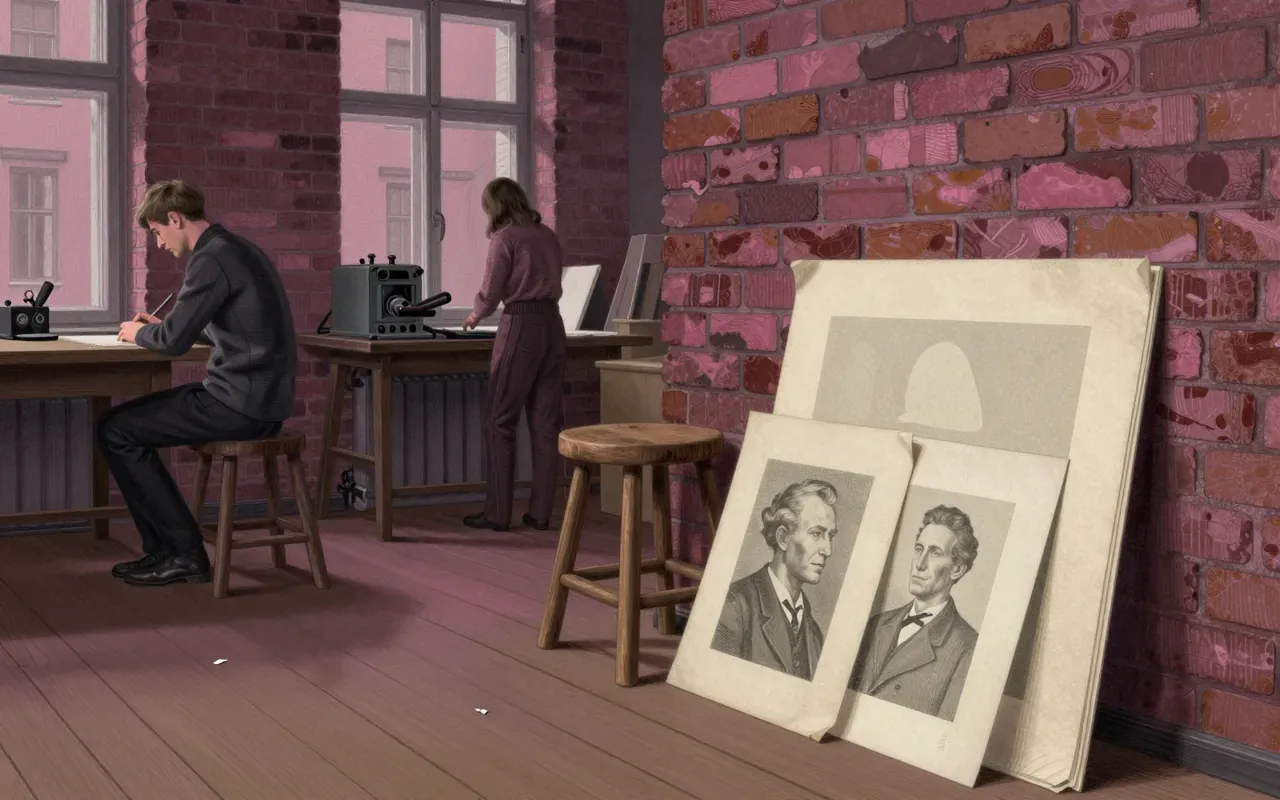
Kitsch is a German loanword that originated in Munich’s art markets in the 1860s–1870s. It described cheap, popular, marketable pictures and sketches. It was used by sellers and producers—not critics or theorists. It names a commercial reality, not an aesthetic failure. Its later philosophical weight obscures its origin as a market term.

Chapters & takeaways4
  1. 0:49
    A word from the stall

    Kitsch is a German loanword born in Munich’s art markets—not in theory, but on the stall.

  2. 2:11
    What it named

    It described what picture and sketch sellers made: cheap, popular, marketable, mass-market visual goods.

  3. 3:10
    Who said it first

    Its origin lies with commercial actors—not critics, not philosophers, not artists.

  4. 4:02
    When it began

    It was tied to industrialisation and mass culture from the start—no nostalgia, no irony.

Worth your time?

Yes. Study the whole thing.

3.5/ 5
What works
  • kitsch-as-term
What does not
  • influence
  • define
  • start
  • displace
Study it if
  • art-market-actors
  • visual-goods-producers
  • 19th-century-consumers
Skip it if
  • artists
  • critics
  • philosophers
The written brief1 min read

What the thing is

Kitsch is a label for cheap, popular, marketable pictures and sketches.

Where it came from

It emerged in Munich’s art markets in the 1860s–1870s among sellers and producers of visual goods.

What it gets right

It names a real commercial category: cheap, popular, marketable visual goods.

What it gets wrong

It pretends to diagnose aesthetic failure, but offers no criteria beyond origin and price.

Why it matters now

It reveals how moral language about taste still serves class distinctions in visual culture.

Is it worth your time

Yes—if you care how taste is weaponised in mass markets.

Same beat · Art4 of 85
10:45
Culture of ItalyA dense institutional archive—not a unified tradition.
9:45
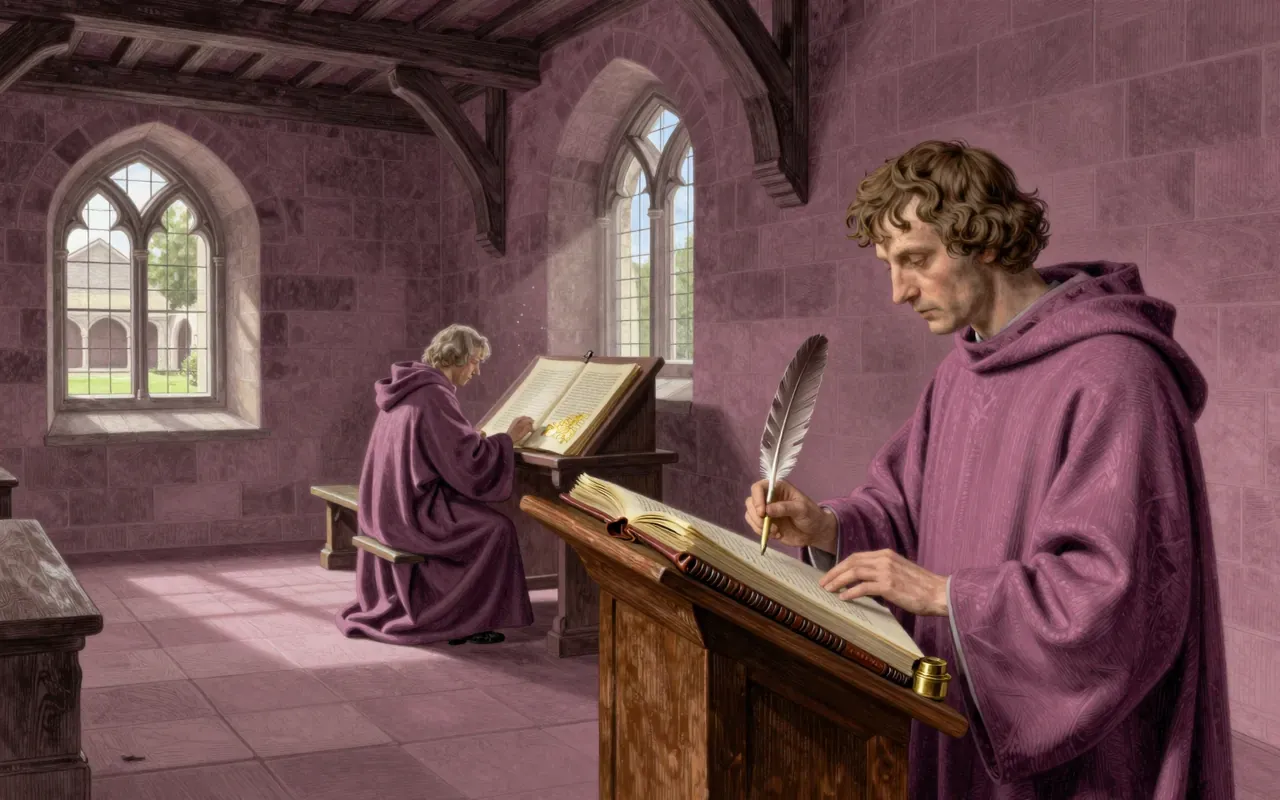
Illuminated manuscriptIlluminated manuscripts are formally prepared documents decorated with borders and miniature illustrations, originating in late antiquity (400–600 CE) and flourishing through the Middle Ages and Renaissance. They were typically written on parchment or vellum—introduced by King Eumenes II of Pergamum—and bound in codex format, though scrolls and rare papyrus fragments also exist. Paper appeared in the Late Middle Ages, but parchment remained standard for luxury illuminated works until the rise of printing, which rapidly diminished production after the early 16th century. Illumination involved meticulous steps including silverpoint drawing, gold application, color modulation, and marginalia, often executed by specialized scribes and illuminators in monastic scriptoria before shifting to secular urban workshops. The practice spanned Latin, Byzantine, Islamic, and Jewish traditions, each contributing distinct stylistic and technical features, and served both liturgical and secular purposes—from Gospel Books and psalters to bestiaries and books of hours—often commissioned by wealthy patrons as markers of status and devotion.
9:47
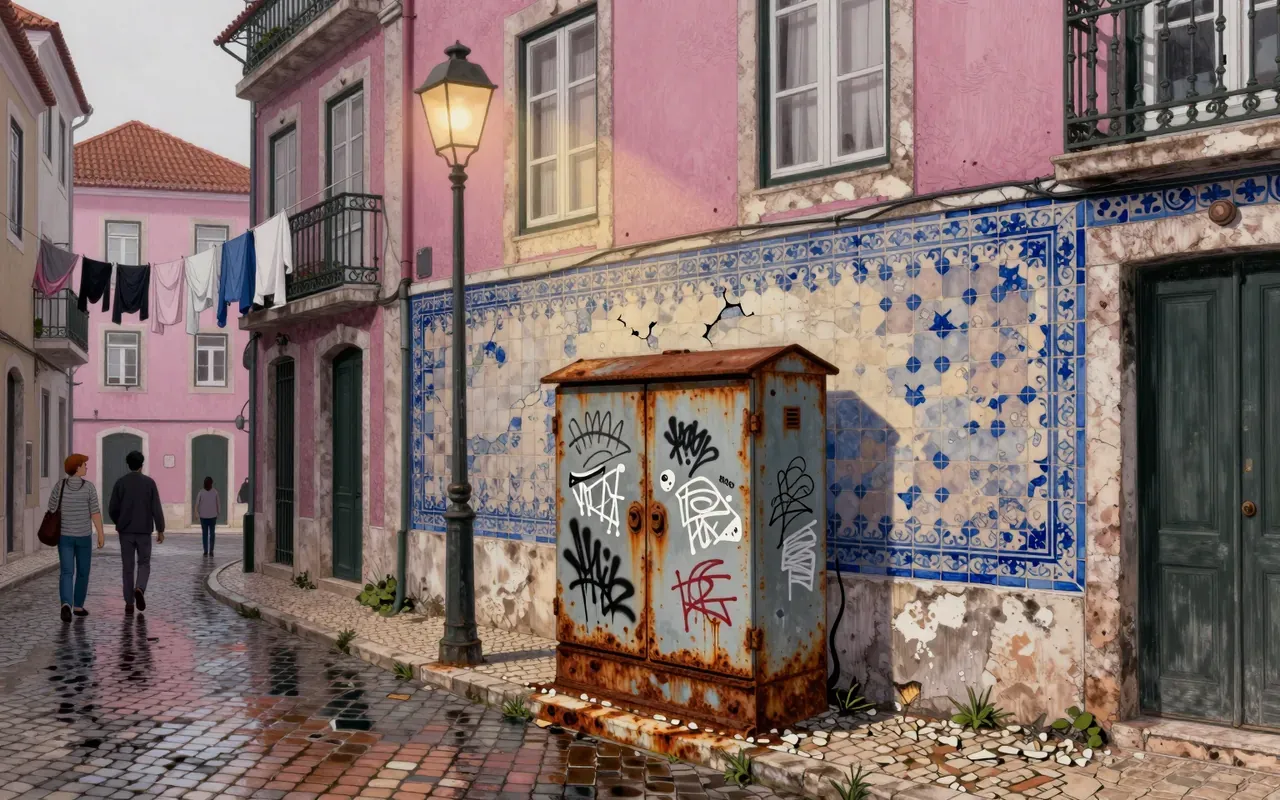
Guerrilla artGuerrilla art is a UK-born street art movement defined by inseparability from environment, psychological effect over permanence, and roots in post-graffiti practice. Its earliest documented instance was in 1978 in Wellington, New Zealand. It has no external boundary between image and environment. The surface is fundamental to meaning. It depends on urban dynamics to avoid becoming 'art for art's sake'. Production focuses on cause and effect, not the material piece. It aims to produce an effect in local residents’ minds—not necessarily meaningful art in itself.
8:10
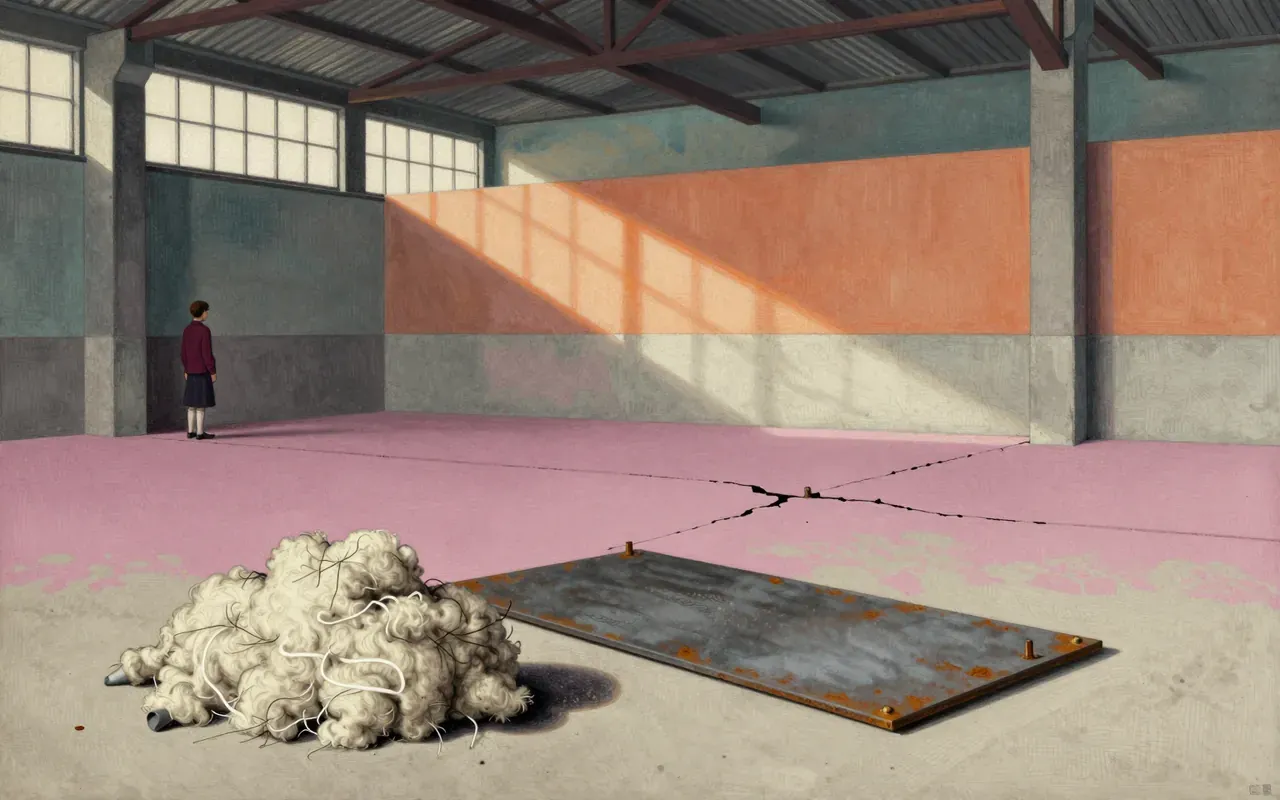
Arte Povera1967Arte Povera was a materially specific, institutionally embedded, temporally tight Italian art movement. It used perishable matter and physical forces to stage critique—but never left the gallery circuit it claimed to dismantle.
Up next in Culture

Let's Play

· 9:00

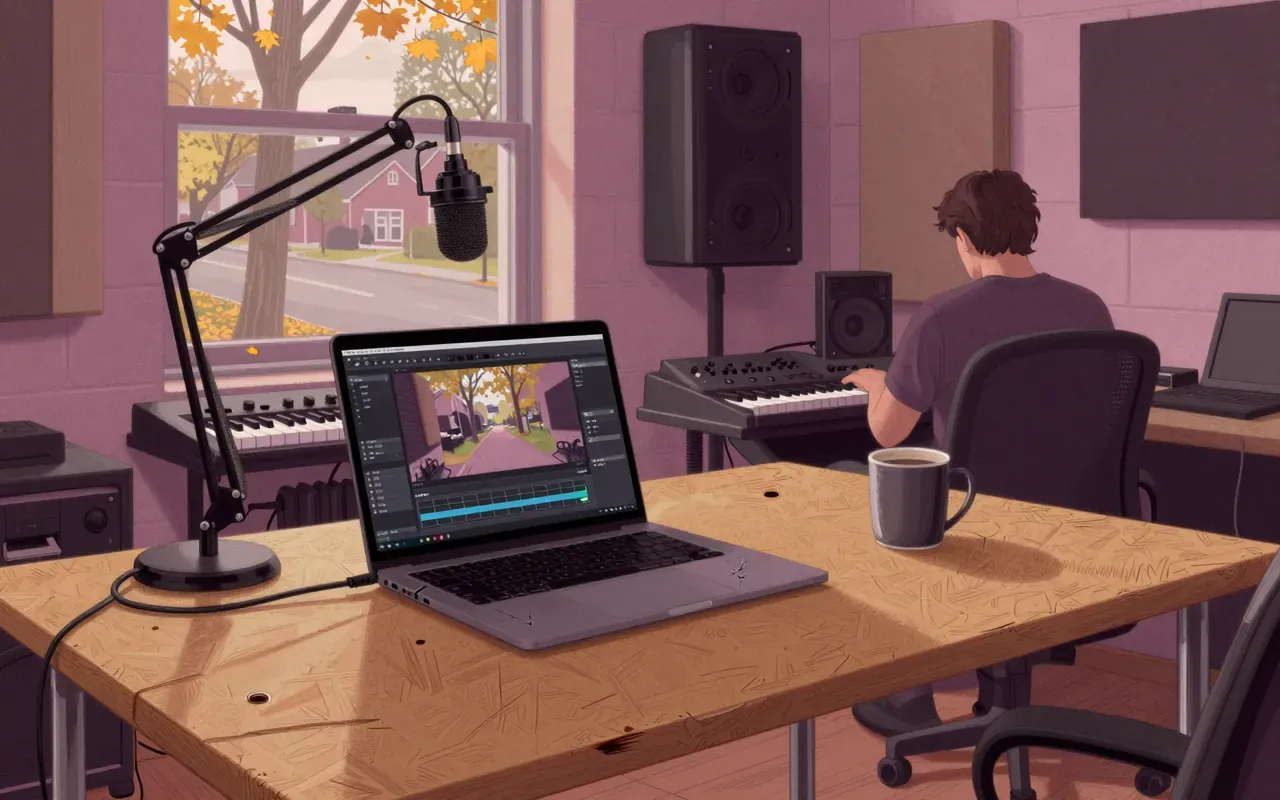
Let's Play didn’t document games—it replaced them with the player’s voice.

9:00