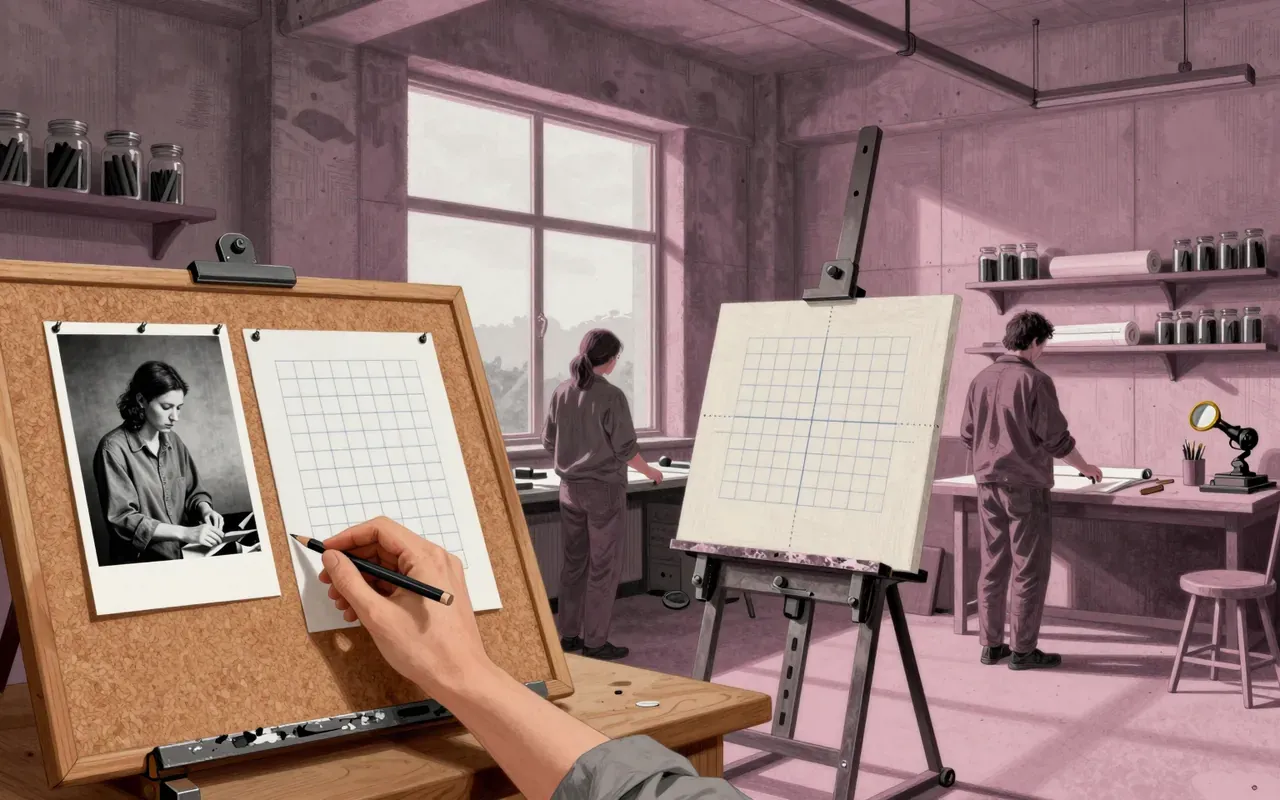
What the thing is
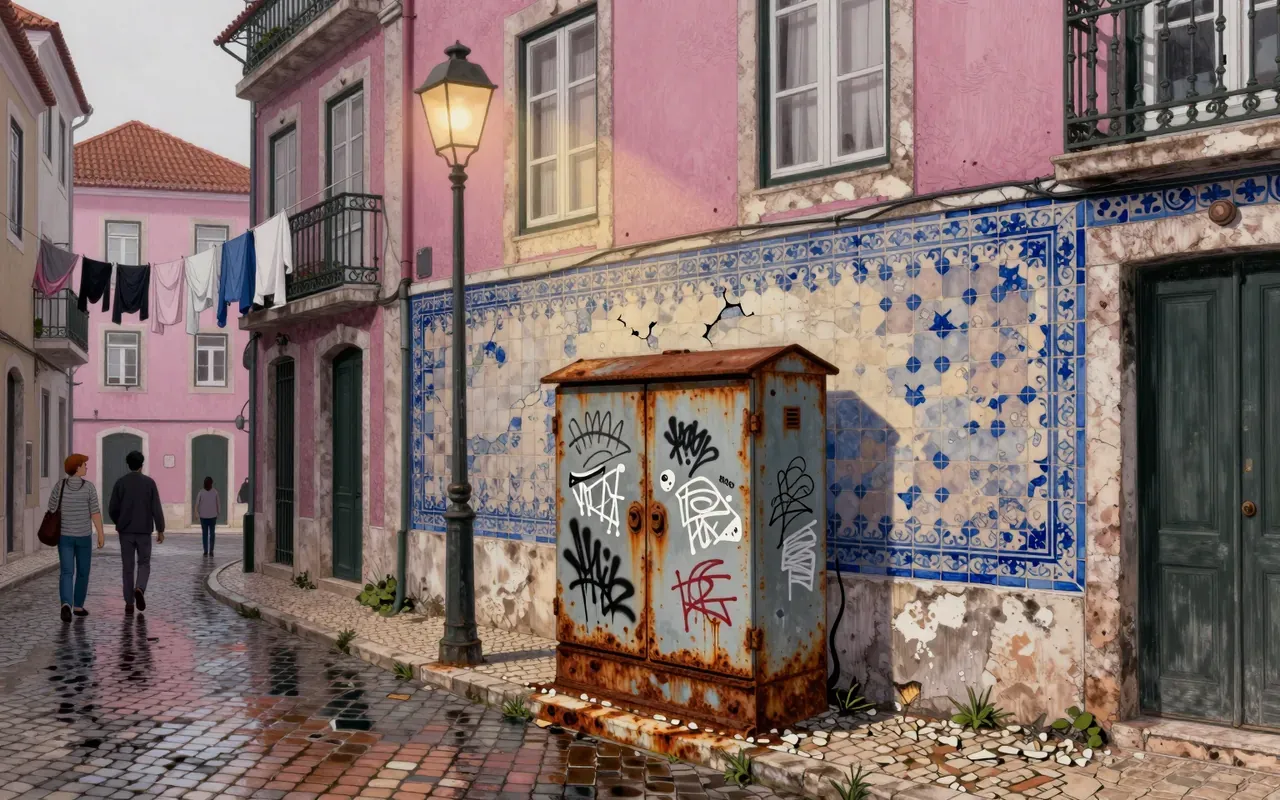
Photorealism is a painting movement defined by reproducing photographs with high precision using mechanical or semi-mechanical transfer methods.
Where it came from
It emerged in the late 1960s and early 1970s in the United States as a reaction against Abstract Expressionism and Minimalism, evolving from Pop Art.
What it gets right
It treats the photograph as a tool, not a subject. It foregrounds mechanical transfer—grid, projection, tracing—as part of the artistic act.
What it gets wrong
It insists on fidelity to photographic detail while rejecting illusionistic deception, yet offers no critical stance toward the photograph’s inherent biases or omissions.
Why it matters now
It prefigures today’s debates about AI image generation: what counts as authorship when the camera and machine mediate perception?
Is it worth your time
Yes—if you want to understand how photographic mediation reshaped painting’s purpose in late-20th-century America.