What the thing is
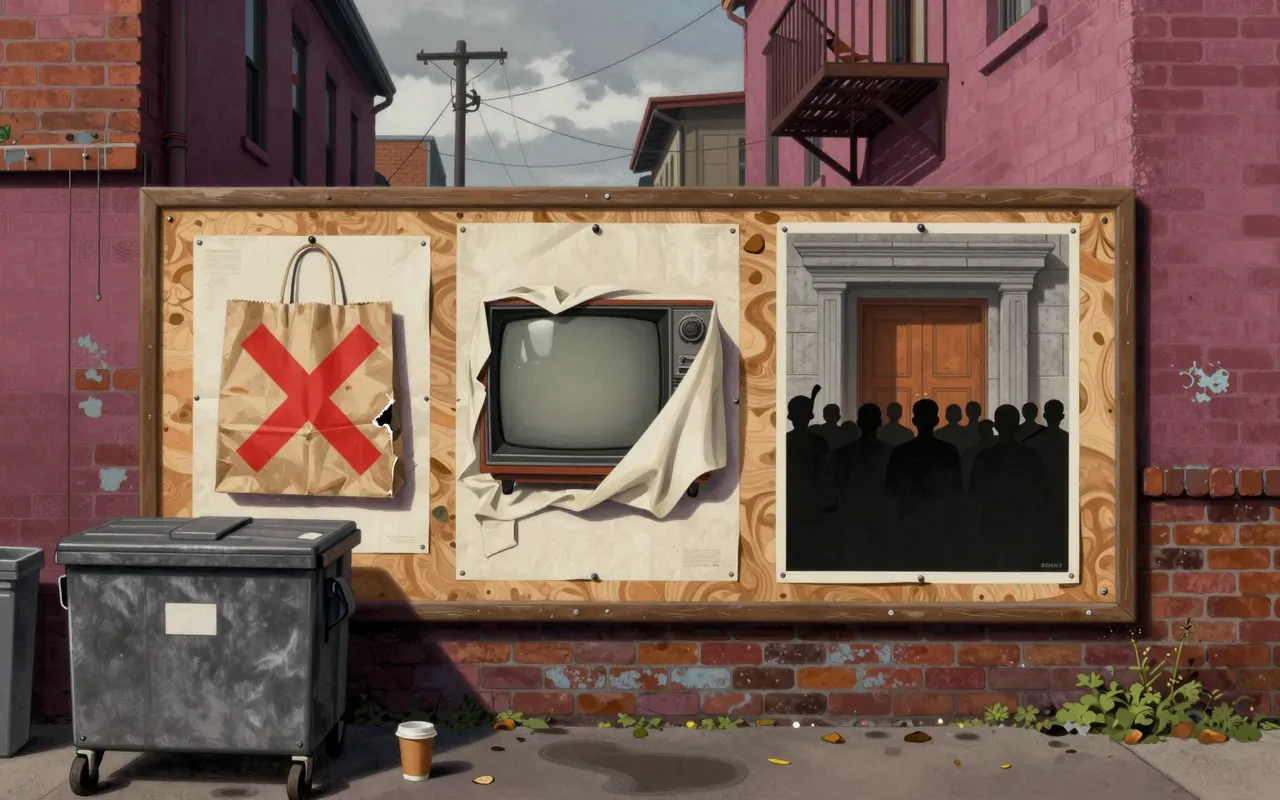
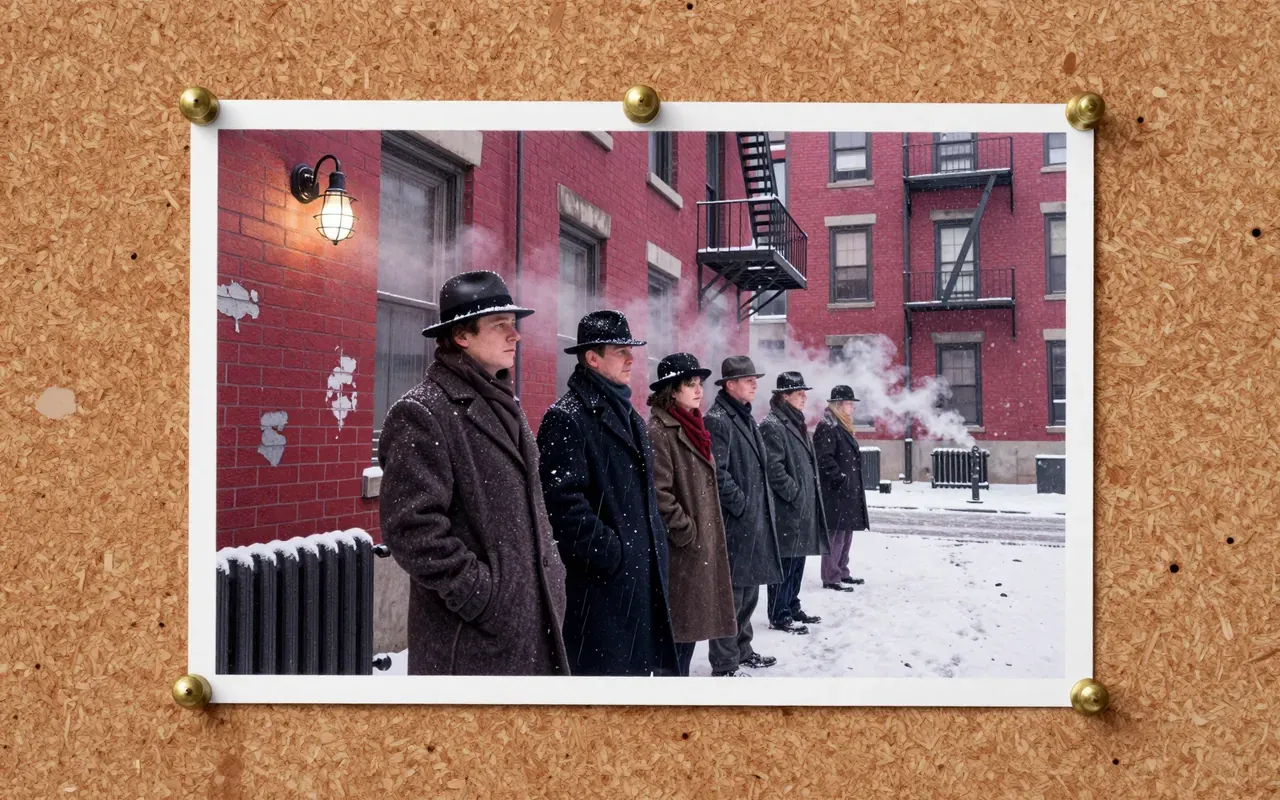
Social realism is an art movement that uses descriptive or critical realism across media to expose and critique socio-political conditions affecting the working class.
Where it came from
It emerged in the United States during the interwar period as a response to post–Great Crash hardship—and was shaped by a pre-existing French social realist tradition.
What it gets right
It names power as the subject of art. It insists on visibility for the working class. It uses realism not as neutrality but as a tool to expose tension between opposing social forces.
What it gets wrong
It assumes accessibility follows from heroic portraiture. It conflates exposure with accountability. It offers no internal critique of its own representational authority.
Why it matters now
Because it remains one of the few 20th-century frameworks that treats class not as background but as active, antagonistic force—and because its distinction from socialist realism clarifies what art can and cannot do under state mandate.
Is it worth your time
Yes—if you need a precise, politically grounded realist language for depicting class conflict today. No—if you expect it to offer solutions, or if you confuse it with Soviet doctrine.