What the thing is
Futurism was a short-lived Italian avant-garde movement. It was a set of declarations, not a stable practice. It prioritised provocation over production.
Where it came from
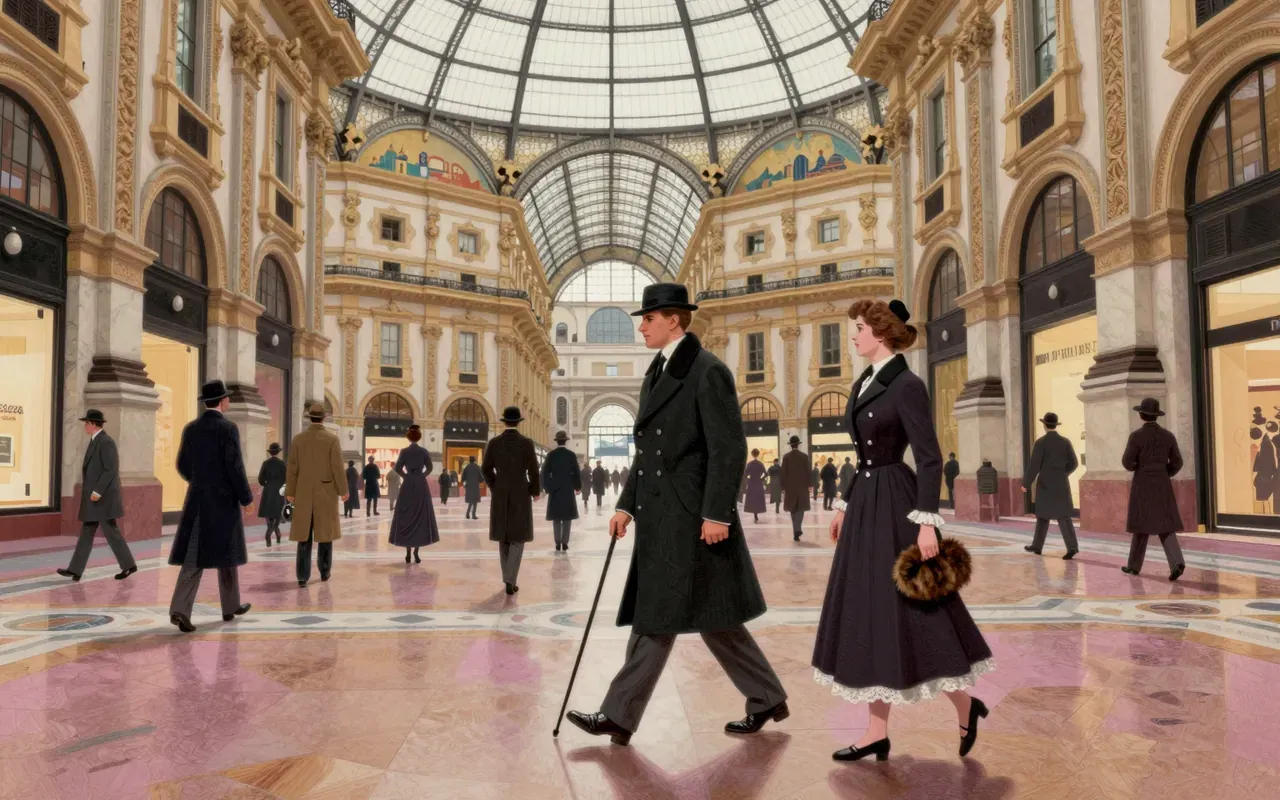
It began in Milan in 1909. Filippo Tommaso Marinetti published the Manifesto of Futurism on 5 February 1909 in La gazzetta dell’Emilia. It reappeared in Le Figaro on 20 February 1909.
What it gets right
It names the sensory shock of industrial modernity: the roar of cars, the glare of streetlights, the fracture of static form. It treats technology not as background but as protagonist.
What it gets wrong
It confuses acceleration with progress. It glorifies war as hygiene. It mistakes destruction for renewal. It excludes women except as muses or mothers—despite claiming to reject tradition.
Why it matters now
It is the first movement to treat media attention as an end in itself. Its tactics—staged outrage, timed releases, celebrity-as-weapon—prefigure digital virality without its infrastructure.
Is it worth your time
Yes—if you want to understand how manifestos weaponise speed, noise and violence as cultural tools. No—if you expect coherent aesthetics or lasting artistic practice.