culturebriefs
8:25in productionCh. 1 · Commerce First/ 8:25 · ceiling 15 min
Movements & scenes · Society

Exploitation film

Exploitation films didn’t break taboos—they priced them.

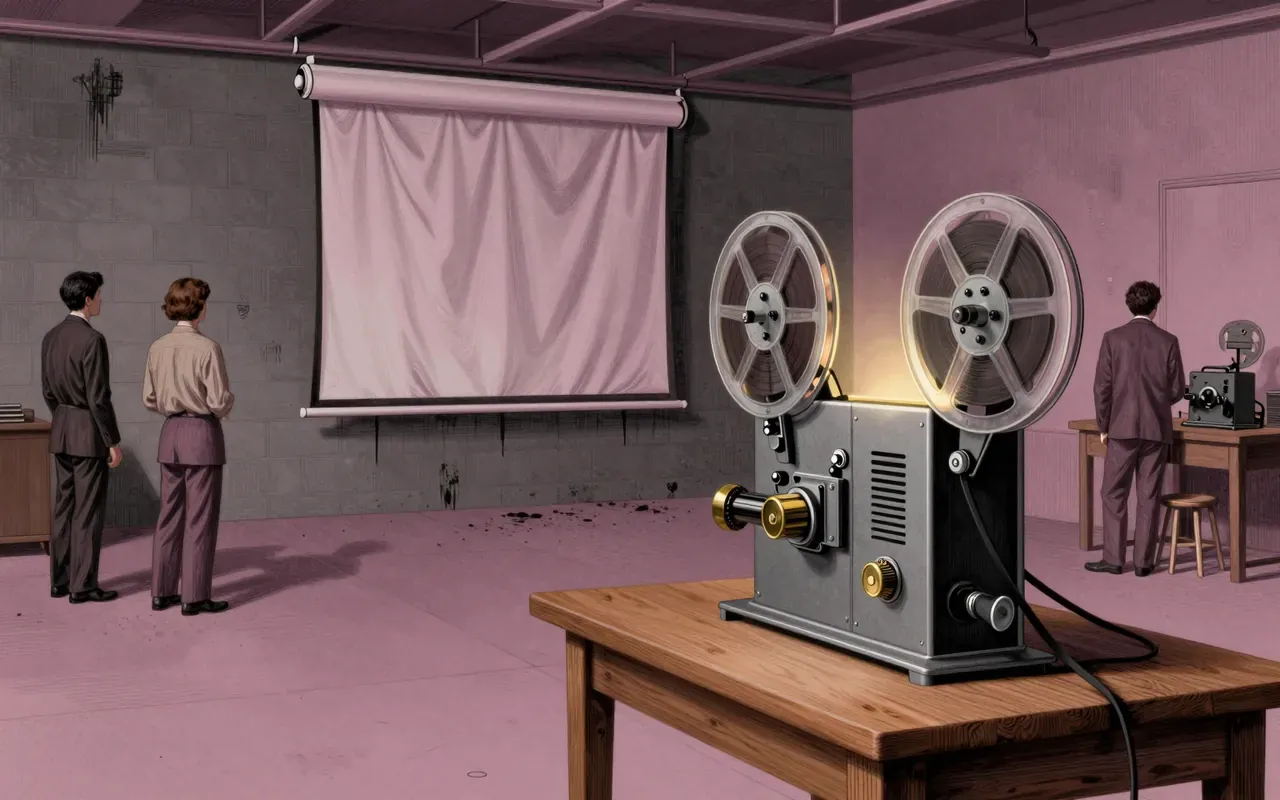
Exploitation film is a business model disguised as a genre. It emerged in the 1920s. It peaked from the 1960s to the 1980s. Kroger Babb perfected it with roadshows, moral pretexts, and films like Mom and Dad (1945). It sold sensation—not insight.

Chapters & takeaways4
  1. 0:43
    Commerce First

    Exploitation films were never about art—they were about arbitraging cultural gaps for profit.

  2. 2:07
    Sensational by Formula

    Their content wasn’t transgressive by design—it was calibrated to trigger curiosity, discomfort, and ticket sales.

  3. 3:29
    A Lifelong Business Model

    Kroger Babb didn’t invent exploitation—he systematised it across decades, from the 1920s to the 1980s.

  4. 4:55
    Moral Instruction as Cover

    Mom and Dad (1945) wasn’t educational—it was a legal disguise for selling sex on screen.

Worth your time?

Yes. Study the whole thing.

3.5/ 5
What works
  • Mom and Dad (1945)
What does not
  • art-deco
  • absurdism
  • avant-garde
Study it if
  • film-historians
  • media-students
  • advertising-professionals
Skip it if
  • film-purists
  • cultural-conservatives
  • studio-executives
The written brief1 min read

What the thing is

Exploitation film is a commercially driven film genre that trades in sensational content—sex, violence, drug use, nudity, gore, rebellion, mayhem, the bizarre—to profit from cultural anxieties and regulatory gaps.

Where it came from

It began in the 1920s. Kroger Babb pioneered its tactics: roadshow screenings, moral pretexts, direct mail. Mom and Dad (1945) exemplifies the formula—marketed as sex hygiene, built around an accidental pregnancy.

What it gets right

It identifies audience hunger before studios do. It treats taboo subjects as market opportunities, not moral failures.

What it gets wrong

It confuses evasion with critique. Framing sex or violence as ‘educational’ does not make it instructive—it makes it transactional.

Why it matters now

It reveals how media platforms today replicate exploitation logic: algorithmic sensationalism, moral framing of outrage content, and monetisation of niche transgression—all outside traditional editorial or regulatory oversight.

Is it worth your time

Yes—if you want to understand how commercial film bypassed censorship, targeted marginal audiences, and built distribution outside Hollywood’s control.
Same beat · Movements & scenes4 of 159
8:40
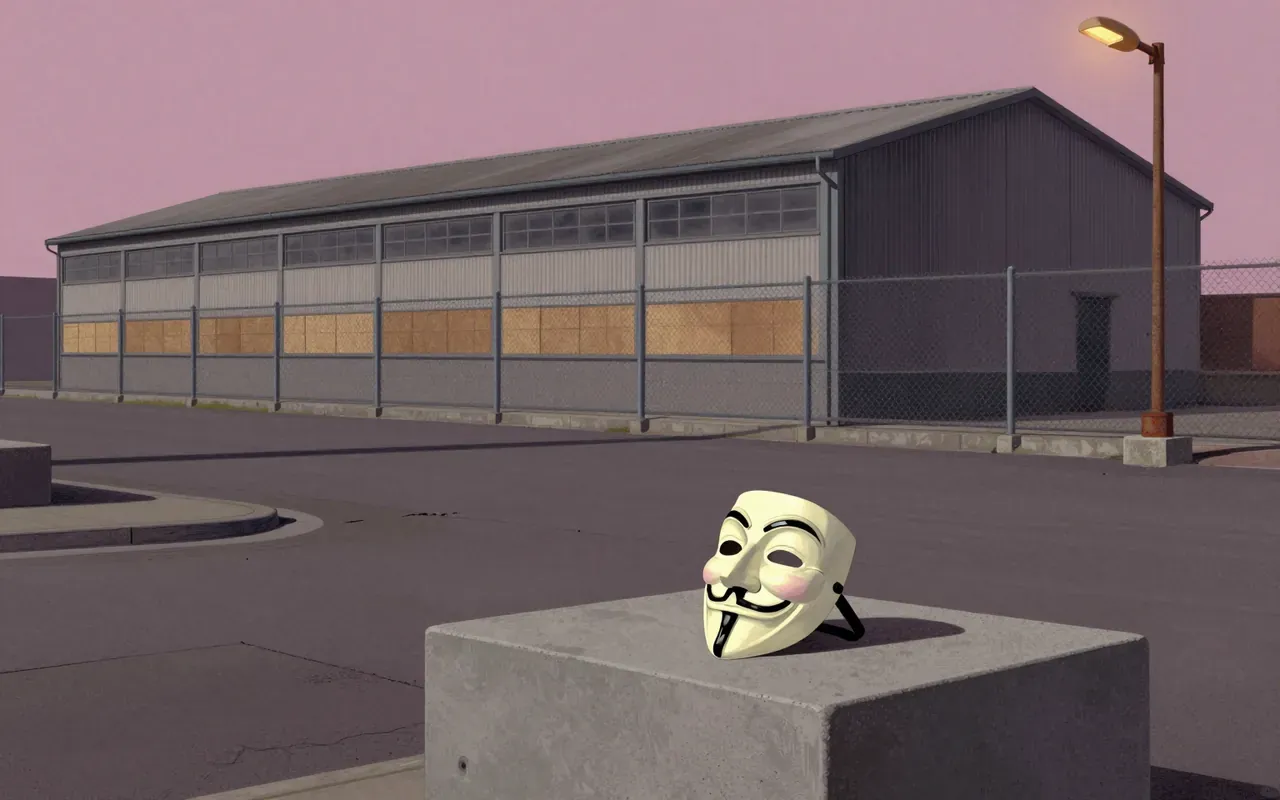
Anonymous (hacker group)2003Anonymous is a self-declared, leaderless collective that conducts cyberattacks as its primary method of activism. It originated in 2003 on the imageboard 4chan. Because it has no leadership, no action can be attributed to the membership as a whole. Some members protest using legal means, while others employ illegal measures such as DDoS attacks and hacking.
9:10
Self-managed social centerSelf-managed social centers are anti-authoritarian, volunteer-run spaces that operate as infoshops, free schools, bicycle workshops and concert venues. They began in Italy in the 1980s and spread to the US and UK in the 1990s. They oppose gentrification and megaprojects. They create and practice the commons. They are transient, precarious, and politically active—but do not survive long enough to institutionalise what they prefigure.
10:00
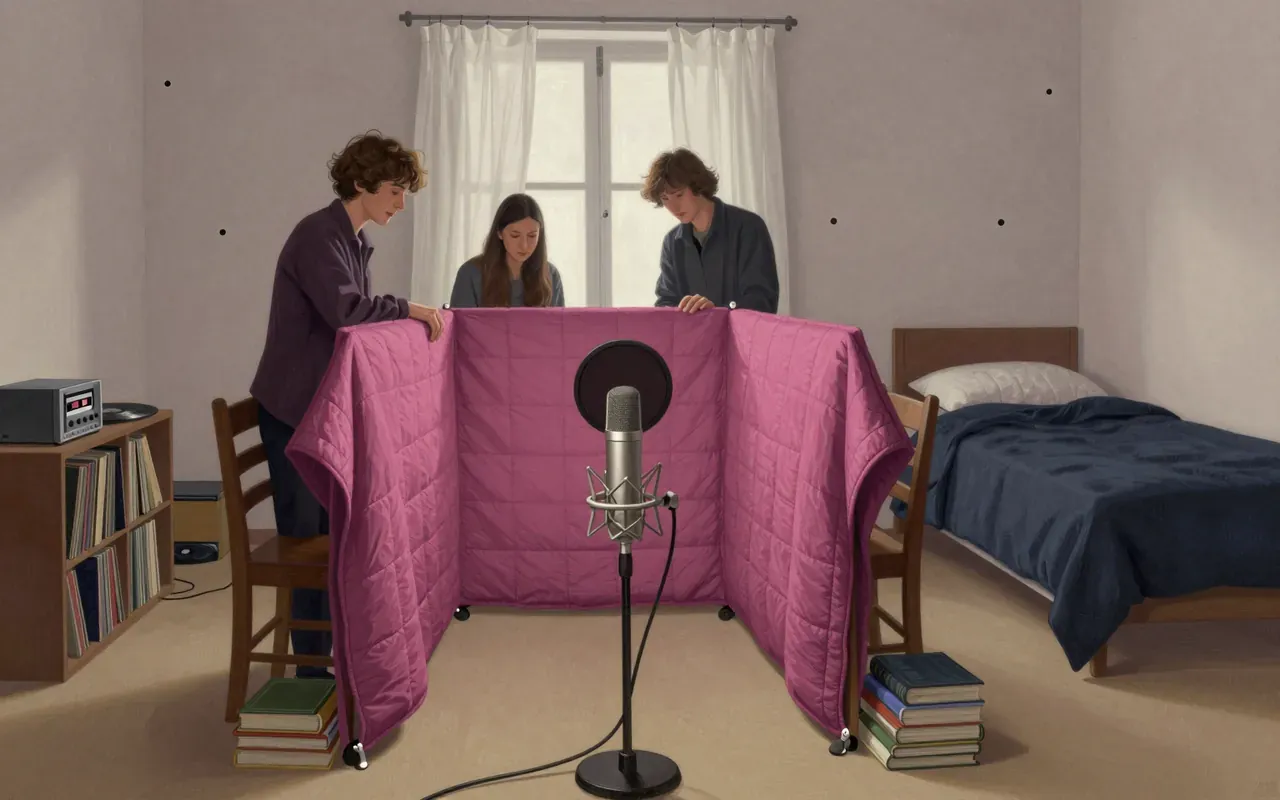
Home recordingHome recording is sound captured in private homes—not studios. It began with isolated pioneers in the US, UK, Australia, and Jamaica in the 1950s–1970s. The 1979 Portastudio enabled consumer multitrack recording. Digital recorders and DAWs replaced analog in the 1990s. Lockdowns in 2020 caused a global surge in home-based artists and microgenres. Untreated rooms produce misleading acoustics that compromise mixing. Professional studios have been heavily impacted over the last two decades.
10:02
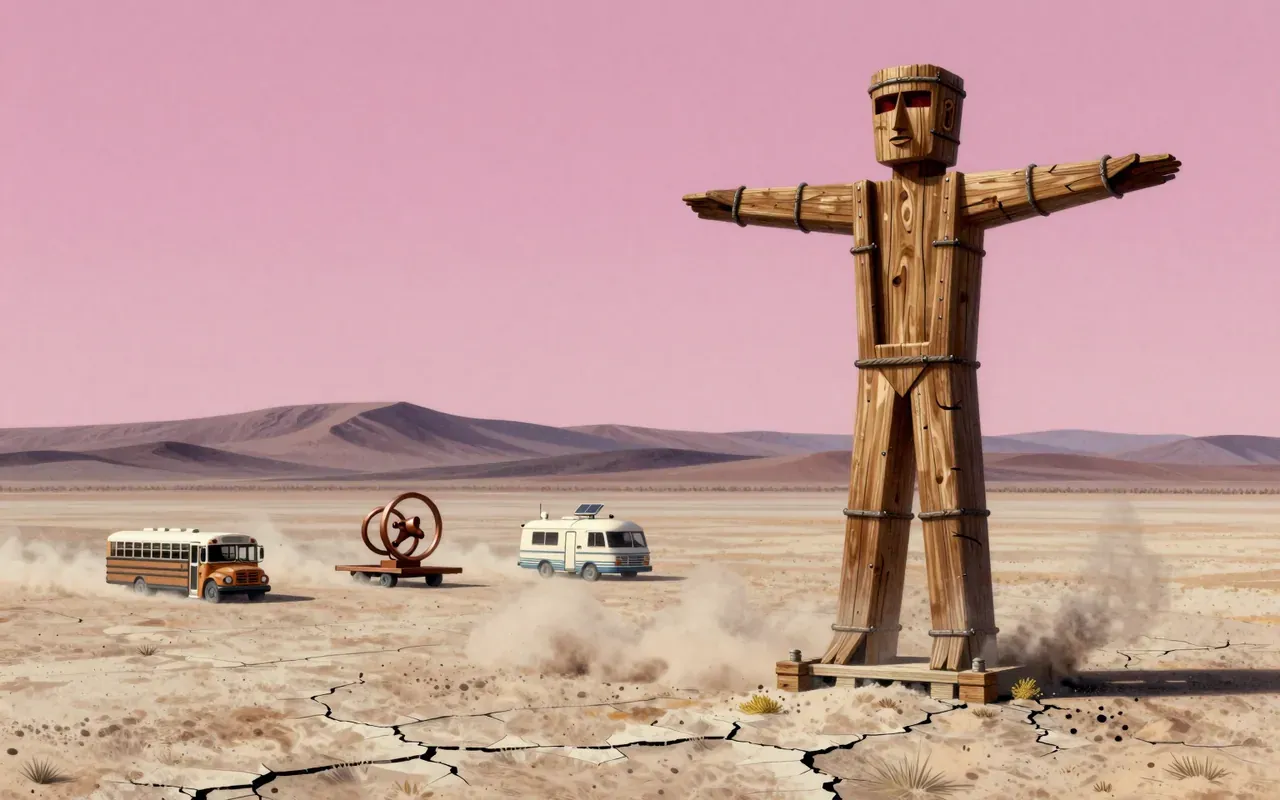
Burning Man1986Burning Man is a participant-built desert gathering named for the ceremonial burning of a wooden effigy—the Man—on the Saturday before Labor Day. It began on Baker Beach in 1986, moved to the Black Rock Desert in 1990, and operates on radical self-reliance, communal effort, and theme-driven art made solely by attendees. Its ten principles were codified in 2004—not at origin—and its model has since been replicated, commercialised, and contested. It is neither pure counterculture nor corporate spectacle, but a documented instance of how ritual, place, and principle diverge over time.
Up next in Culture

Cante flamenco

· 10:17

Flamenco’s voice was never meant to be background music—and its 1922 'rescue' was a narrowing, not a restoration.

10:17