9:44in productionCh. 1 · Not a film. A time slot./ 9:44 · ceiling 15 min
Movements & scenes · Subcultures
Midnight movie
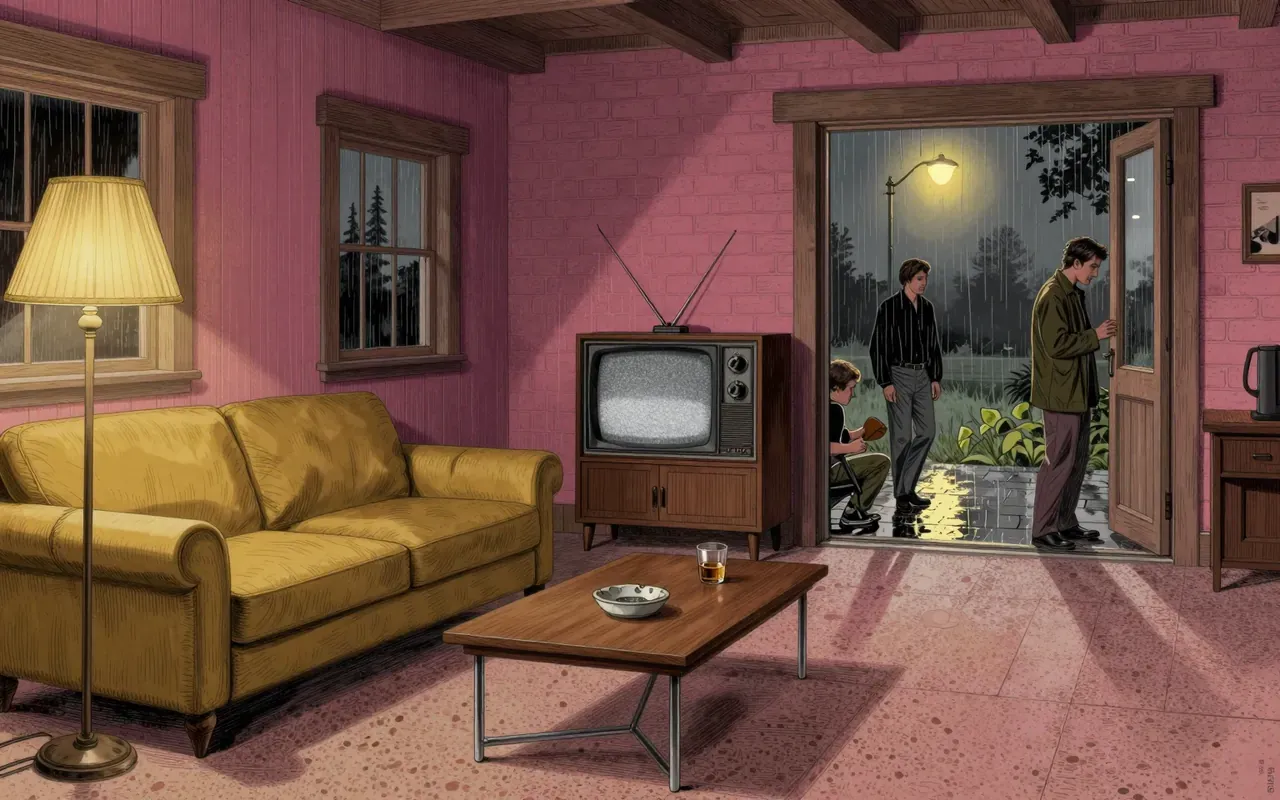
Midnight movies weren’t born of rebellion—they were made possible by union deals and broadcasting loopholes.
A midnight movie is a low-budget genre picture or distinctly nonmainstream film programmed for late-night screening or broadcast. It began in 1950s US television, with local stations airing cheap genre films late at night—often hosted with ironic asides—and evolved into a cinematic phenomenon in late-1960s New York City, catalysed by El Topo’s December 1970 midnight run at the Elgin Theater. Midnight screenings cultivated cult audiences by design—through repeat viewing and communal, countercultural interaction. But the format depended on structural enablers: SAG’s 1953 residuals agreement and FCC safe-harbor exemptions. It reveals how regulatory loopholes and labour agreements—not just taste or rebellion—create space for alternative culture. That mechanism still operates, unseen, in streaming algorithms and platform policies.
The term ‘midnight movie’ names a scheduling practice—not a genre—rooted in 1950s US TV.
2:12
The legal scaffolding
SAG’s 1953 residuals agreement and FCC safe-harbor rules enabled the flood of B movies onto late-night TV.
4:07
The spark in New York
El Topo’s December 1970 midnight run at New York’s Elgin Theater launched the theatrical midnight movie as a national phenomenon.
5:34
Ritual over narrative
Midnight screenings cultivated cult audiences by design—through repeat viewing and communal, countercultural interaction.
Worth your time?
Yes. Study the whole thing.
4/ 5
What works
as a case study in infrastructure-driven culture
What does not
influence
define
start
launch
Study it if
film programmers
media historians
audience researchers
Skip it if
casual viewers
film students without context
The written brief1 min read
What the thing is
A midnight movie is a low-budget genre picture or distinctly nonmainstream film programmed for late-night screening or broadcast.
Where it came from
It began in 1950s US television, with local stations airing cheap genre films late at night—often hosted with ironic asides—and evolved into a cinematic phenomenon in late-1960s New York City, catalysed by El Topo’s December 1970 midnight run at the Elgin Theater.
What it gets right
It built audience loyalty through repetition and shared ritual. It turned late-night screening into a social act, not passive consumption.
What it gets wrong
It assumed cult status was organic. In reality, it depended on structural enablers: SAG’s 1953 residuals deal and FCC safe-harbor exemptions.
Why it matters now
It reveals how regulatory loopholes and labour agreements—not just taste or rebellion—create space for alternative culture. That mechanism still operates, unseen, in streaming algorithms and platform policies.
Is it worth your time
Yes—if you care how countercultural spaces form, or how media regulation shapes what we watch.