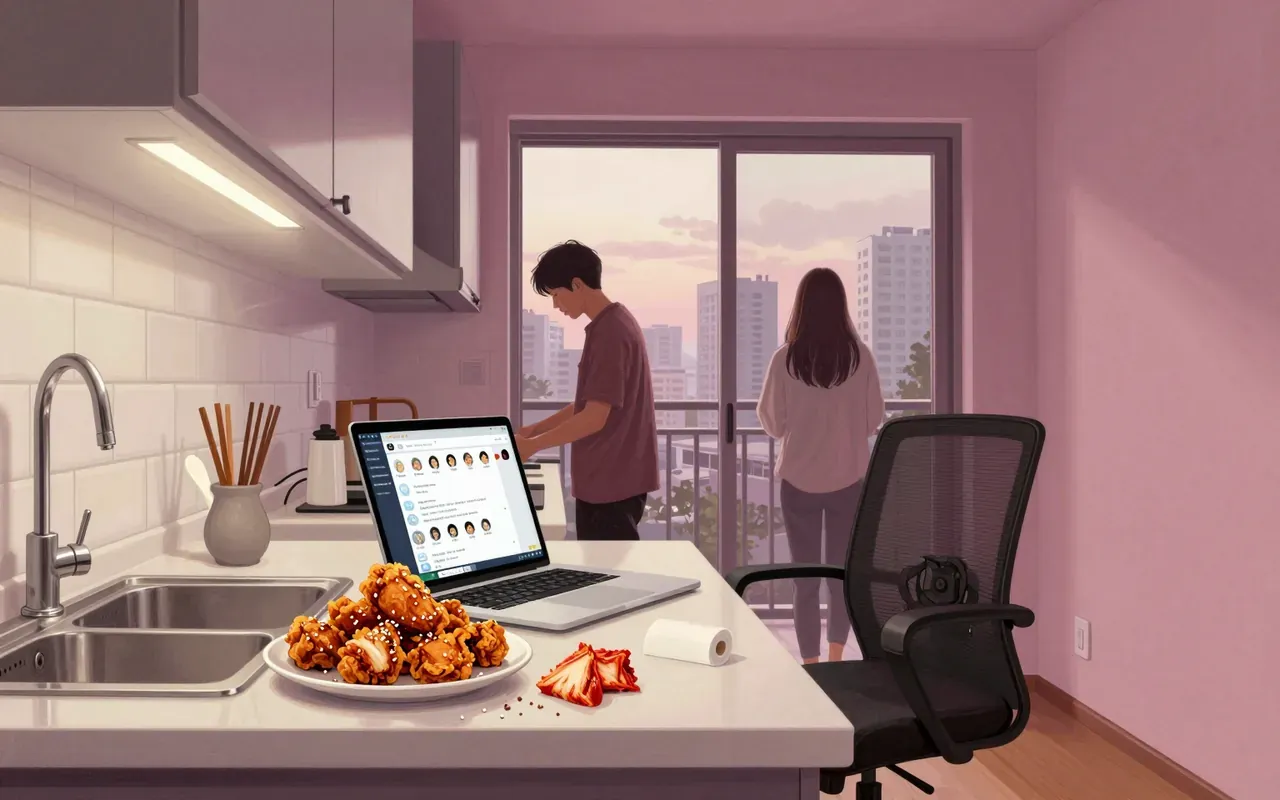
Mukbang is eating as live interface: mouth, mic, and chat room fused in one act.
1:47
Local Platform, Local Problem
It started on AfreecaTV in 2009 — a Korean platform built for real-time interaction, not global virality.
2:57
Loneliness, Not Gluttony
A Seoul National University study identified alleviation of loneliness from eating alone as its primary appeal — not spectacle, not excess.
4:16
A Career Built on Chewing
Mukbangers earn from advertising, sponsorships, endorsements, and viewer support — turning solitary meals into scalable labour.
5:45
Volume Without Velocity
Over 100,000 YouTube videos used 'mukbang' between April 2017 and April 2019 — proof of scale, not significance.
Worth your time?
Yes. Study the whole thing.
3.5/ 5
What works
culture/society
culture/food
culture/generations
What does not
culture/art
culture/arts
culture/cities
culture/fashion
Study it if
researchers of digital ritual
platform economy analysts
food studies scholars
Skip it if
casual viewers seeking culinary insight
food historians
restaurant critics
The written brief1 min read
What the thing is
Mukbang is an online broadcast where a host eats food while interacting with an audience in real time or via prerecorded video.
Where it came from
It began on AfreecaTV in 2009. It became popular in South Korea in the early 2010s and a global trend since the mid-2010s.
What it gets right
It identifies eating alone as a social wound. It treats food not as fuel or status, but as a medium for presence.
What it gets wrong
It displaces real-world conviviality with parasocial consumption. It turns nourishment into performance without addressing the structural causes of isolation.
Why it matters now
It reveals how platform economies monetise emotional labour and ambient companionship — not through dialogue, but through ingestion.
Is it worth your time
It is worth your time if you study how digital platforms reshape solitary acts into shared rituals — not as entertainment, but as infrastructure for attention and affect.