culturebriefs
9:27in productionCh. 1 · What it means/ 9:27 · ceiling 15 min
Society

Virtue signalling

Calling something 'virtue signalling' doesn’t expose hypocrisy—it outsources moral judgement to tone.

Virtue signalling names a real dynamic: using moral language to project virtue without commitment to change. It applies to individuals and companies. It emerged as a pejorative in 2015, though used earlier. It correctly flags greenwashing and hollow social media gestures—but wrongly conflates all public moral expression with insincerity. Its reflexive use now undermines ethical discourse more than it clarifies it.

Chapters & takeaways4
  1. 0:57
    What it means

    It’s not about morality—it’s about perceived intent: signalling virtue, not living it.

  2. 2:40
    Where it shows up

    Greenwashing and Blackout Tuesday show how easily expression replaces action.

  3. 4:22
    The mirror effect

    Accusing others of virtue signalling can itself be a bid for moral authority.

  4. 5:55
    The inverse

    Vice signalling is its dark twin—performing toughness instead of goodness.

Worth your time?

Yes. Study the whole thing.

3.5/ 5
What works
  • greenwashing
  • Blackout Tuesday
  • vice signalling
What does not
  • culture/movements-and-scenes
  • culture/literature
  • culture/photography
Study it if
  • people who moderate online spaces
  • marketers
  • journalists covering corporate or activist claims
Skip it if
  • historians of moral philosophy
  • theologians
  • policy analysts focused on legislation
The written brief1 min read

What the thing is

Virtue signalling is a pejorative term for expressing moral views to communicate good character, often implying hypocrisy.

Where it came from

The pejorative usage was claimed by James Bartholomew in 2015, though the term appeared earlier (since at least 2004) and echoes ancient critiques like Matthew 6:1.

What it gets right

It identifies performative moral expression that substitutes for action—like greenwashing or Blackout Tuesday campaigns disconnected from policy or material support.

What it gets wrong

It treats all public moral expression as suspect, ignoring genuine concern—and weaponises accusation so that even calling out virtue signalling can itself be virtue signalling.

Why it matters now

It shapes how we interpret corporate statements, celebrity activism, and political rhetoric—often shutting down debate before substance is examined.

Is it worth your time

Yes—if you spend time online, work in marketing, or debate ethics in public. It names a real pattern of behaviour, but its overuse flattens moral reasoning into a reflex.

Same beat · Society4 of 286
8:48
Image macroImage macros are a digital interface—not an art form. They standardised how millions expressed irony, frustration and affiliation before platforms automated tone and stripped away authorship. Their rigidity enabled scale. Their simplicity enabled theft. Their legacy isn’t humour—it’s the template as infrastructure.
9:10
Self-managed social centerSelf-managed social centers are anti-authoritarian, volunteer-run spaces that operate as infoshops, free schools, bicycle workshops and concert venues. They began in Italy in the 1980s and spread to the US and UK in the 1990s. They oppose gentrification and megaprojects. They create and practice the commons. They are transient, precarious, and politically active—but do not survive long enough to institutionalise what they prefigure.
10:00
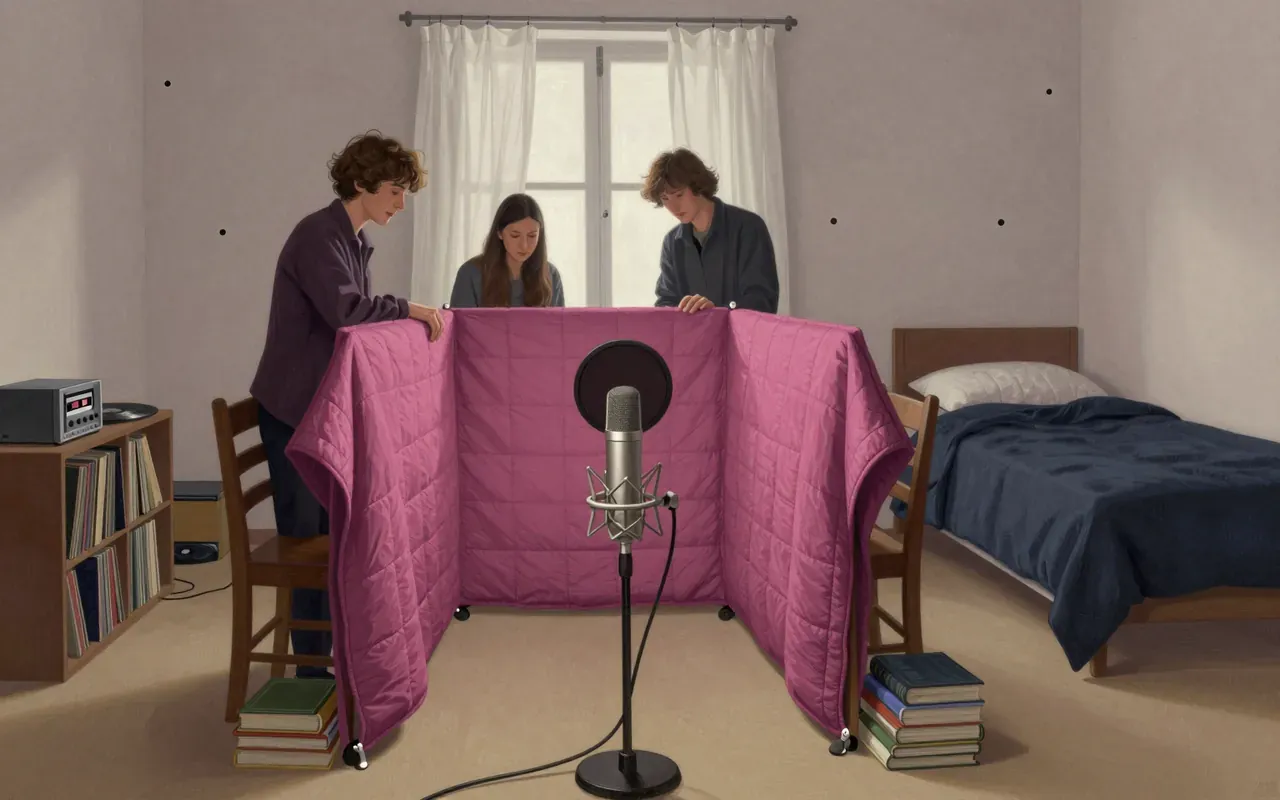
Home recordingHome recording is sound captured in private homes—not studios. It began with isolated pioneers in the US, UK, Australia, and Jamaica in the 1950s–1970s. The 1979 Portastudio enabled consumer multitrack recording. Digital recorders and DAWs replaced analog in the 1990s. Lockdowns in 2020 caused a global surge in home-based artists and microgenres. Untreated rooms produce misleading acoustics that compromise mixing. Professional studios have been heavily impacted over the last two decades.
10:02
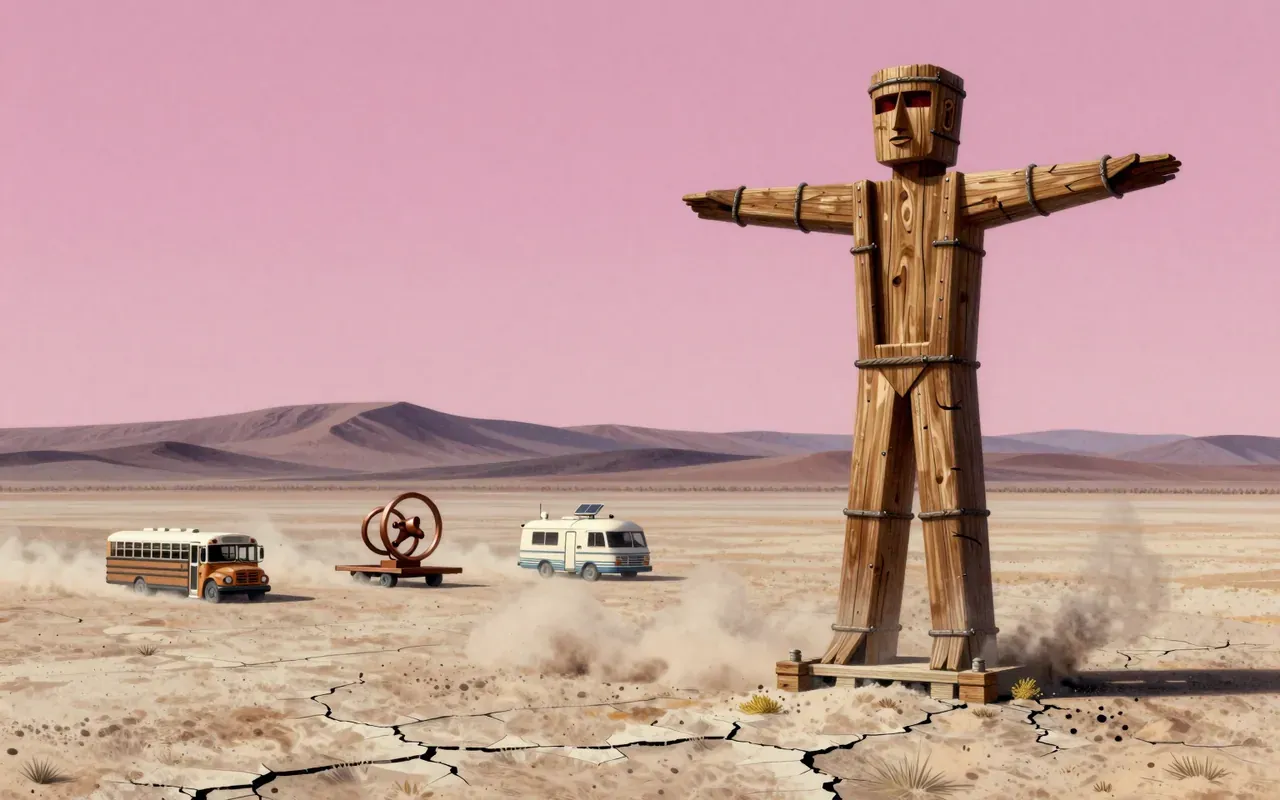
Burning Man1986Burning Man is a participant-built desert gathering named for the ceremonial burning of a wooden effigy—the Man—on the Saturday before Labor Day. It began on Baker Beach in 1986, moved to the Black Rock Desert in 1990, and operates on radical self-reliance, communal effort, and theme-driven art made solely by attendees. Its ten principles were codified in 2004—not at origin—and its model has since been replicated, commercialised, and contested. It is neither pure counterculture nor corporate spectacle, but a documented instance of how ritual, place, and principle diverge over time.
Up next in Culture

Vogue (dance)

· 7:39

Voguing isn’t about fashion—it’s about refusing erasure one rigid pose at a time.

7:39