culturebriefs
8:09in productionCh. 1 · What it is/ 8:09 · ceiling 15 min
Society · Generations

Internet challenge

Internet challenges are not viral stunts — they are attention arbitrage run by teenagers on platforms that pay in likes, not liability.

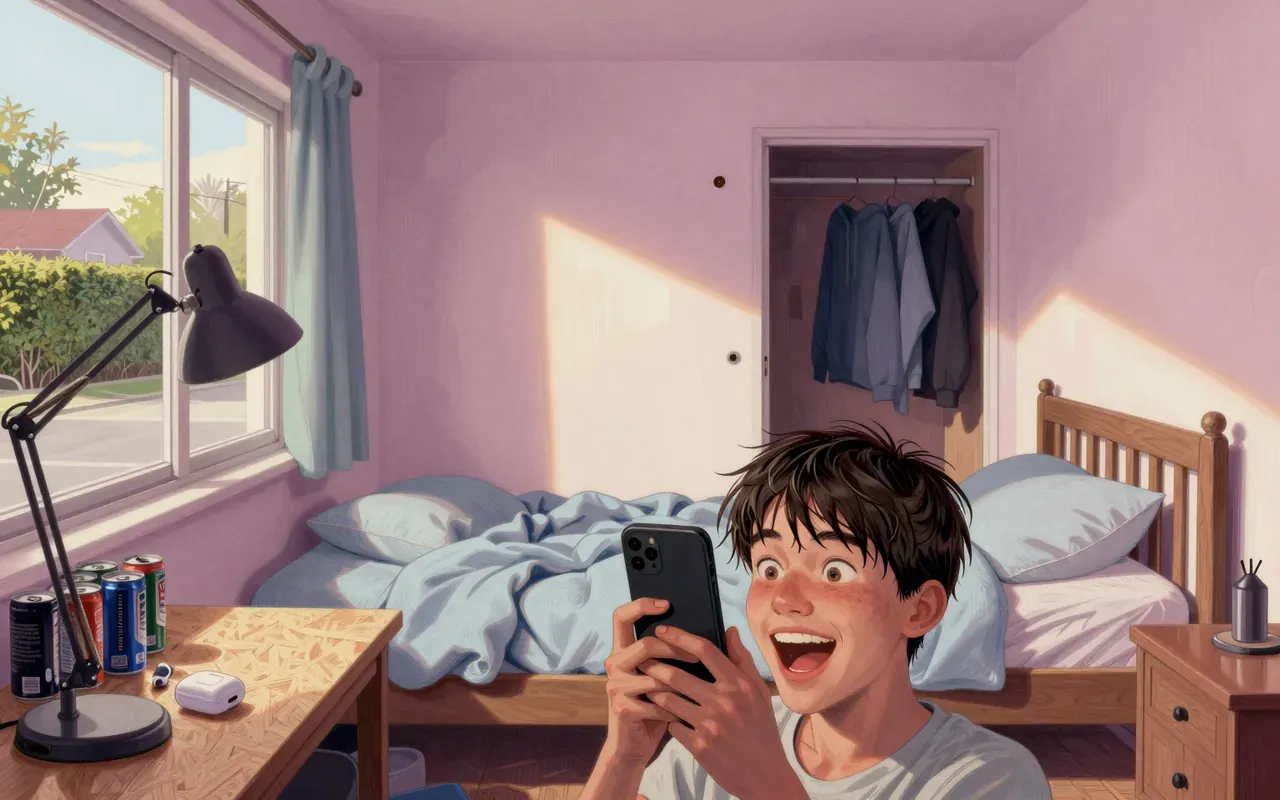
Internet challenges are filmed dares designed for replication. They echo childhood games but operate inside meme culture. They thrive on teenage desire for attention. Some kill. Platforms ban them — then users migrate. Nothing changes except the interface.

Chapters & takeaways5
  1. 0:43
    What it is

    An internet challenge is a filmed action, followed by a dare — not performance art, not satire, but a replicable unit of engagement.

  2. 1:41
    Where it came from

    They are not born online — they are old games refilmed, repackaged, and stripped of adult supervision.

  3. 2:53
    Who it’s for

    Teenagers do them for attention and validation — not rebellion, not irony, but the most basic currency of social media.

  4. 4:09
    What it costs

    Some challenges cause injury or death — not as outliers, but as predictable outcomes of unmoderated replication.

  5. 5:07
    Where it went

    YouTube banned dangerous challenges — so participants moved to TikTok, where the same actions now spread faster and with less oversight.

Worth your time?

Yes. Study the whole thing.

3.5/ 5
What works
  • understanding attention economies
  • assessing platform accountability
  • recognising adolescent risk behaviour
What does not
  • culture/arts
  • culture/literature
  • culture/photography
  • culture/movements-and-scenes
Study it if
  • policymakers
  • platform designers
  • teachers
Skip it if
  • historians of avant-garde
  • curators of fine art
  • literary scholars
The written brief1 min read

What the thing is

Internet challenges are recorded dares or tasks performed on camera, then shared online with invitations for others to replicate them.

Where it came from

They descend from childhood dare games and some pre-digital challenges adapted into digital form.

What it gets right

It correctly identifies attention and social validation as core drivers for teenage participation.

What it gets wrong

It treats platform migration as a neutral shift, ignoring how TikTok’s design — not just its moderation — actively amplifies risk through algorithmic reward loops.

Why it matters now

Because dangerous challenges persist not despite platform policies, but because less-moderated services like TikTok profit from their virality — and no regulatory or technical intervention has disrupted that incentive.

Is it worth your time

It is worth your time if you need to understand how attention economies weaponise adolescent psychology — not as spectacle, but as infrastructure.
Same beat · Society4 of 286
8:48
Image macroImage macros are a digital interface—not an art form. They standardised how millions expressed irony, frustration and affiliation before platforms automated tone and stripped away authorship. Their rigidity enabled scale. Their simplicity enabled theft. Their legacy isn’t humour—it’s the template as infrastructure.
9:10
Self-managed social centerSelf-managed social centers are anti-authoritarian, volunteer-run spaces that operate as infoshops, free schools, bicycle workshops and concert venues. They began in Italy in the 1980s and spread to the US and UK in the 1990s. They oppose gentrification and megaprojects. They create and practice the commons. They are transient, precarious, and politically active—but do not survive long enough to institutionalise what they prefigure.
10:00
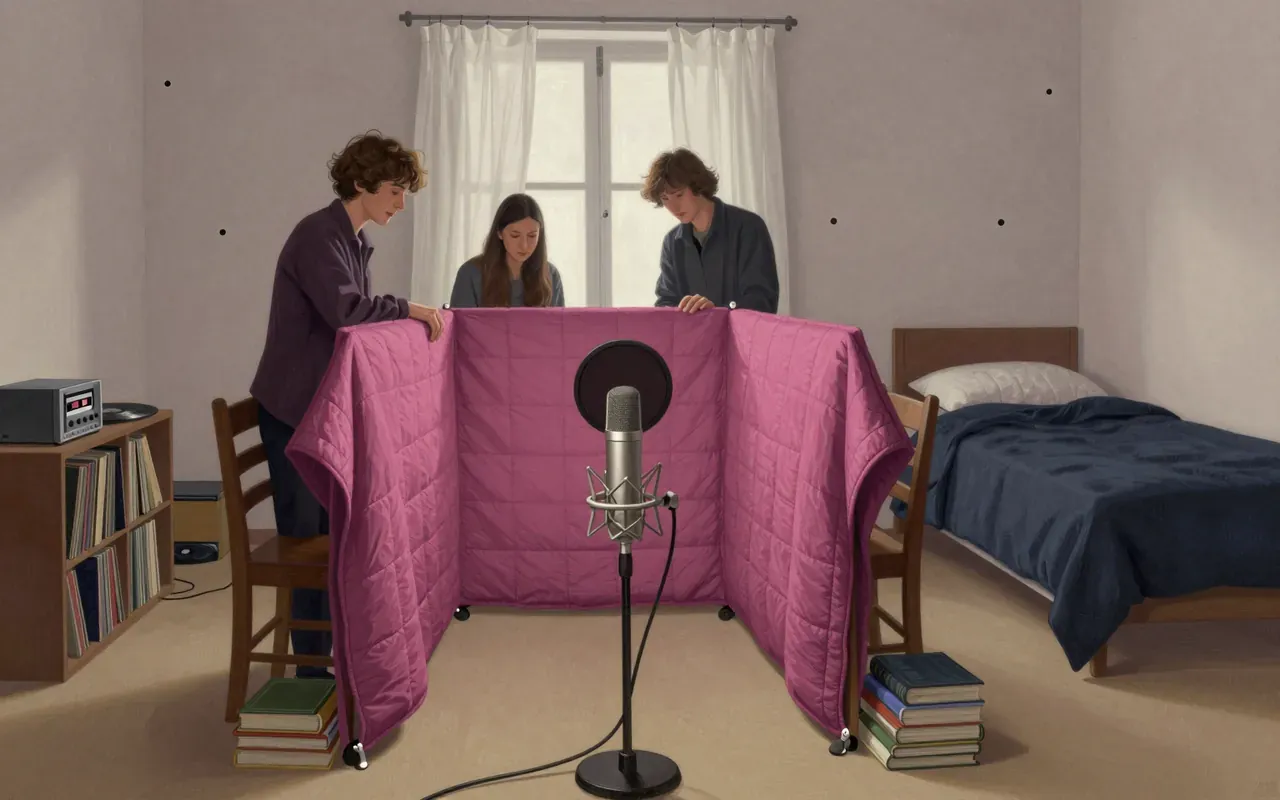
Home recordingHome recording is sound captured in private homes—not studios. It began with isolated pioneers in the US, UK, Australia, and Jamaica in the 1950s–1970s. The 1979 Portastudio enabled consumer multitrack recording. Digital recorders and DAWs replaced analog in the 1990s. Lockdowns in 2020 caused a global surge in home-based artists and microgenres. Untreated rooms produce misleading acoustics that compromise mixing. Professional studios have been heavily impacted over the last two decades.
10:02
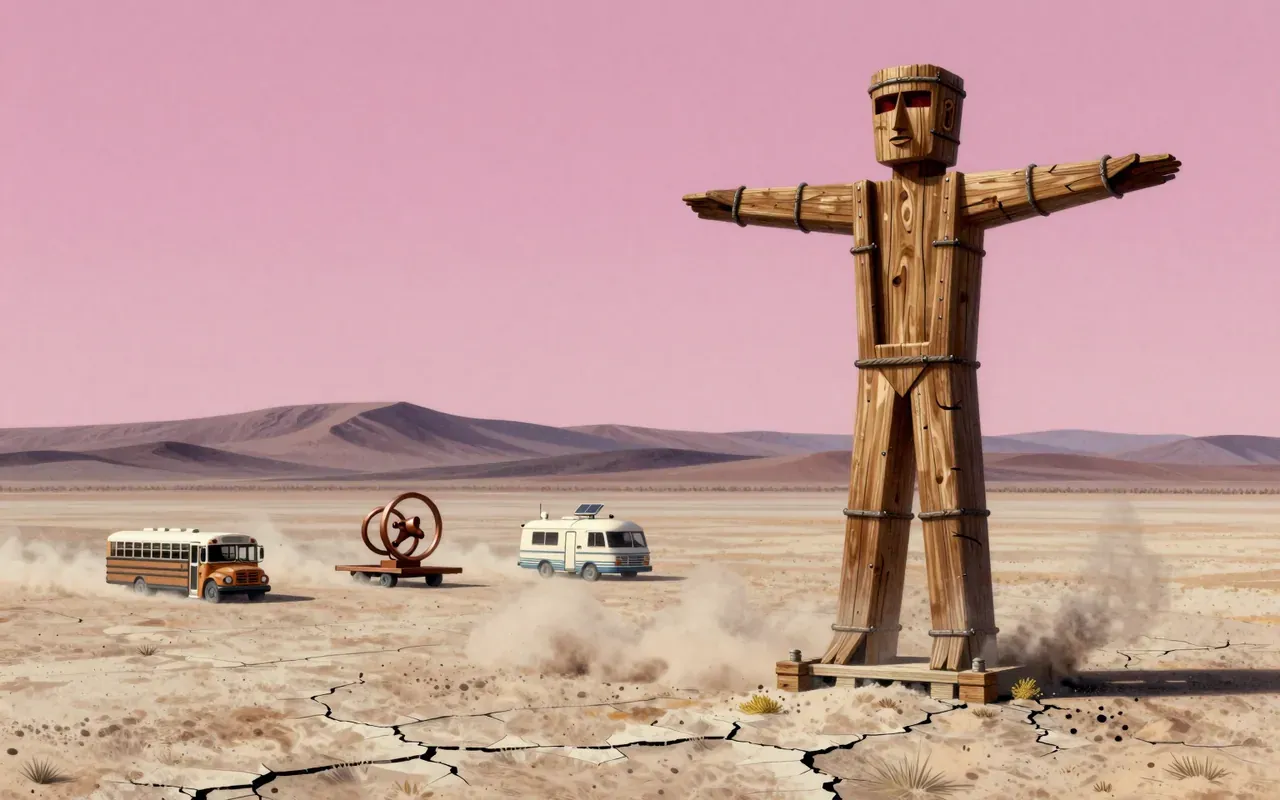
Burning Man1986Burning Man is a participant-built desert gathering named for the ceremonial burning of a wooden effigy—the Man—on the Saturday before Labor Day. It began on Baker Beach in 1986, moved to the Black Rock Desert in 1990, and operates on radical self-reliance, communal effort, and theme-driven art made solely by attendees. Its ten principles were codified in 2004—not at origin—and its model has since been replicated, commercialised, and contested. It is neither pure counterculture nor corporate spectacle, but a documented instance of how ritual, place, and principle diverge over time.
Up next in Culture

IRC subculture

· 7:56

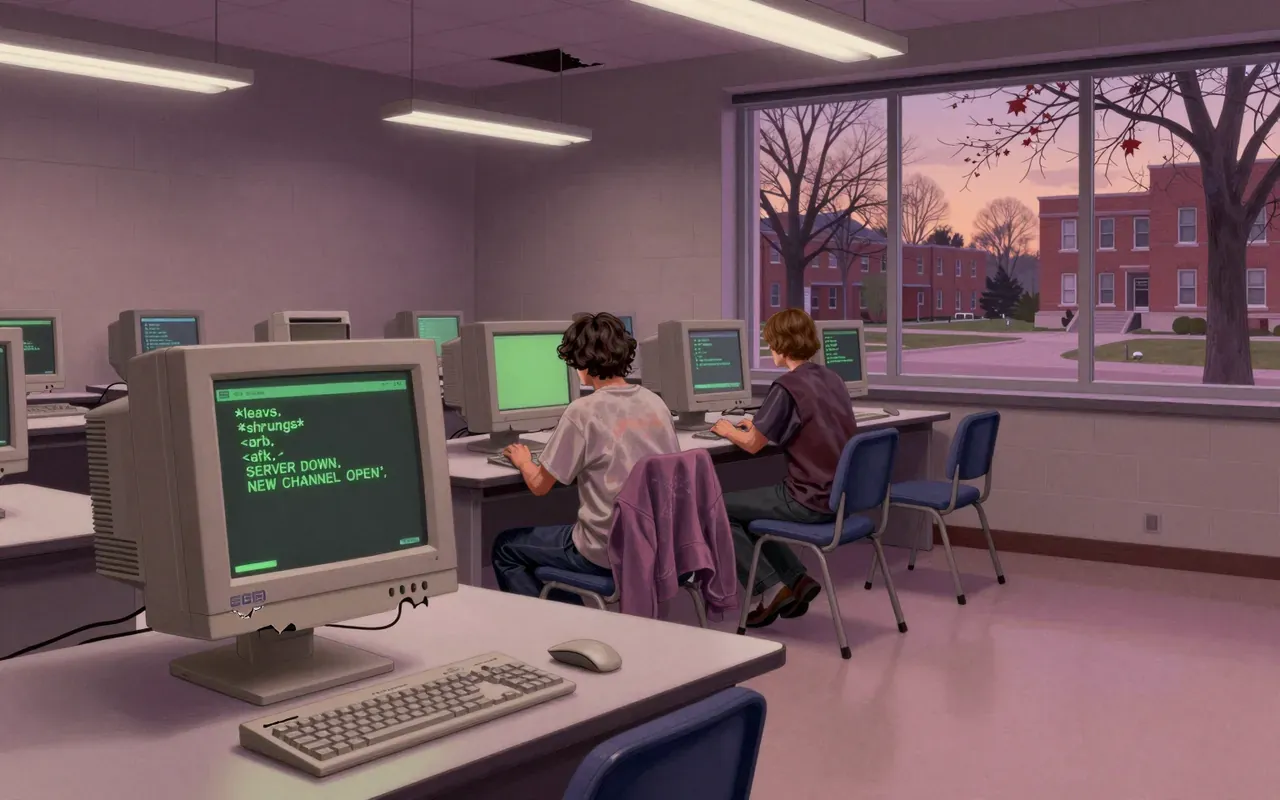
IRC subculture invented the grammar of real-time text talk—before likes, replies, or algorithms existed.

7:56