What the thing is
Music piracy is unauthorized copying and distribution of musical compositions and sound recordings.
Where it came from
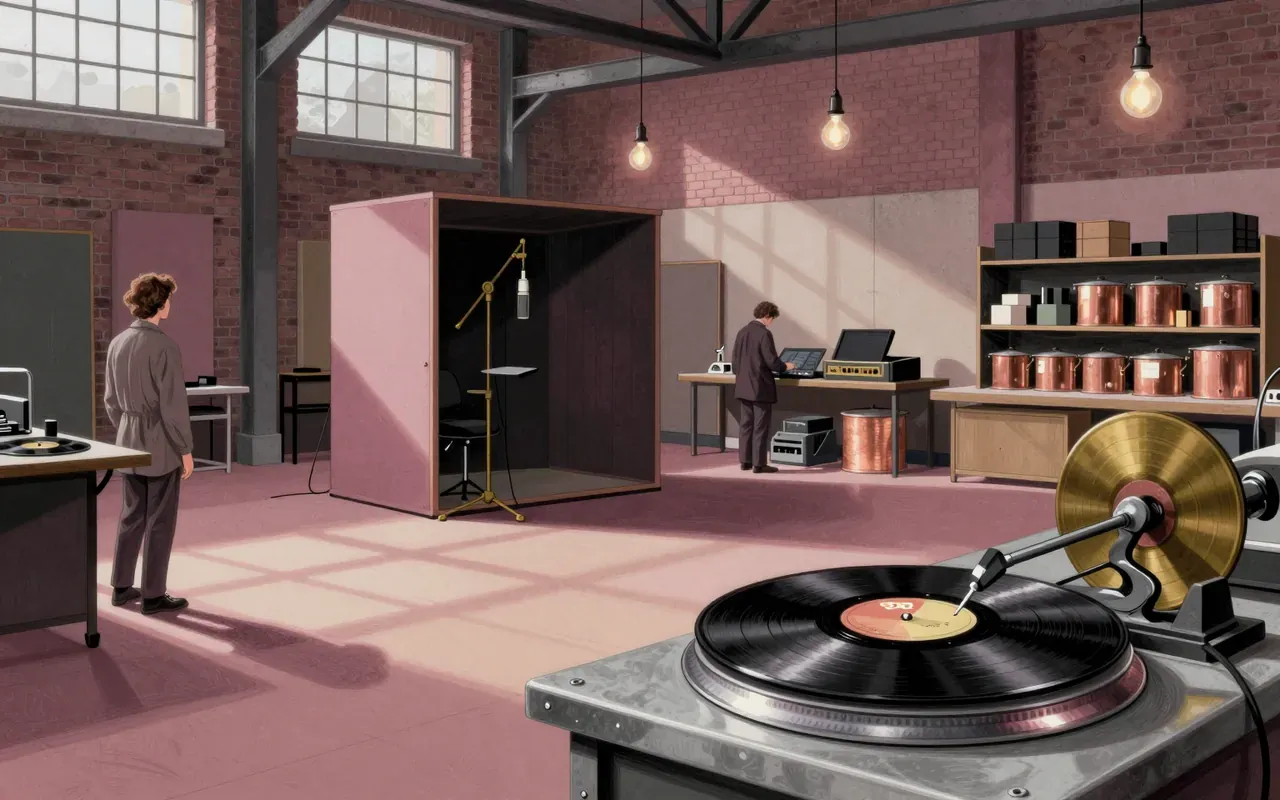
It began widely in the United States at the turn of the 20th century, driven by mechanical reproduction technologies and copyright loopholes that let companies sell piano rolls and phonograph records without compensating composers or performers.
What it gets right
It correctly identifies music piracy as a structural response to legal gaps—not moral failure. It shows piracy emerged where technology outpaced rights: piano rolls, phonograph records, tapes, files.
What it gets wrong
It treats piracy as a unified phenomenon across centuries. Sheet music copying, tape duplication and BitTorrent sharing operated under different economic logics, enforcement regimes and cultural norms.
Why it matters now
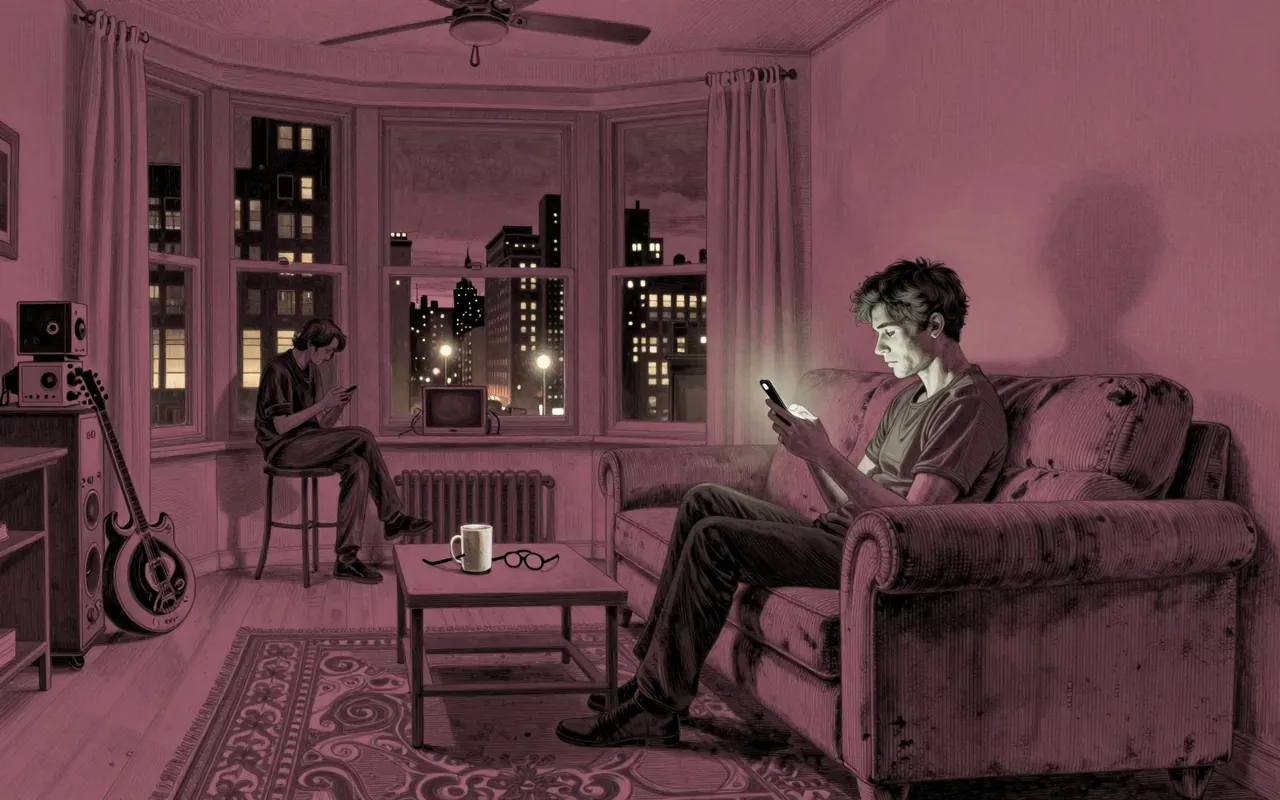
Because today’s streaming royalties, AI training data disputes, and platform liability debates replay the same tensions: who controls the copy, who profits from the reproduction, and whose labour disappears into the mechanism.
Is it worth your time
Yes—if you want to understand how copyright law, technology and artist compensation have been locked in combat for over a century.