culturebriefs
10:47in productionCh. 1 · A label made in outrage/ 10:47 · ceiling 15 min
Society · Movements & scenes

Video nasty

‘Video nasty’ wasn’t a genre — it was a prosecutorial checklist dressed as cultural critique.

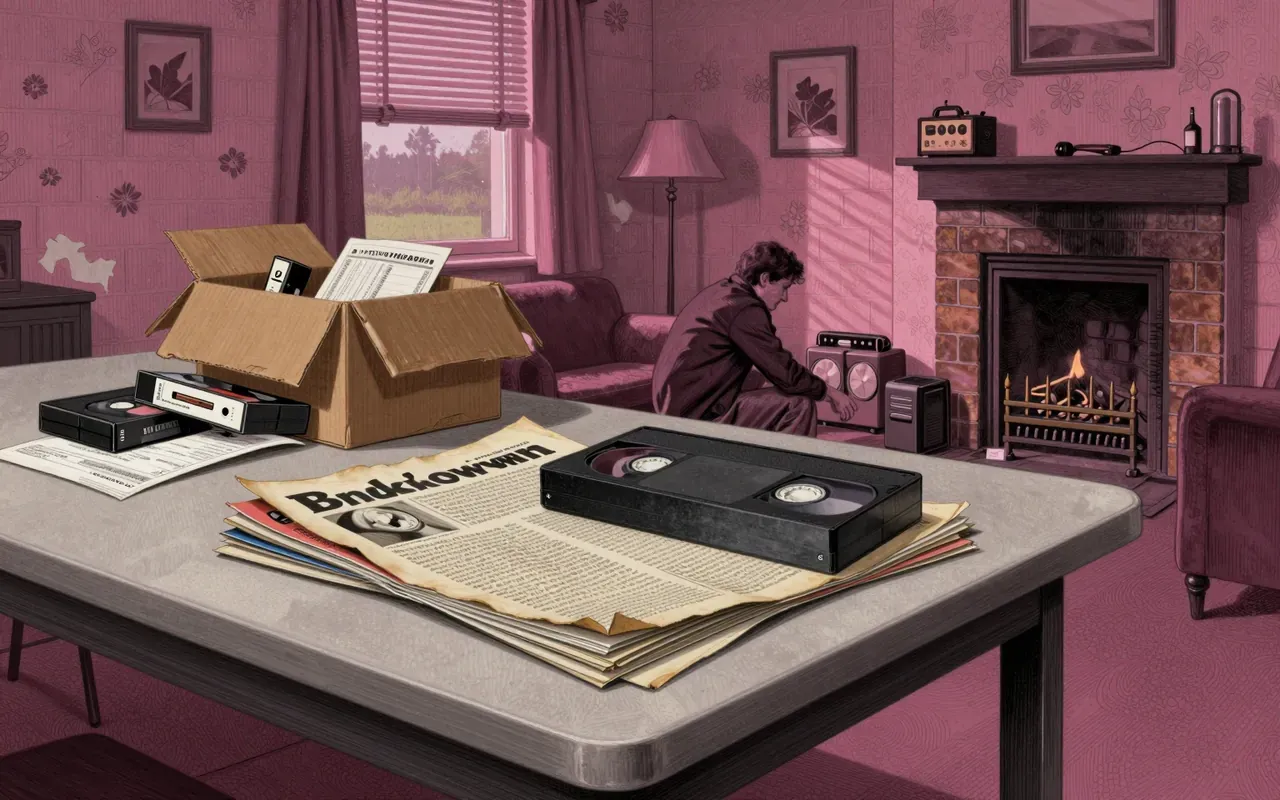
A UK moral panic over unclassified VHS tapes led to the Video Recordings Act 1984 — a law that still enforces stricter censorship on home video than cinema.

Chapters & takeaways4
  1. 1:02
    A label made in outrage

    The term was weaponised by the NVLA — not coined by fans or filmmakers — and entered public consciousness via advertising scandal.

  2. 2:44
    Not banned. Unreviewed.

    The ‘nasties’ existed because of a legal loophole — not artistic intent — and were defined by prosecution, not content.

  3. 4:08
    Law made from panic

    DPP prosecutions led directly to the Video Recordings Act 1984 — the first UK law to impose stricter controls on home video than cinema.

  4. 6:14
    Still on the books

    The Act’s stricter video censorship remains in force — re-enacted unchanged in 2010 after a legislative error voided the original.

Worth your time?

Yes. Study the whole thing.

4/ 5
What works
  • legal-history
  • media-regulation
  • moral-panic
What does not
  • film-music
  • cinematography
  • directing
  • editing
Study it if
  • policy-makers
  • media-law-students
  • film-historians
Skip it if
  • horror-fans-seeking-recommendations
  • filmmakers-looking-for-inspiration
The written brief1 min read

What the thing is

A colloquial label for unclassified VHS horror and exploitation films sold in the UK before 1985.

Where it came from

The NVLA popularised it in early 1980s Britain, after Vipco’s full-page ads for The Driller Killer sparked complaints in 1982.

What it gets right

It names a real regulatory gap. Unclassified VHS tapes flooded the market because the law did not cover them.

What it gets wrong

It treats 72 films as a coherent category. They shared no aesthetic, origin or intent — only prosecution.

Why it matters now

The Video Recordings Act 1984 — born from this panic — still governs UK video certification today, re-enacted in 2010.

Is it worth your time

Yes — if you want to understand how UK video censorship was built on moral panic, not evidence.

Same beat · Society4 of 277
8:48
Image macroImage macros are a digital interface—not an art form. They standardised how millions expressed irony, frustration and affiliation before platforms automated tone and stripped away authorship. Their rigidity enabled scale. Their simplicity enabled theft. Their legacy isn’t humour—it’s the template as infrastructure.
9:10
Self-managed social centerSelf-managed social centers are anti-authoritarian, volunteer-run spaces that operate as infoshops, free schools, bicycle workshops and concert venues. They began in Italy in the 1980s and spread to the US and UK in the 1990s. They oppose gentrification and megaprojects. They create and practice the commons. They are transient, precarious, and politically active—but do not survive long enough to institutionalise what they prefigure.
10:00
Home recordingHome recording is sound captured in private homes—not studios. It began with isolated pioneers in the US, UK, Australia, and Jamaica in the 1950s–1970s. The 1979 Portastudio enabled consumer multitrack recording. Digital recorders and DAWs replaced analog in the 1990s. Lockdowns in 2020 caused a global surge in home-based artists and microgenres. Untreated rooms produce misleading acoustics that compromise mixing. Professional studios have been heavily impacted over the last two decades.
10:02
Burning Man1986Burning Man is a participant-built desert gathering named for the ceremonial burning of a wooden effigy—the Man—on the Saturday before Labor Day. It began on Baker Beach in 1986, moved to the Black Rock Desert in 1990, and operates on radical self-reliance, communal effort, and theme-driven art made solely by attendees. Its ten principles were codified in 2004—not at origin—and its model has since been replicated, commercialised, and contested. It is neither pure counterculture nor corporate spectacle, but a documented instance of how ritual, place, and principle diverge over time.
Up next in Culture

VTuber

2010 · 8:54

VTubers aren’t about avatars—they’re about offloading embodiment so platforms can scale personality.

8:54