culturebriefs
10:36in productionCh. 1 · What it is/ 10:36 · ceiling 15 min
Society · Ideas

Celebrity branding

Celebrity branding doesn’t sell products—it sells borrowed trust, and trust evaporates the moment the celebrity stumbles.

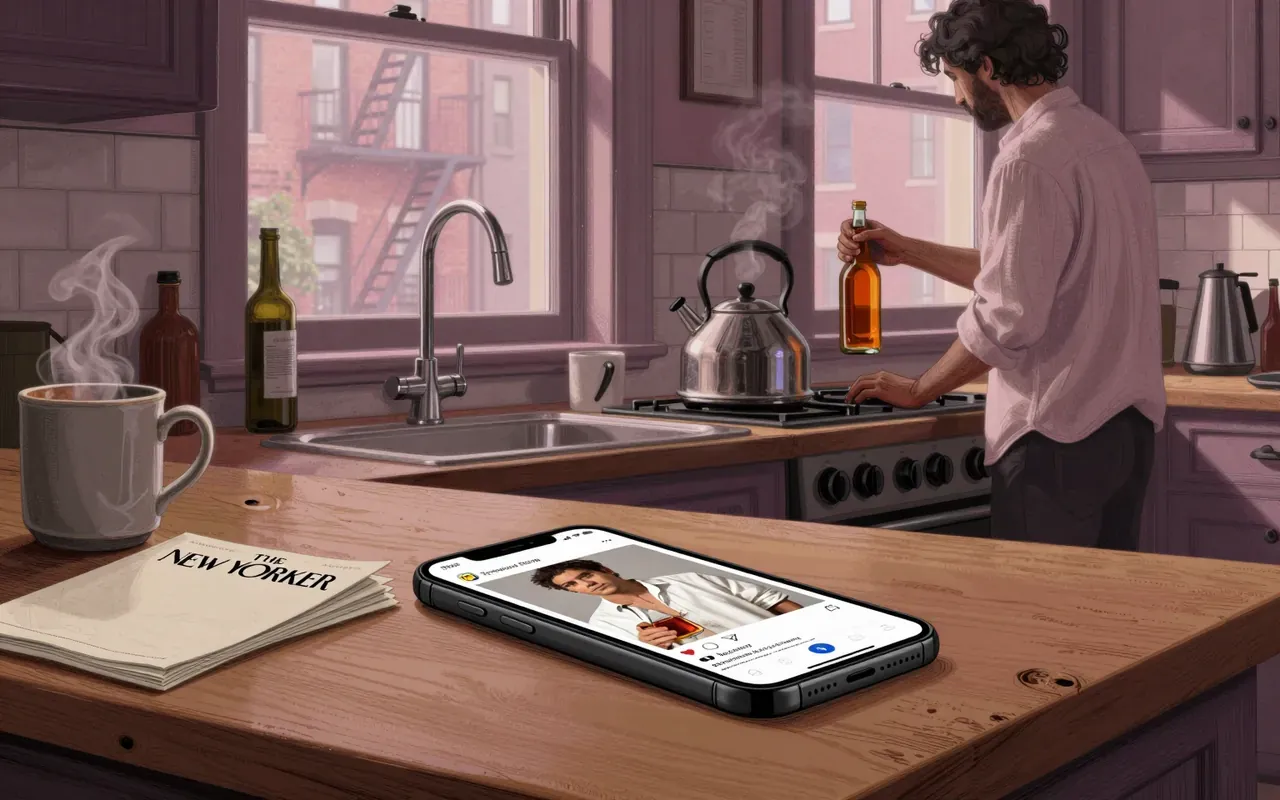
Celebrity branding is a marketing method using a well-known person to promote a product, service, or cause. It originated with Lillie Langtry’s 1882 Pears Soap endorsement. It relies on image transfer to boost attention and trust. Empirical studies confirm its effectiveness—especially online—but also document steep financial and reputational risks when the match-up fails or scandals erupt. Modern developments include influencer marketing, mandatory disclosure, and celebrity-owned product lines.

Chapters & takeaways6
  1. 1:00
    What it is

    Celebrity branding is not influence or fandom—it is a deliberate marketing method using a known person to promote something.

  2. 2:19
    How it evolved

    It evolved from Victorian soap posters to 1980s co-branded product lines—shifting from image association to full commercial integration.

  3. 3:37
    Where it works

    On social media, celebrity endorsements deliver 17–21× higher click-through rates than non-endorsed ads.

  4. 4:55
    Where it fails

    One scandal can erase gains: Tiger Woods’ 2009 fallout cost Nike $1.7 million and 105,000 customers.

  5. 6:01
    The core mechanism

    Its logic rests entirely on image transfer—the idea that a celebrity’s positive traits stick to the brand.

  6. 7:19
    The scale before algorithms

    By 1989, 75% of sports-related products used athlete endorsements—proof of scale before digital amplification.

Worth your time?

Yes. Study the whole thing.

3.5/ 5
What works
  • as a tool for attention capture
  • as a measure of cultural alignment
What does not
  • culture/art
  • culture/arts
  • culture/cities
  • culture/generations
Study it if
  • marketers
  • media strategists
  • cultural analysts
Skip it if
  • historians without primary sources
  • fans seeking validation
The written brief1 min read

What the thing is

Celebrity branding is a marketing method that uses a well-known person to promote a product, service, or cause.

Where it came from

It began with Lillie Langtry endorsing Pears Soap in 1882. By 1945, movie stars had replaced athletes as dominant endorsers. In the 1980s, companies formalised it into co-branded products—like Nike’s Michael Jordan line.

What it gets right

It exploits the measurable boost in attention and trust that comes from image transfer. Social media endorsements deliver 17–21× higher click-through rates and 50% better cost-per-action than non-endorsed ads.

What it gets wrong

It assumes credibility is transferable. The Tiger Woods scandal cost Nike $1.7 million in sales and nearly 105,000 customers—proof that mismatch or misconduct collapses the transfer instantly.

Why it matters now

Because influencer marketing and FTC-mandated disclosure have made celebrity branding more visible, more regulated, and more financially exposed than ever before.

Is it worth your time

Yes—if you work in marketing, media, or culture, and need to understand how image transfer operates as a lever, not a magic wand.

Same beat · Society4 of 286
8:48
Image macroImage macros are a digital interface—not an art form. They standardised how millions expressed irony, frustration and affiliation before platforms automated tone and stripped away authorship. Their rigidity enabled scale. Their simplicity enabled theft. Their legacy isn’t humour—it’s the template as infrastructure.
9:10
Self-managed social centerSelf-managed social centers are anti-authoritarian, volunteer-run spaces that operate as infoshops, free schools, bicycle workshops and concert venues. They began in Italy in the 1980s and spread to the US and UK in the 1990s. They oppose gentrification and megaprojects. They create and practice the commons. They are transient, precarious, and politically active—but do not survive long enough to institutionalise what they prefigure.
10:00
Home recordingHome recording is sound captured in private homes—not studios. It began with isolated pioneers in the US, UK, Australia, and Jamaica in the 1950s–1970s. The 1979 Portastudio enabled consumer multitrack recording. Digital recorders and DAWs replaced analog in the 1990s. Lockdowns in 2020 caused a global surge in home-based artists and microgenres. Untreated rooms produce misleading acoustics that compromise mixing. Professional studios have been heavily impacted over the last two decades.
10:02
Burning Man1986Burning Man is a participant-built desert gathering named for the ceremonial burning of a wooden effigy—the Man—on the Saturday before Labor Day. It began on Baker Beach in 1986, moved to the Black Rock Desert in 1990, and operates on radical self-reliance, communal effort, and theme-driven art made solely by attendees. Its ten principles were codified in 2004—not at origin—and its model has since been replicated, commercialised, and contested. It is neither pure counterculture nor corporate spectacle, but a documented instance of how ritual, place, and principle diverge over time.
Up next in Culture

Clubbing (subculture)

· 8:00

Clubbing was never about dancing—it was about claiming space when every other door was locked.

8:00