culturebriefs
Topic

Advertising

The industry that pays for most of the culture and is rarely credited.
25
in culture
9:14
average
231 min
in total
77
across the network
Advertising across the network →
All briefs25
9:17

Barbie

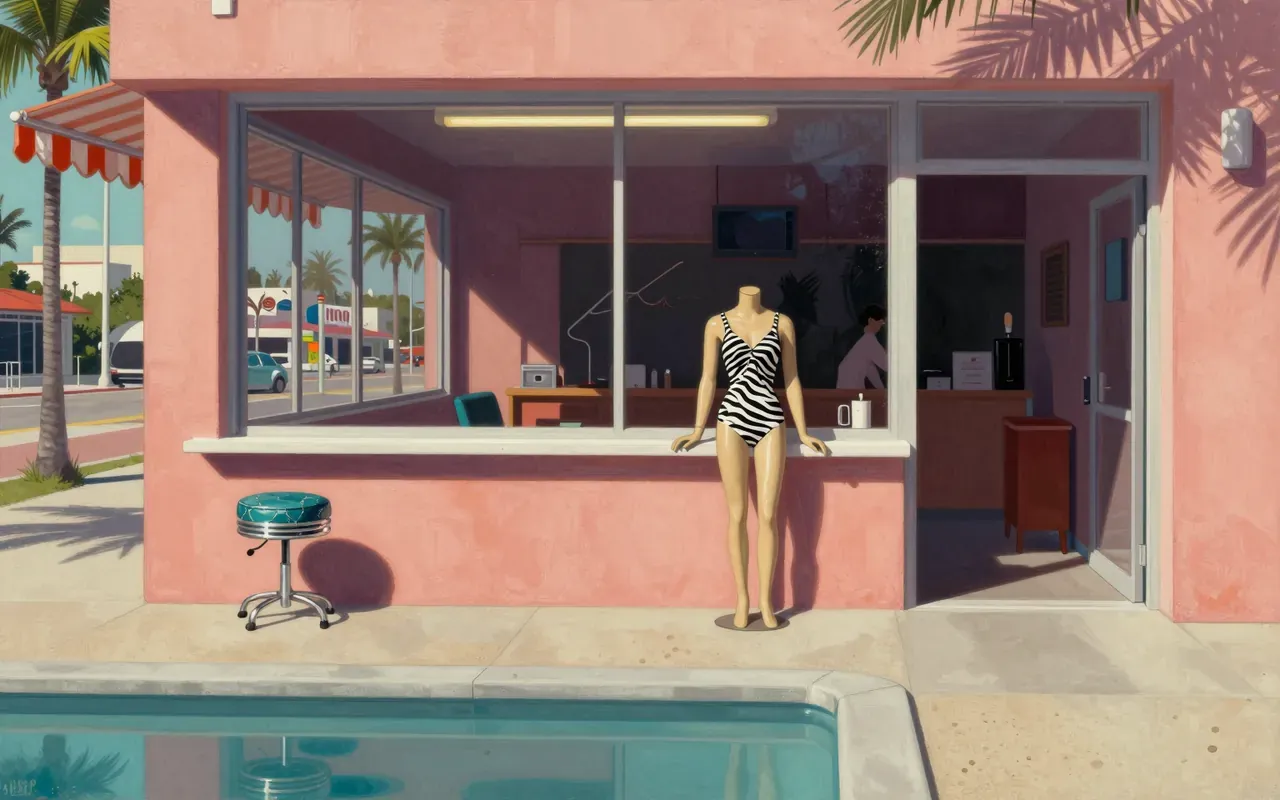
Barbie didn’t give girls choices—it gave them costumes for adulthood, and sold the wardrobe first.
10:36

Celebrity branding

Celebrity branding doesn’t sell products—it sells borrowed trust, and trust evaporates the moment the celebrity stumbles.
9:50

Consumer identity

Consumer identity is not who you are—it’s how brands make you legible to themselves.
9:44

Subliminal stimuli

Subliminal stimuli don’t hijack your will—they only nudge what you already intend to do.
9:24

Adbusters

Adbusters diagnosed media inequality in 1989—and never updated the remedy.
8:58

Clickbait

Clickbait isn’t lazy writing — it’s fraud dressed as curiosity.
8:35

Culture jamming

Culture jamming doesn’t break the system—it just makes the system quote itself back at you.
8:44

Lifestyle Marketing

A hip-hop producer turned corporate jingles into a concept album—and revealed how much of American sound design was built to sell things.
9:04

Campaign advertising

Campaign advertising isn’t about democracy—it’s about control of attention, and the rules governing it are already broken.
8:22

Product placement

Product placement isn’t subtle advertising—it’s uncredited labour performed by the audience.
10:10

Viral marketing

Viral marketing isn’t organic—it’s sponsored distribution turbocharged by algorithms.
9:06

Yellow journalism

Yellow journalism wasn’t about lies—it was about selling papers by weaponising outrage, sympathy, and spectacle.
9:41

Attention economy

It’s not about distraction—it’s about who owns your finite cognitive time, and how they bill for it.
9:21

Jim Henson

He didn’t animate puppets—he rebuilt them as extensions of the human hand.
12:16

Andy Warhol

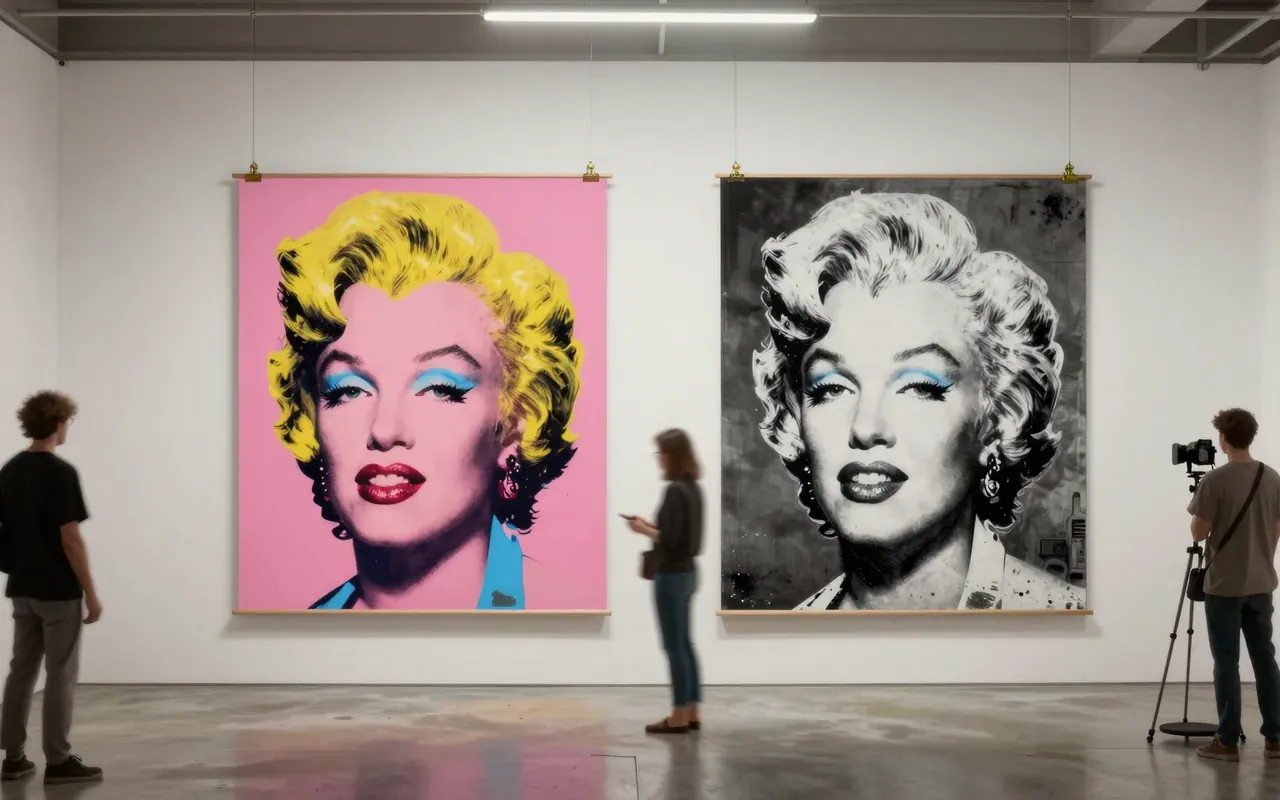
Warhol didn’t mirror consumer culture—he weaponised its machinery to expose art’s surrender to it.
9:30

Fashion photography

Richard Avedon

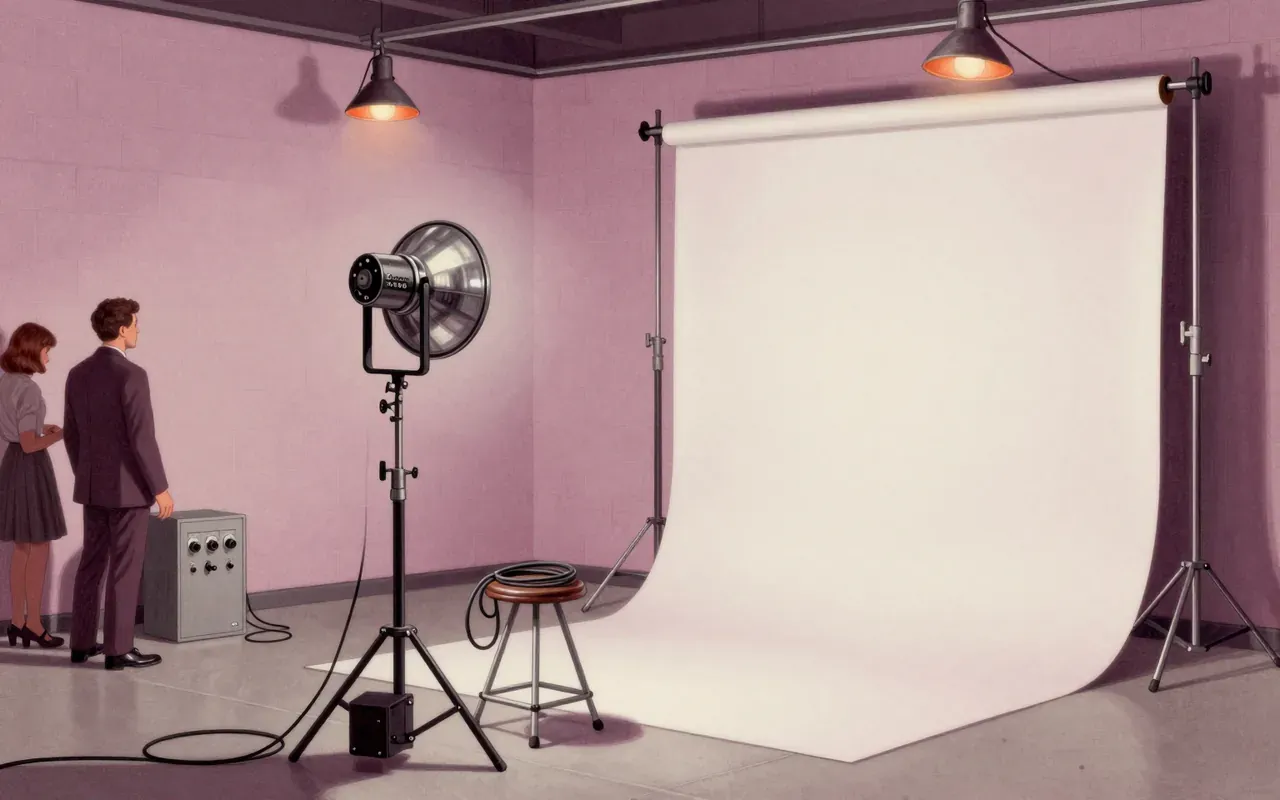
Avedon reoriented fashion photography away from garment display and toward psychological exposure. His studio-based, strobe-lit method eliminated contextual cues—exotic locations, props, soft light—to force attention onto the subject’s face, posture and tension. This served his aim: revealing untypical aspects of character. But it undermined fashion photography’s primary function—portraying clothing. His work helped define America’s image of style and beauty, yet did so by diminishing the very thing being sold.
9:58

Pop art

Pop art didn’t celebrate consumer culture—it weaponised its grammar to expose art’s own pretensions.
8:46

Street art

Street art isn’t rebellion—it’s a negotiation over who gets to speak where, and on what terms.