What the thing is
Barbie is a fashion doll franchise launched by Mattel in 1959.
Mattel has sold over a billion Barbie dolls, making it the company’s largest and most profitable line, and a large portion of Barbie’s revenue comes from related merchandise: accessories, clothes, friends and relatives. Since 1984 the brand has also grown into a multimedia franchise of video games, animated films, television series and a 2023 live-action film.
Where it came from
It originated from Ruth Handler’s 1956 encounter with the German Bild Lilli doll in Switzerland, then redesigned with Jack Ryan and named after her daughter Barbara.
At the time most children’s dolls represented infants. Handler suggested an adult-bodied doll to her husband Elliot, who was unenthusiastic, as were Mattel’s directors. Bild Lilli was based on a character in a satirical comic strip drawn by Reinhard Beuthin for the newspaper Bild and was first sold in West Germany in 1955; although sold at first to adults, it became popular with children who dressed her in outfits sold separately. Handler bought three.
What it gets right
Barbie gave girls a doll with adult proportions and adult roles. It reflected how Ruth Handler saw her daughter Barbara assign grown-up identities to paper dolls.
Putting the wardrobe centre-stage was a strategic decision by Handler. The original doll retailed for three dollars and the first clothes range was twenty-two ensembles priced between one and five dollars, and Mattel designed Barbie to drive garment sales after the first purchase. Analysts expected poor sales because of her adult appearance, and early market research found some parents unhappy about the doll’s chest. She sold about 350,000 units in her first year, and demand exceeded Mattel’s ability to produce her for three years. She was one of the first toys marketed mainly through television advertising.
What it gets wrong
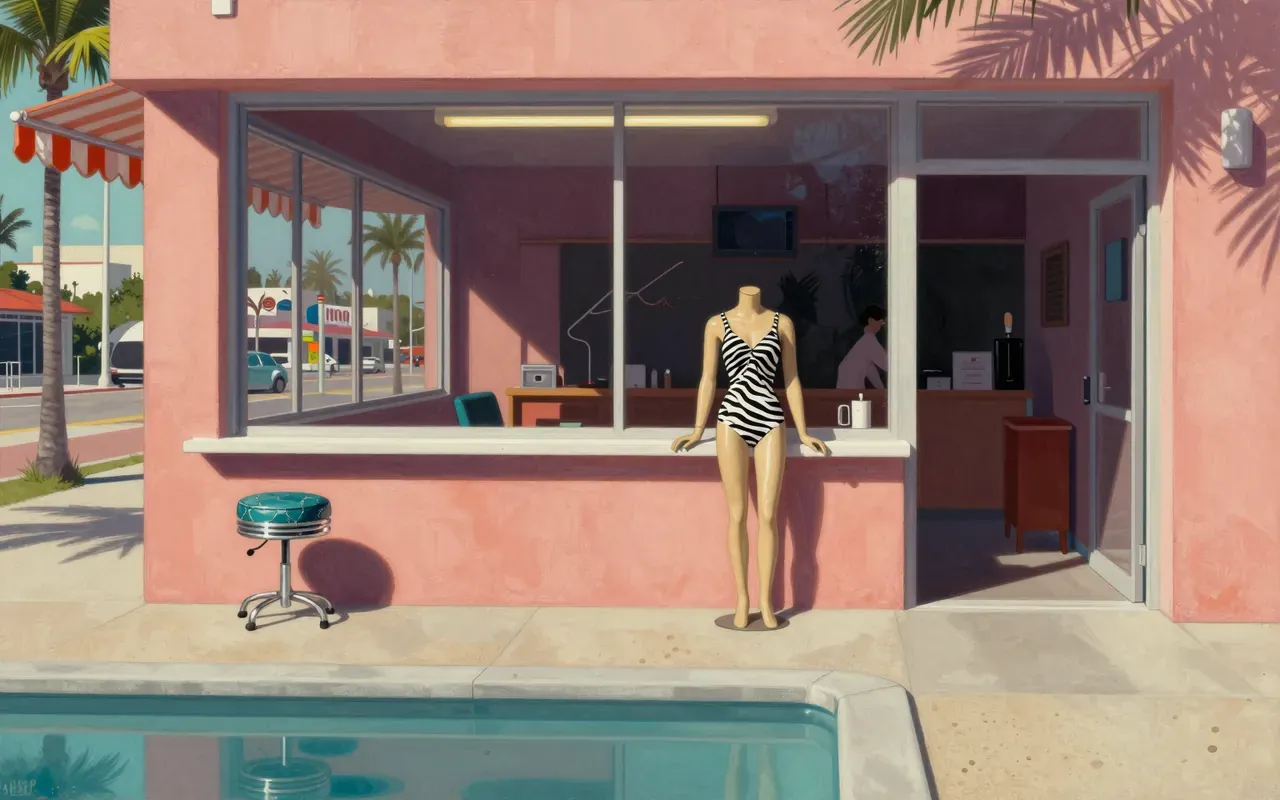
It displaced childlike imagination with fixed adult aesthetics: the zebra swimsuit, topknot ponytail, and rigid figure came pre-packaged as ideal—no room for ambiguity or imperfection.
The borrowing was contested. In March 1961 Louis Marx and Company, which had licensed Lilli, sued Mattel, claiming Barbie was a direct copy of Bild Lilli and that Mattel had falsely represented itself as originating the design. The case settled out of court in 1963, and in 1964 Mattel bought the Lilli copyright and patent rights from Greiner & Hausser for $21,600. The 1992 Teen Talk Barbie drew criticism from the American Association of University Women for one of its 270 possible phrases, a line that math class is tough, and Mattel stopped using it that October.
Why it matters now
Barbie remains a live site of cultural negotiation—between aspiration and constraint, representation and erasure—because its core mechanism (wardrobe-driven consumption) still defines how identity is sold to children.
The 2023 film triggered a fashion trend known as Barbiecore. On range, “Colored Francie” in 1967 was made with the existing head molds, that Christie in 1968 is usually regarded as the first African-American doll in the line, and that new molds were created only after a 1990 focus group. Mattel expanded its So In Style line in 2016, partly because of declining sales; Barbie sales fell sharply from 2014 to 2016.
Is it worth your time
Yes—if you want to understand how a toy redefined play as consumption, and how adult fantasies were built into children’s hands before the word ‘influencer’ existed.