8:08in productionCh. 1 · Where it lived/ 8:08 · ceiling 15 min
Subcultures · Fashion
New Romantic
1979
New Romantic wasn’t a movement—it was a costume change that ran out of venues.
New Romantic was a short-lived, visually dense UK subculture rooted in London and Birmingham nightclubs. It used historical fashion references and androgyny to oppose punk’s austerity. Richard James Burgess named it. It adopted escapism as doctrine. It dissolved by early 1982.
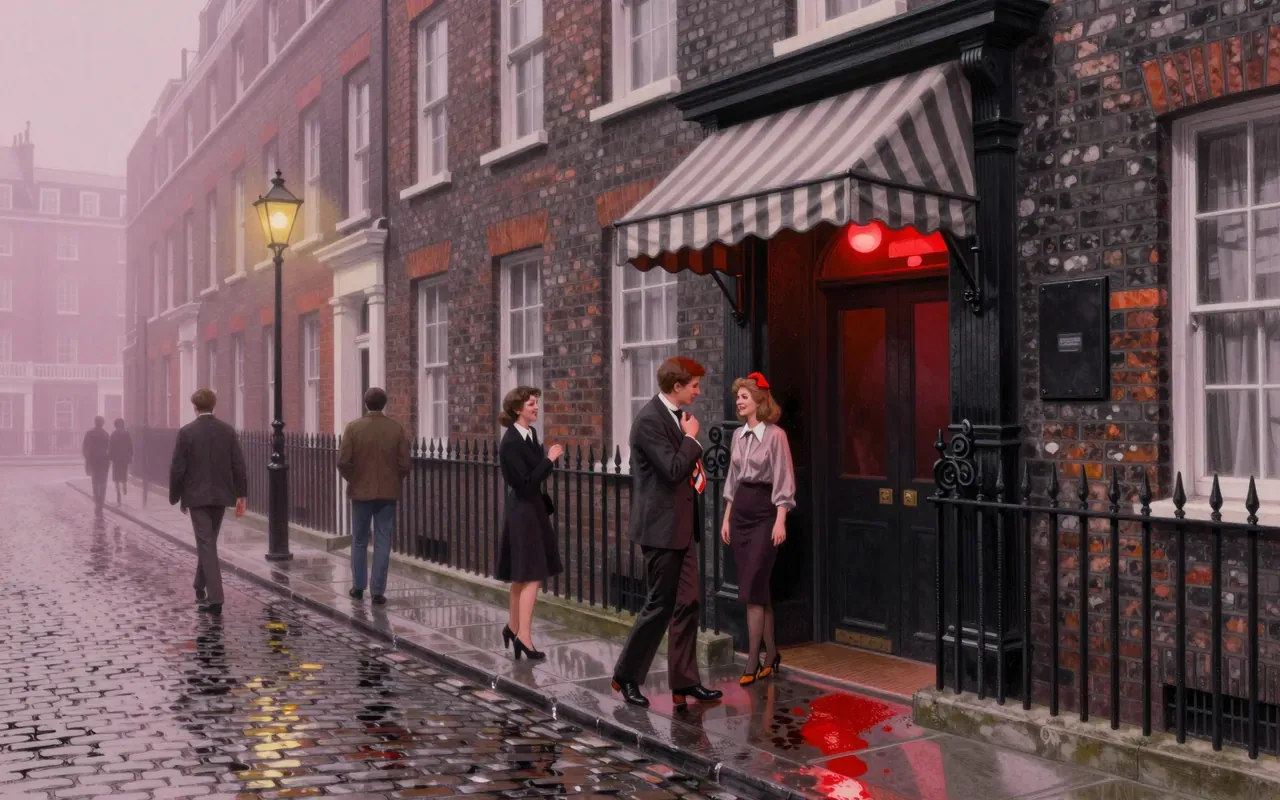
It began in clubs—not studios, not streets—but in the mirrored dark of Billy’s and The Blitz.
2:07
Who named it, and why
Richard James Burgess named it; glam rock and punk’s drift gave it purpose.
3:02
How it dressed
Frilly shirts, eyeliner, Pierrot collars—all were citations, not copies.
4:02
What it refused to face
Escapism was its method—and its limit.
5:15
How long it lasted
It lasted less than three years. By early 1982, it was already a memory.
Worth your time?
Yes. Study the whole thing.
3.5/ 5
What works
as a case study in aesthetic resistance
as evidence of how quickly subcultural capital evaporates
What does not
influence
define
launch
pioneer
Study it if
designers
club-goers
fashion historians
Skip it if
musicologists
political historians
sociologists of labour
The written brief1 min read
What the thing is
New Romantic was an underground UK subculture. It used historically layered, flamboyant fashion and androgynous presentation to stage a visual revolt against punk’s austerity.
Where it came from
It emerged from London and Birmingham nightclubs—Billy’s and The Blitz—in the late 1970s. Richard James Burgess named it. It drew from glam rock and reacted directly to punk’s evolution.
What it gets right
It rejected punk’s narrowing dogma with deliberate artifice. It made androgyny a collective gesture, not an individual statement. It treated clothing as citation, not costume.
What it gets wrong
Its escapist stance ignored the UK’s deepening recession. Its aspirationalism excluded working-class participants who couldn’t afford frills or club entry. It dissolved before it could codify its own rules.
Why it matters now
It shows how quickly a subculture can be stripped of its context and sold back as style. Its collapse by early 1982 proves that aesthetic rebellion without structural critique has a short shelf life.
Is it worth your time
Yes—if you care about how subcultures weaponise fashion to reject austerity, and how quickly they evaporate when co-opted.