Saved
Subcultures

Pinkydoll

NPC streaming wasn’t satire—it was the first pure interface performance: human as gift-response subroutine.

Worth your time?3.5/5Yes.Study the whole thing.What works, what does not, who it is for ↓
9:31in productionCh. 1 · Where It Began/ 9:31 · ceiling 15 min
4 chapters · 9:31Ceiling 15:00

The brief is written and checked. The video joins this page when it is cut.4 chapters · 1 min read · 9:31 planned

Read the brief

Pinkydoll’s NPC streaming was a tightly engineered response to TikTok’s gift economy—not art, not satire, but a precise, repeatable interface performance that turned viewer generosity into algorithmic fuel.

Chapters & takeaways4
  1. 0:54
    Where It Began

    A single comment—'you look like an NPC'—sparked a viral format that redefined livestreaming as reactive automation.

  2. 2:36
    How It Worked

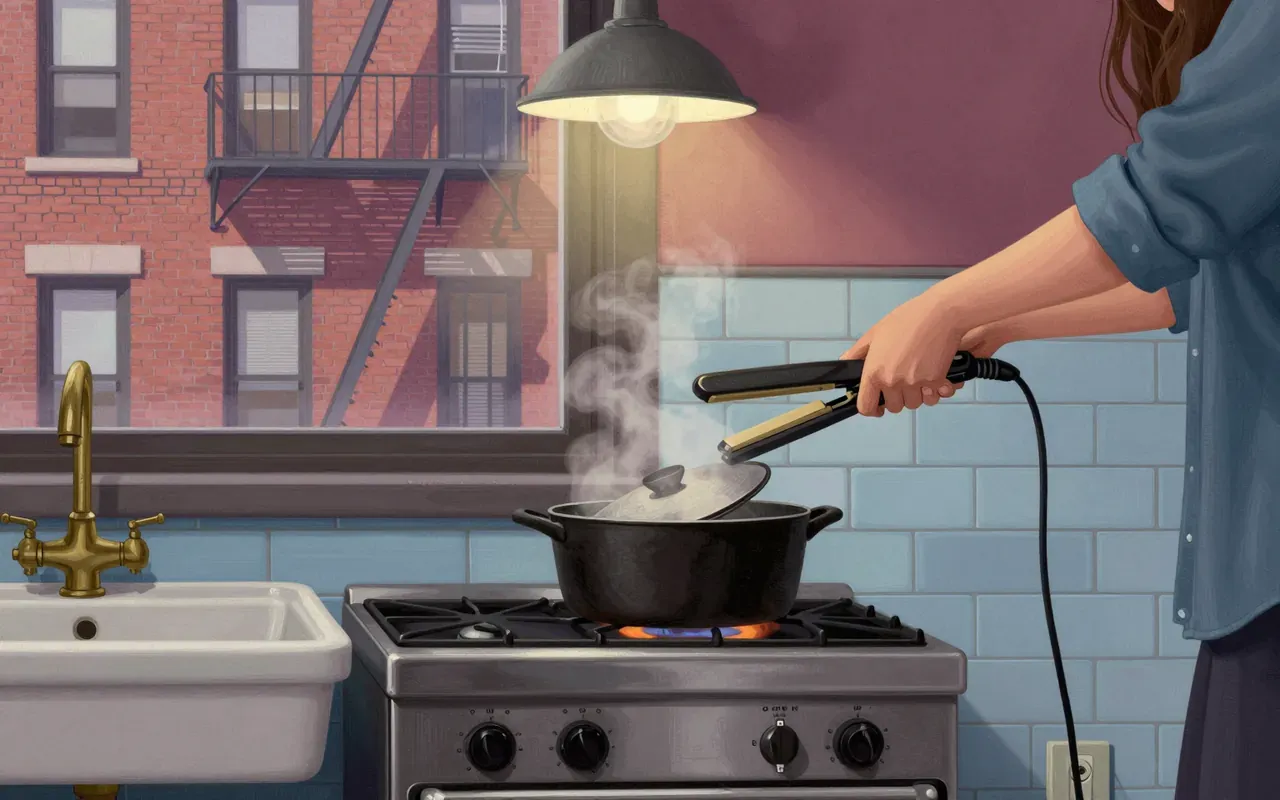
    Her streams fused domestic absurdity (popcorn with a hair straightener) with video game logic (GTA NPCs) to create a new kind of platform-native theatre.

  3. 3:52
    Why It Spread

    Two phrases—'ice cream so good' and 'gang gang'—became memes because they mapped perfectly to TikTok’s gift icons and triggered algorithmic sharing.

  4. 5:27
    What It Became

    By August 2023, she had over one million followers and released a song with Fashion Nova—proving the format could scale beyond the stream.

1 more chapterFewer chapters
Worth your time?

Yes. Study the whole thing.

3.5/ 5
What works
  • as a case study in platform-native behaviour
  • as evidence of gift-driven virality
  • as a marker of 2023’s attention economy
What does not
  • art
  • satire
  • commentary
Study it if
  • platform anthropologists
  • streaming strategists
  • meme historians
Skip it if
  • narrative consumers
  • craft-focused viewers
  • critics seeking intention
Who should study it, and who should skipHide who it is for
The written brief1 min read

What the thing is

Pinkydoll is a Canadian TikTok streamer who performed NPC livestreams: reacting to virtual gifts with fixed phrases and motions while popping popcorn with a hair straightener.

Where it came from

She began NPC streaming in January 2023 after a commenter compared her to a non-player character—then built the act around Grand Theft Auto NPCs and TikTok’s gifting interface.

What it gets right

It weaponises repetition as ritual. The mechanical phrases map precisely to virtual gifts—‘ice cream so good’ for the ice cream cone, ‘gang gang’ for the GG gift—turning TikTok’s monetisation layer into a performative feedback loop.

What it gets wrong

It collapses persona into parody without irony. The GTA NPC reference is surface-level; there’s no subversion of game logic, no commentary on automation, just mimicry stripped of critique.

Why it matters now

It crystallises a moment when platform-native performance bypassed traditional gatekeepers—not by skill or story, but by optimising for attention, gift triggers, and meme transmissibility.

Is it worth your time

Yes—if you want to understand how TikTok’s gift economy, algorithmic virality, and absurdist performance converged in mid-2023. No—if you expect narrative, craft, or sustained artistic intent.
Same beat · Subcultures4 of 101
9:24
Scene (subculture)Scene was a US adolescent subculture born in the early 2000s from emo, defined by skinny jeans, bright clothing, vividly dyed straight hair with long bangs, and MySpace as its central platform. It peaked mid-2000s to early 2010s. Its revival since 2019 has fed into e-girl/e-boy aesthetics and hyperpop—but its real legacy is proving how deeply platform constraints shape youth identity.
8:54
VTuber2010VTubers are online entertainers using computer-generated virtual avatars. They originated in Japan in the mid-2010s. Kizuna AI launched in late 2016 using the phrase 'virtual YouTuber'. Real-time motion capture is often used to animate them. They rely on software like Live2D. By 2020, over 10,000 were active. They operate across platforms beyond YouTube—including Twitch, Niconico, and Bilibili.
10:00
Video game cultureVideo game culture is not a monolith. It is a contested, evolving label for a global cohort bound by practice — not aesthetics or ideology. Its academic recognition lagged its social reality by decades. Its growth reflects infrastructure shifts — broadband, smartphones, pandemic isolation — not cultural consensus. It matters now because it reveals how identity forms around participation, not consumption.
10:10
TrollingTrolling is not a subculture. It is a contested label applied to behaviours ranging from digressive banter to targeted emotional harm. Its utility eroded when media conflated it with harassment—and its danger lies in that conflation.
Up next in Culture

Off-the-grid

· 9:04

Off-the-grid isn’t freedom—it’s a different kind of dependency.

9:04