What the thing is
Off-the-grid is a characteristic of buildings and a lifestyle designed independently without reliance on public utilities.
Where it came from
The term originated as a descriptor for disconnection from the electrical grid, later extending to water, gas, and sewer systems.
What it gets right
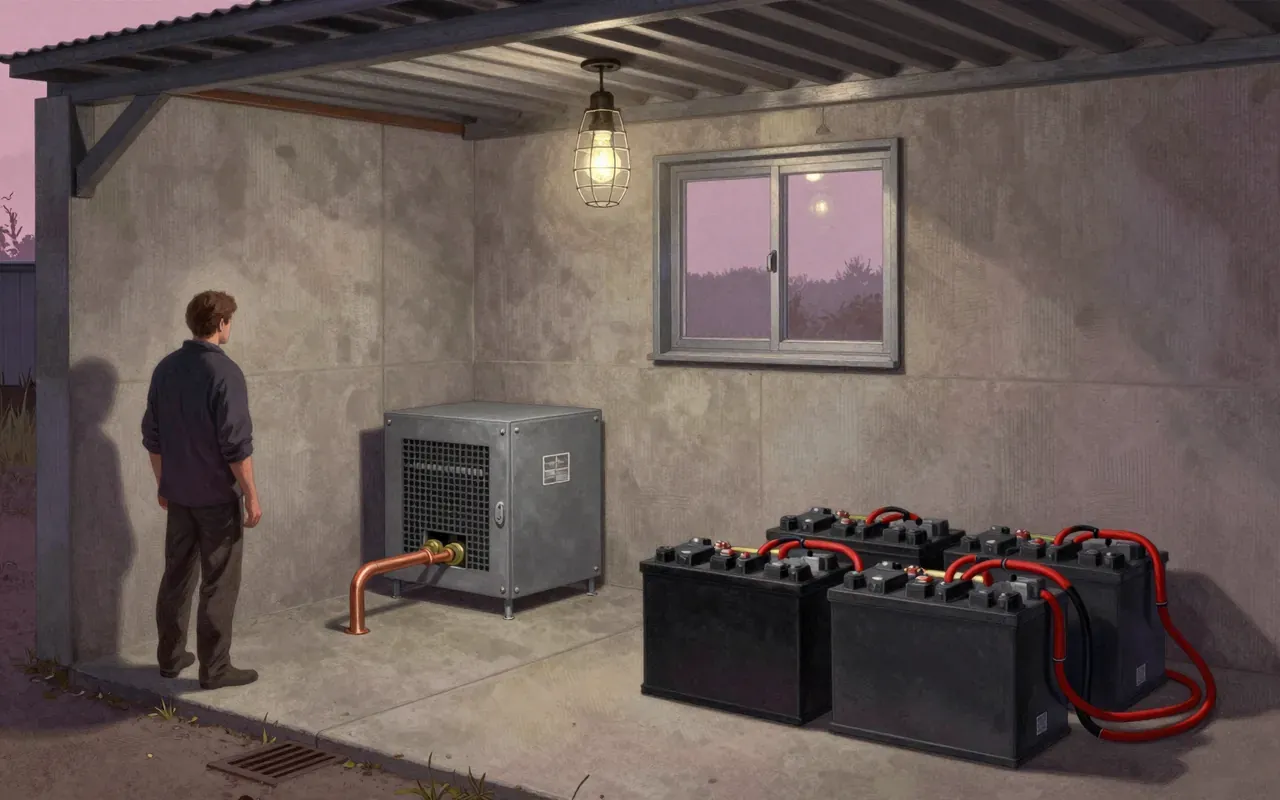
It delivers functional independence where centralised utilities fail. It works in isolated locations. It reduces environmental impact and cost of living for those who adopt it.
What it gets wrong
It implies total autonomy but relies on global supply chains for solar panels, batteries and micro-hydro turbines. It does not eliminate dependency—it relocates it.
Why it matters now
As climate disruption strains grids and energy costs rise, off-grid systems offer tested models for decentralised resilience—not as retreat, but as recalibration.
Is it worth your time
Yes—if you are weighing self-reliance against infrastructure dependence, or designing for resilience in unstable systems.