10:40in productionCh. 1 · What it replaces/ 10:40 · ceiling 15 min
Ideas · Society
Knowledge economy
The knowledge economy isn’t about what we know—it’s about who owns the right to decide what counts as knowledge.
The knowledge economy is a framework for organising value around ideas—not land or labour. It originated in mid-20th-century economics, not technology. It correctly names human capital and intellectual property as drivers of innovation. But it assumes equal access to knowledge infrastructure and treats all knowledge as equally portable, measurable and ownable. Its language still shapes education policy, tech investment and labour markets—despite failing to account for power, extraction or exclusion. Worth your time if you want to see how a technical definition became a political tool.
A knowledge economy replaces land and machinery with ideas—but only certain kinds of ideas, validated by certain institutions.
1:52
Who named it
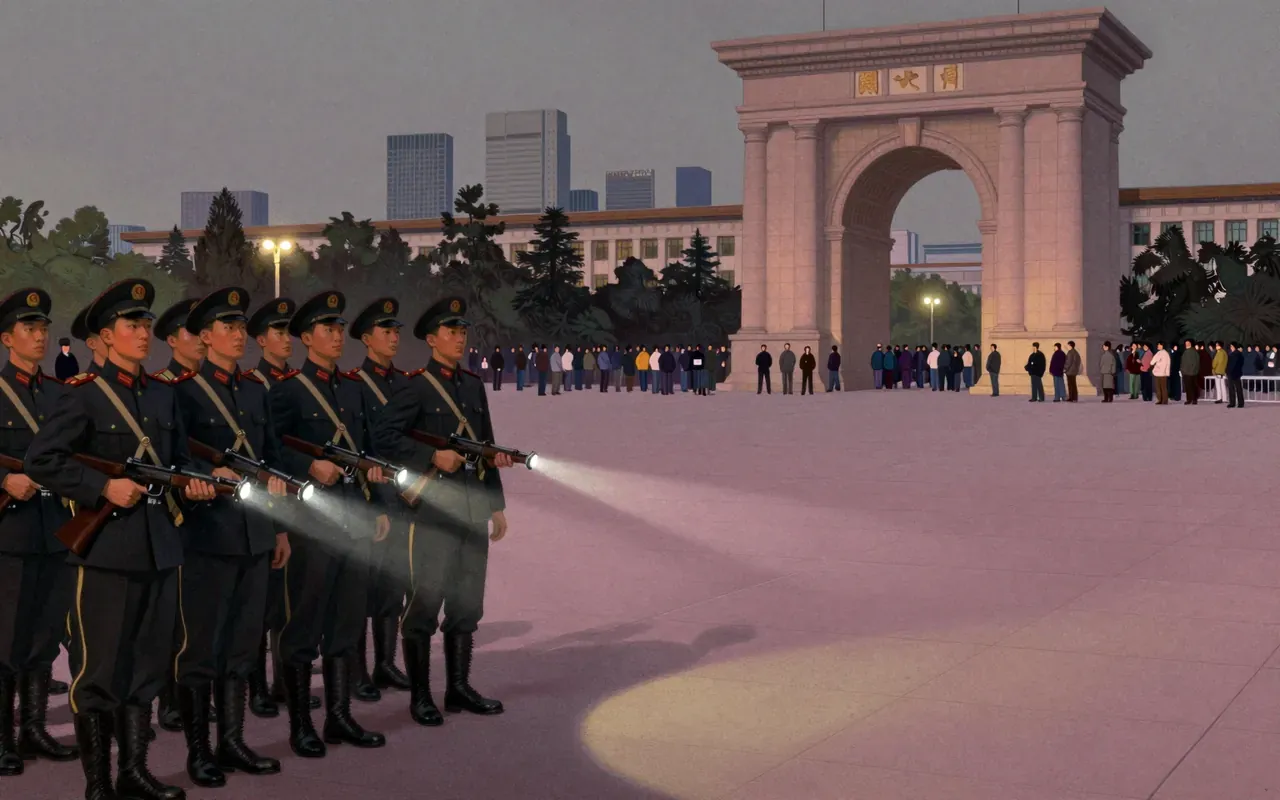
It was named in 1962 and branded in 1969—not discovered, but constructed by economists building on Taylorist management logic.
3:17
What it values
Human capital and intellectual property are treated as interchangeable engines of growth—despite having radically different legal, social and temporal lives.
4:26
What it requires
It demands problem-solving and interdisciplinary flexibility—but offers no mechanism for rewarding those skills outside corporate hierarchies.
5:40
What it obscures
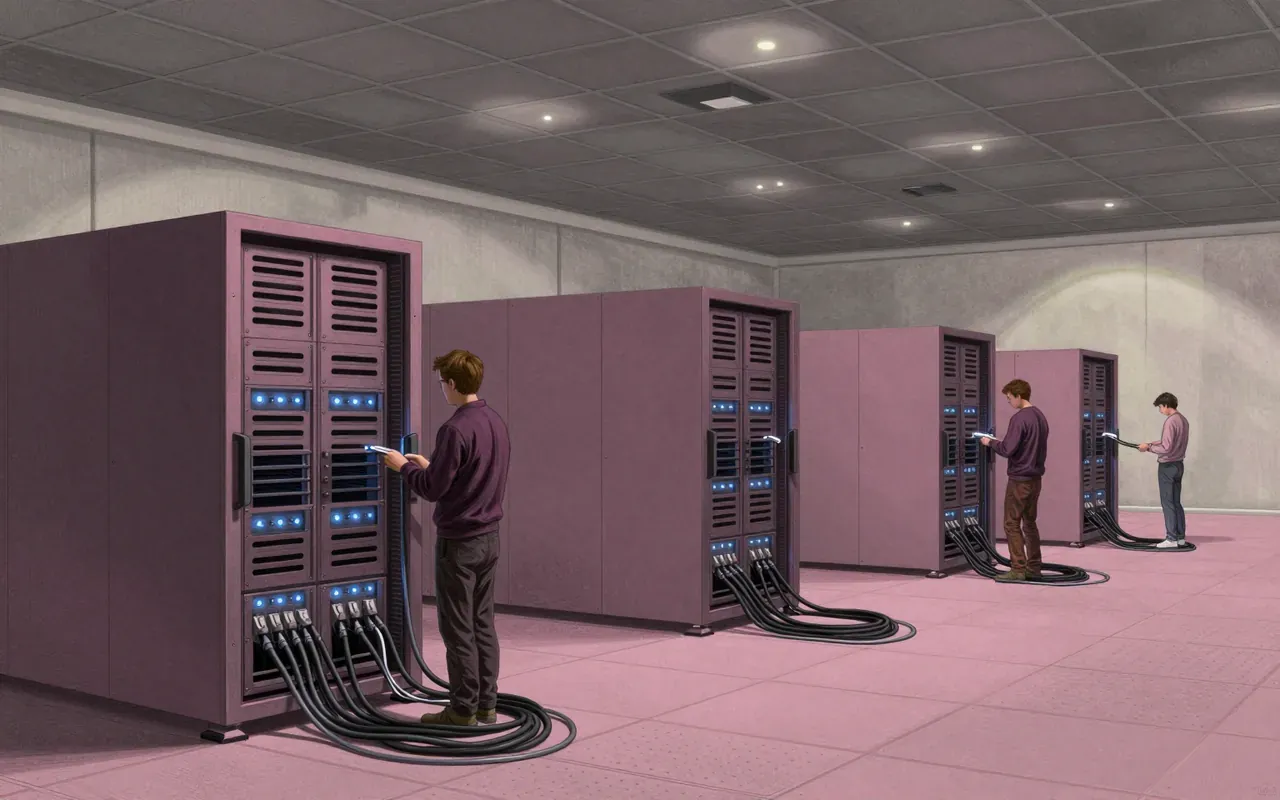
Calling the shift the 'Information Age' erases the material infrastructure—cables, servers, mines, labour—that makes information flow possible.
6:54
What it displaces
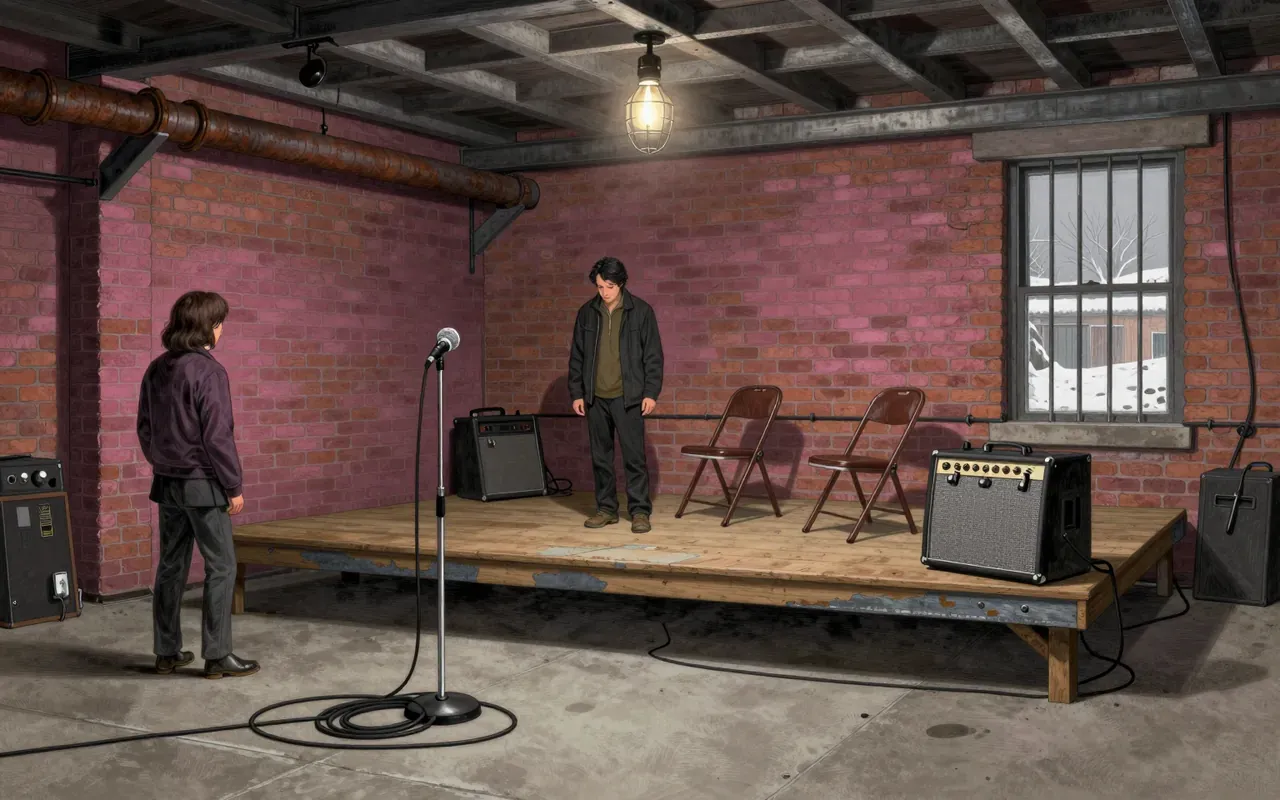
It defines itself by contrast: not farming, not factories—but never asks what gets displaced when 'knowledge' becomes the sole metric of worth.
Worth your time?
Yes. Study the whole thing.
3.5/ 5
What works
as a diagnostic tool
as a historical marker
as a vocabulary for reform
What does not
explain power
account for inequality
describe labour conditions
name alternatives
Study it if
policymakers
educators
tech strategists
Skip it if
workers
students
community organisers
The written brief1 min read
What the thing is
The knowledge economy is an economic system driven by knowledge-intensive activities that advance technical and scientific innovation.
Where it came from
The term was coined by Fritz Machlup in 1962 and popularised by Peter Drucker in 1969. It emerged from scientific management theory and was formalised alongside the global transition known as the Information Age.
What it gets right
It correctly identifies human capital and intellectual property as primary sources of innovation. It names the structural shift from agrarian and industrial economies. It specifies that intangible assets—not just data—enable growth.
What it gets wrong
It treats ‘knowledge’ as neutral and universally accessible. It ignores who controls knowledge infrastructure. It assumes skill acquisition is evenly distributed across populations.
Why it matters now
Because policy, education and investment still use this framework to allocate resources—even though its assumptions about skill, access and value creation no longer hold uniformly across regions or classes.
Is it worth your time
Yes—if you need to understand how economic value shifted from land and machines to minds and networks. No—if you expect it to explain inequality, power or labour in practice.