What the thing is
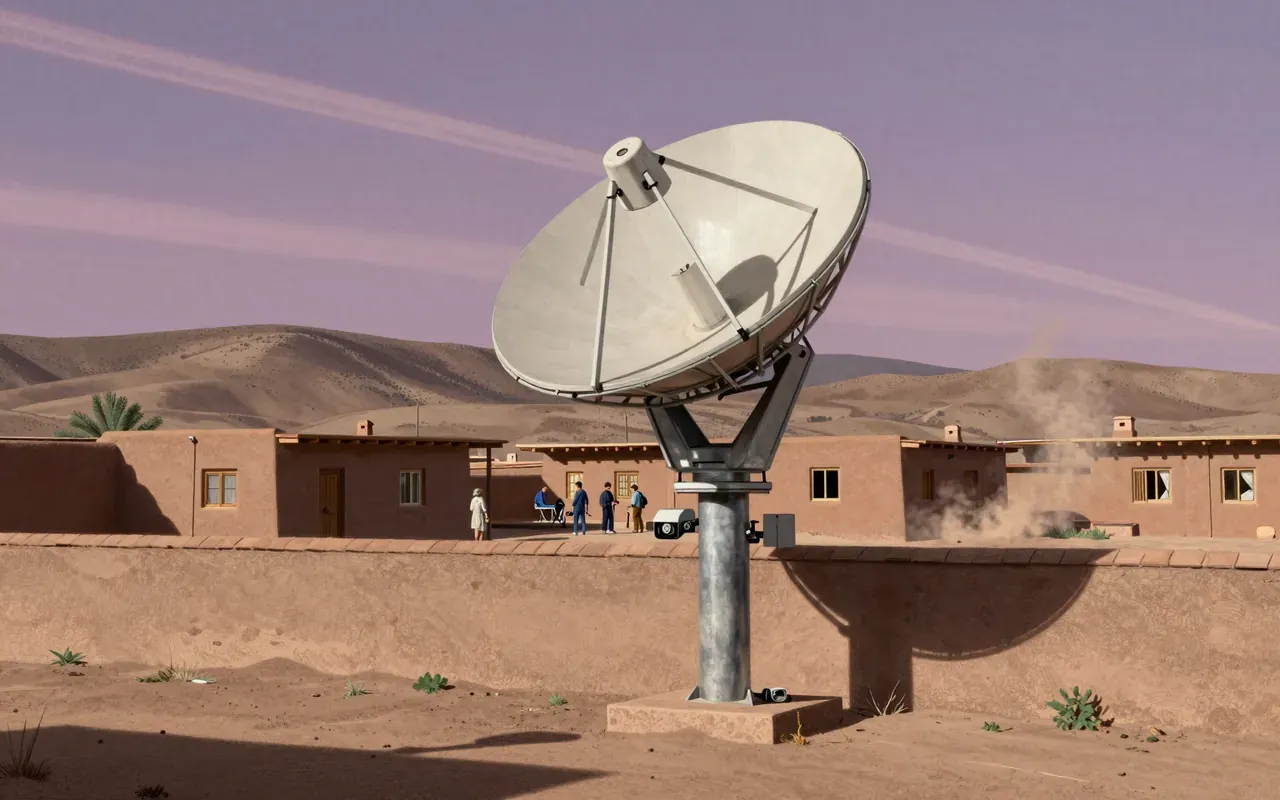
‘Global village’ is a media-theoretical concept describing worldwide interconnection via media technologies.
Where it came from
It was coined by Canadian media theorist Marshall McLuhan in the 1960s, first in The Gutenberg Galaxy (1962) and Understanding Media (1964).
What it gets right
It correctly identifies electronic communication as a force that collapses perceived distance between people across the globe.
What it gets wrong
It overstates homogeneity: the document confirms digital ties remain uneven and culturally bounded.
Why it matters now
Because it names a condition—electronic interconnection—that still structures global awareness, responsibility, and inequality, even as its original framing has been superseded.
Is it worth your time
Yes—if you want to understand how media theory frames digital interdependence, not as progress but as a condition with uneven consequences.