What the thing is
An Internet meme is a cultural item—idea, behaviour, or style—that spreads across the Internet, primarily via social media. It appears as images, GIFs, or videos. It relies on parody, intertextuality, viral dissemination, and continual evolution.
Where it came from
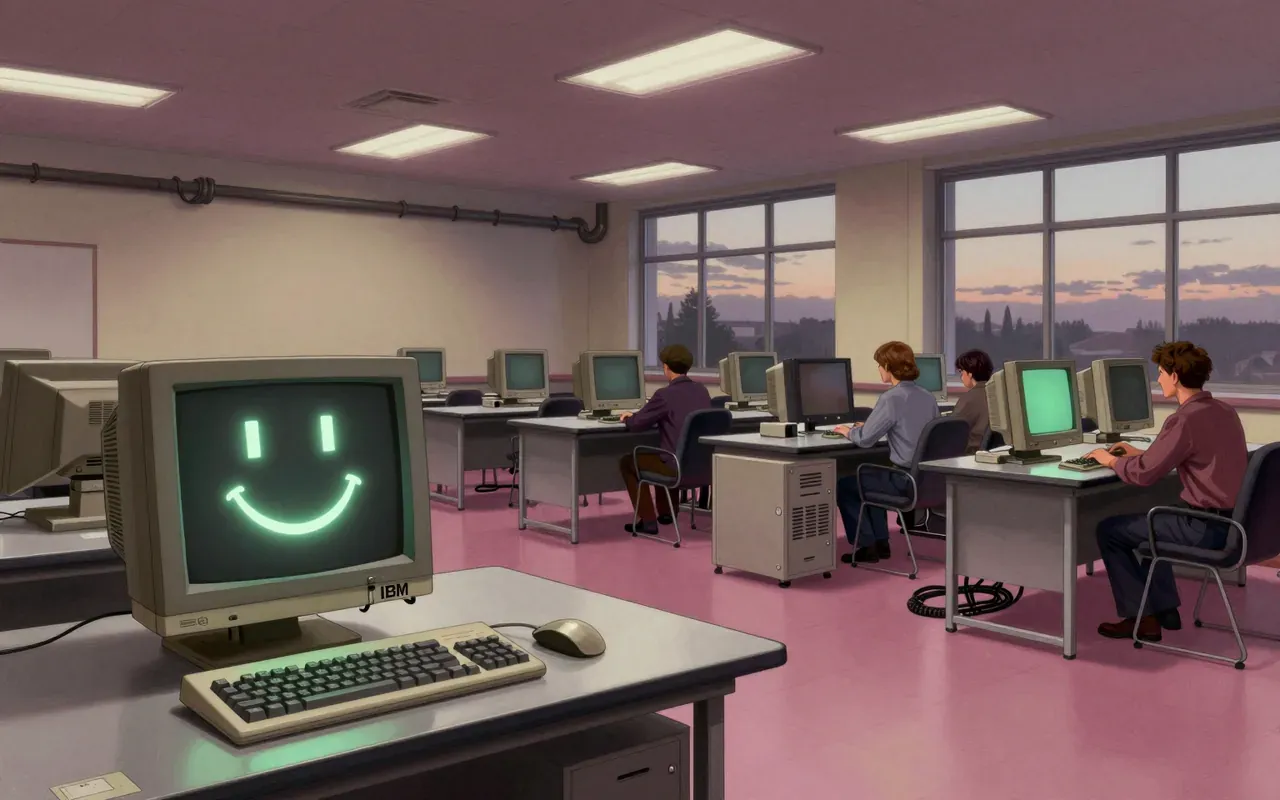
The term ‘meme’ came from Richard Dawkins in 1976. ‘Internet meme’ was coined by Mike Godwin in 1993, referencing proliferation in Usenet, message boards, and email. The smiley emoticon ‘:-)’ introduced by Scott Fahlman in 1982 is among the earliest examples.
What it gets right
It captures how culture moves: fast, uncontrolled, and through repetition with variation. It turns abstraction into visible, shareable units. It makes intertextuality legible to millions.
What it gets wrong
It conflates transmission with significance. It treats virality as evidence of coherence. It assumes shared context where none exists—especially across platforms, generations, and jurisdictions.
Why it matters now
Memes are traceable digital artifacts. They leave footprints across platforms. They operate in law as contested fair use. They serve entertainment, politics, healthcare, finance—and they do so without central control or consistent interpretation.
Is it worth your time
Yes—if you need to understand how ideas propagate, mutate, and function as infrastructure in digital public life. No—if you expect stable meaning, authorship, or legal clarity.