What the thing is
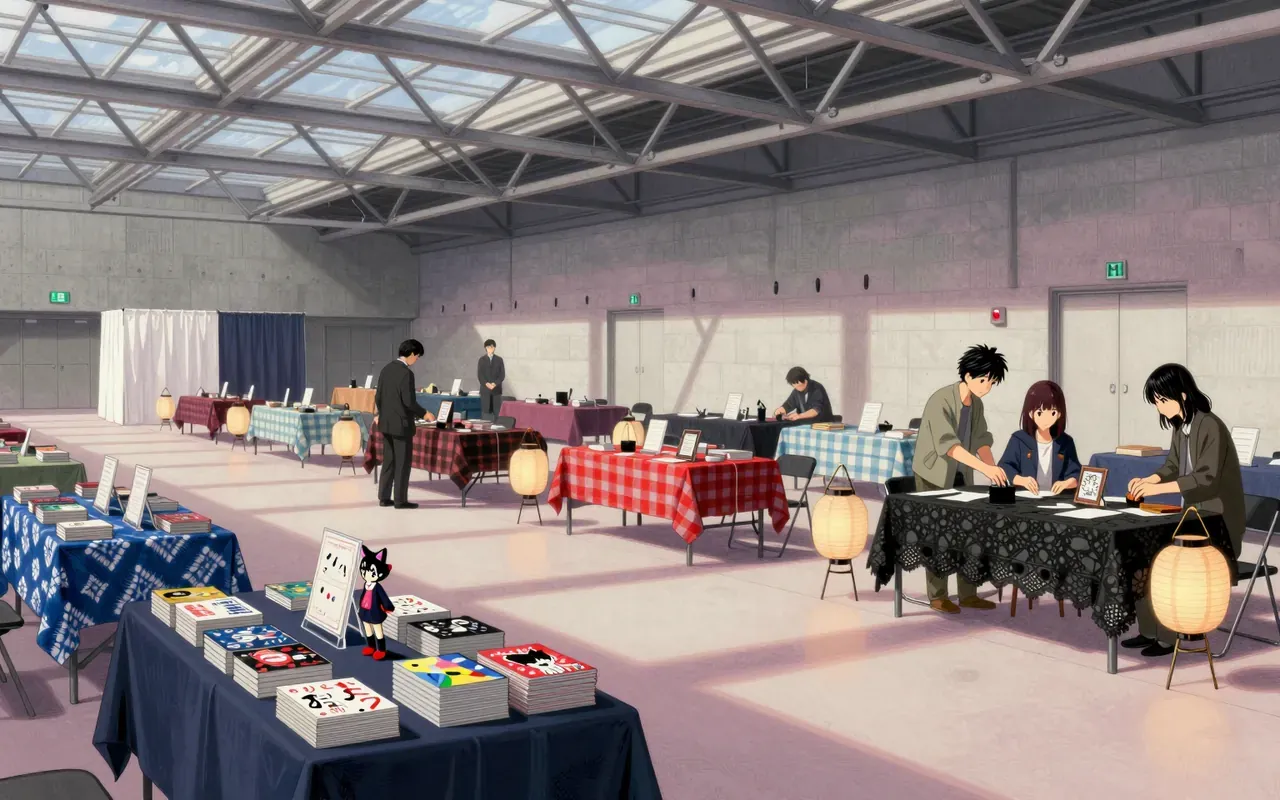
Otaku is a Japanese consumer subculture centred on science-and-fantasy media: anime, manga, video games, virtual reality, and cosplay.
Where it came from
It formed in the 1960s around early manga like Astro Boy. It acquired its name in the 1970s and was popularised in 1983 by Akio Nakamori’s essay in Manga Burikko.
What it gets right
It names a real, measurable consumer cohort. It captures how fans built identity through shared production—doujinshi, conventions, formal address—and how that practice scaled into market segments.
What it gets wrong
It conflates self-identification with behaviour. A teen calling themselves ‘otaku’ in a 2013 survey does not mean they produce doujinshi or attend Comic Market. The term now functions more as an identity label than a descriptor of practice.
Why it matters now
Because otaku is no longer just a subcultural label—it is a quantified demographic (42.2% of Japanese teens in 2013) and economic sector (¥2 trillion in 2005), shaping how media industries target, segment, and monetise fan engagement.
Is it worth your time
Yes—if you need to understand how a niche Japanese fan practice became a demographic and economic category with global resonance. No—if you expect it to explain fandom as a universal phenomenon or offer insight into non-Japanese fan cultures.