What the thing is
Fandom is a subculture composed of fans characterised by camaraderie and deep engagement with a shared interest.
Where it came from
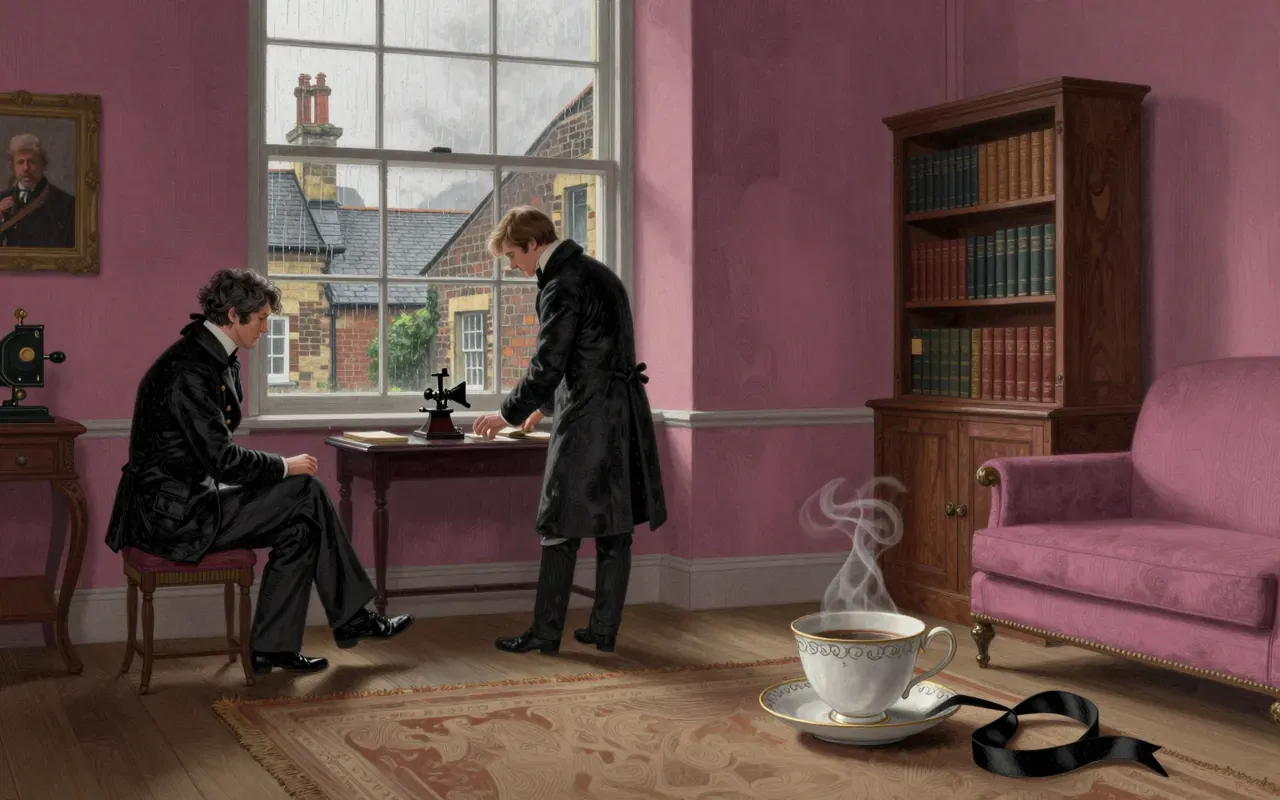
It began with sports enthusiasts in 1903, but earlier forms include Jane Austen devotees from 1870, Sherlock Holmes mourners in 1893, railway enthusiasts in the late 19th century, and science fiction fandom in the 1930s.
What it gets right
It treats fandom as a subculture defined by camaraderie and shared interest—not just consumption, but sustained investment in minor details within structured social networks.
What it gets wrong
It conflates all fan practices under one term without distinguishing between railway enthusiasts organising locally in the 1920s and brony fandom coordinating globally via Tumblr in 2011.
Why it matters now
Because fan labour—fan fiction, vids, cosplay, conventions—has become infrastructure for cultural production, yet remains legally precarious, economically invisible, and socially misunderstood.
Is it worth your time
Yes—if you want to understand how collective attention organises itself outside institutions, and why that matters for culture, labour, and power.