8:41in productionCh. 1 · Unauthorized by design/ 8:41 · ceiling 15 min
Subcultures · Literature
Fan fiction
Fan fiction didn’t break copyright—it exposed its limits as a tool for controlling who gets to tell stories.
Fan fiction is amateur fiction written by fans, unauthorized but based on existing works. It emerged alongside 20th-century copyright law. Star Trek fandom defined its modern form in the 1960s. Women were its primary authors by 1970. Doujinshi developed in parallel in Japan. It treats canonical universes as editable terrain. It grew massively after the internet arrived.
It is defined by its illegitimacy—not its quality.
2:04
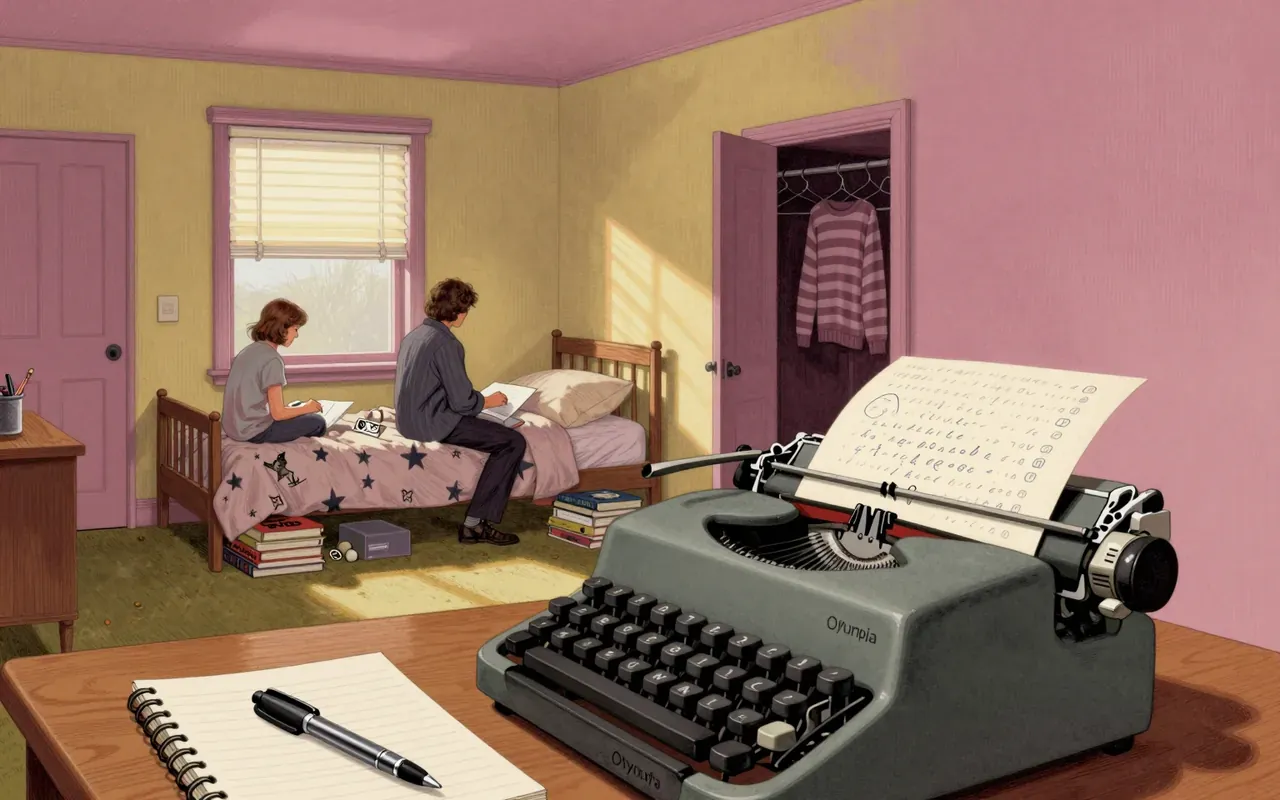
A 1960s feminist infrastructure
Star Trek fandom made fan fiction a women-led space long before 'fan studies' existed.
3:06
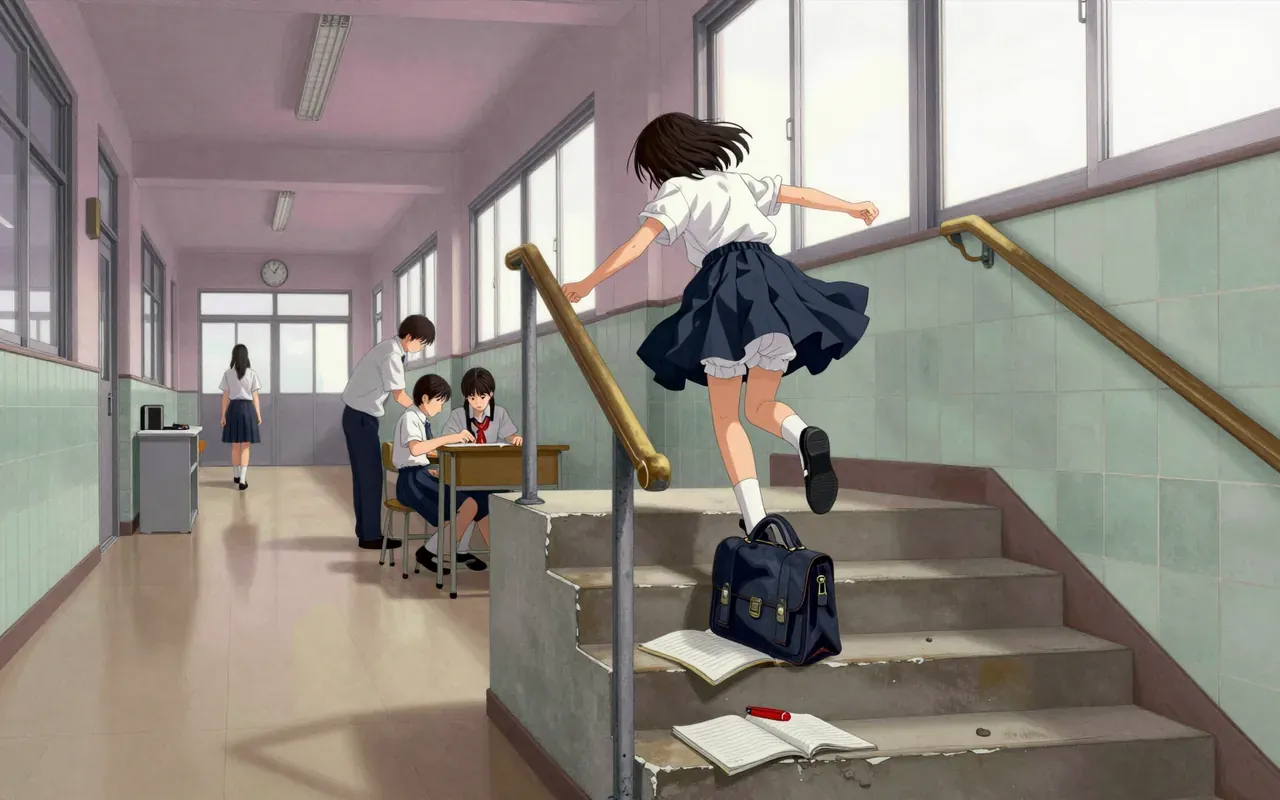
Parallel worlds: Japan, 1960s–70s
Doujinshi proves this wasn’t an Anglo-American quirk—it was a global response to mass media consolidation.
4:19
Built on, not bound by
Canon isn’t sacred here—it’s scaffolding.
5:34
From zines to archives
The internet didn’t invent fan fiction—it dissolved its physical bottlenecks.
Worth your time?
Yes. Study the whole thing.
4/ 5
What works
as a laboratory for narrative permission
as evidence of sustained female authorship outside institutions
as a precursor to open-source storytelling models
What does not
define a generation
influence named writers
displace professional publishing
Study it if
readers who treat stories as shared tools
writers excluded from formal gatekeeping
students of informal literary networks
Skip it if
those seeking polished narrative craft
copyright scholars needing legal precedent
historians of mainstream publishing
The written brief1 min read
What the thing is
Fan fiction is amateur fiction written by fans. It is unauthorized. It is based on existing works.
Where it came from
The term appeared in print by 1938. The modern phenomenon was popularised by Star Trek fandom in the 1960s. A parallel trend emerged in Japan with doujinshi in the 1960s–1970s.
What it gets right
It treats canon as raw material, not scripture. It establishes authorship as relational, not proprietary. It centres female voices where mainstream fiction excluded them.
What it gets wrong
It assumes shared access to source material—excluding those without the time, tech or cultural fluency to navigate fandom’s gateways.
Why it matters now
It prefigured participatory culture online. It modelled narrative remix before platforms called it ‘content’. It remains a site where gendered labour in storytelling is visible—and still unpaid.
Is it worth your time
Yes—if you want to understand how readers became co-authors, and how women built narrative infrastructure outside publishing.