8:58 in production Ch. 1 · What it is / 8:58 · ceiling 15 min
Clickbait isn’t lazy writing — it’s fraud dressed as curiosity.
Clickbait is a deliberate breach of reader trust. It emerged by 2014 as a revenue-driven tactic rooted in older forms of commercial deception. It works by exploiting the curiosity gap — but fails because it delivers no reciprocal value. It is not all teasing. It is not all surprise. It is fraud, narrowly defined, and still widespread.
Chapters & takeaways 5
1:02 What it is
Clickbait is defined by deception — not exaggeration, not hype, but misrepresentation built into the link itself.
2:12 Where it came from
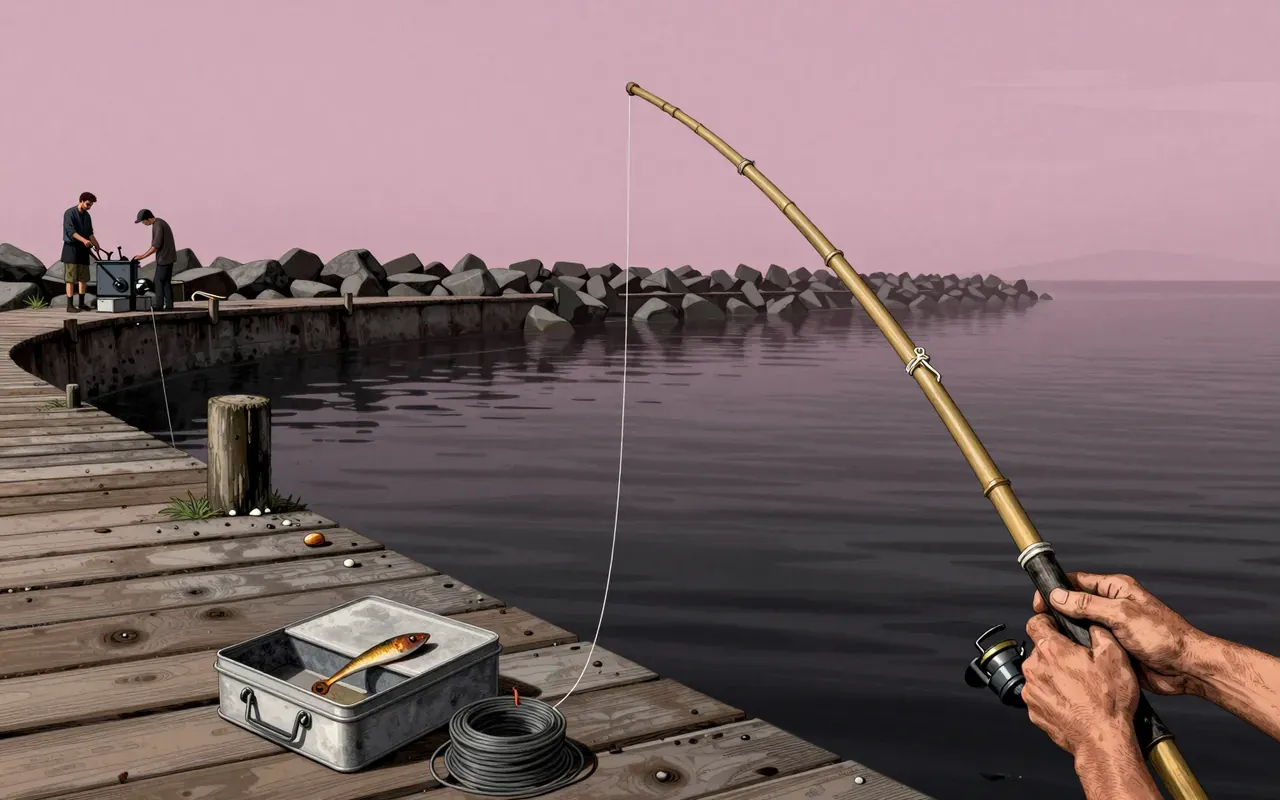
Its name and method are direct inheritances: fishing bait hides a hook; bait-and-switch hides the real offer.
3:21 What it gets right
It exploits a real psychological mechanism — the curiosity gap — but weaponises it without reciprocity.
4:23 What it gets wrong
Its dishonesty isn’t stylistic — it’s structural. The headline does not reflect the content. That is fraud.
5:34 What it is not
It is not click fraud. It is not every unanticipated link. It is a specific, intentional breach of expectation.
Worth your time?
No. The brief is enough. 1.5 / 5
What does not culture/art culture/arts culture/cities culture/fashion Study it if publishers chasing page views platforms optimising for engagement audiences trained to distrust headlines Skip it if readers seeking reliable information writers building long-term credibility editors committed to accuracy The written brief 1 min read
What the thing is
Clickbait is a deceptive, sensationalized, or misleading text or thumbnail link designed to entice clicks.
Where it came from
It descends from yellow journalism and bait-and-switch marketing, with its name analogising fishing bait disguising a hook.
What it gets right
It identifies a real cognitive vulnerability: the curiosity gap.
What it gets wrong
It treats all curiosity-driven enticement as fraudulent, ignoring legitimate editorial teasers that deliver on their promise.
Why it matters now
Because algorithmic filtering and cultural backlash have not eliminated it — they’ve just pushed it into subtler, harder-to-detect forms.
Is it worth your time
No. It wastes attention, erodes trust, and offers no durable value — only fleeting page views.
Same beat · Society 4 of 234