What the thing is
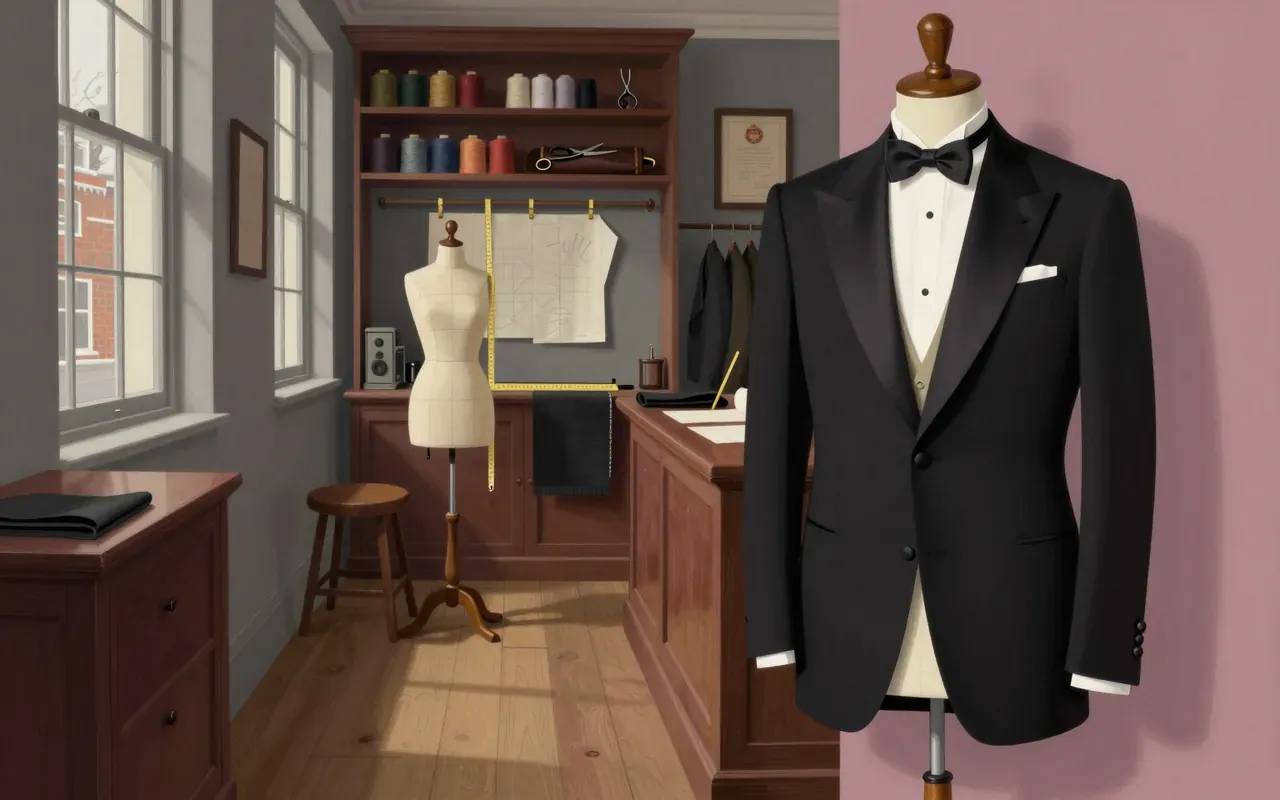
A tuxedo is the American term for the dinner suit, called a dinner jacket in Britain. It is the principal element of black tie, a half-dress Western dress code for evening events. The suit is black, midnight blue or white, in two or three pieces, with satin or grosgrain lapels and a matching stripe along the outseam of the trousers.
It is worn with a white dress shirt, a black bow tie, sometimes an evening waistcoat or a cummerbund, and black patent leather shoes. Black tie is traditionally worn after 6 p.m. It is less formal than white tie and more formal than business dress.
Where it came from
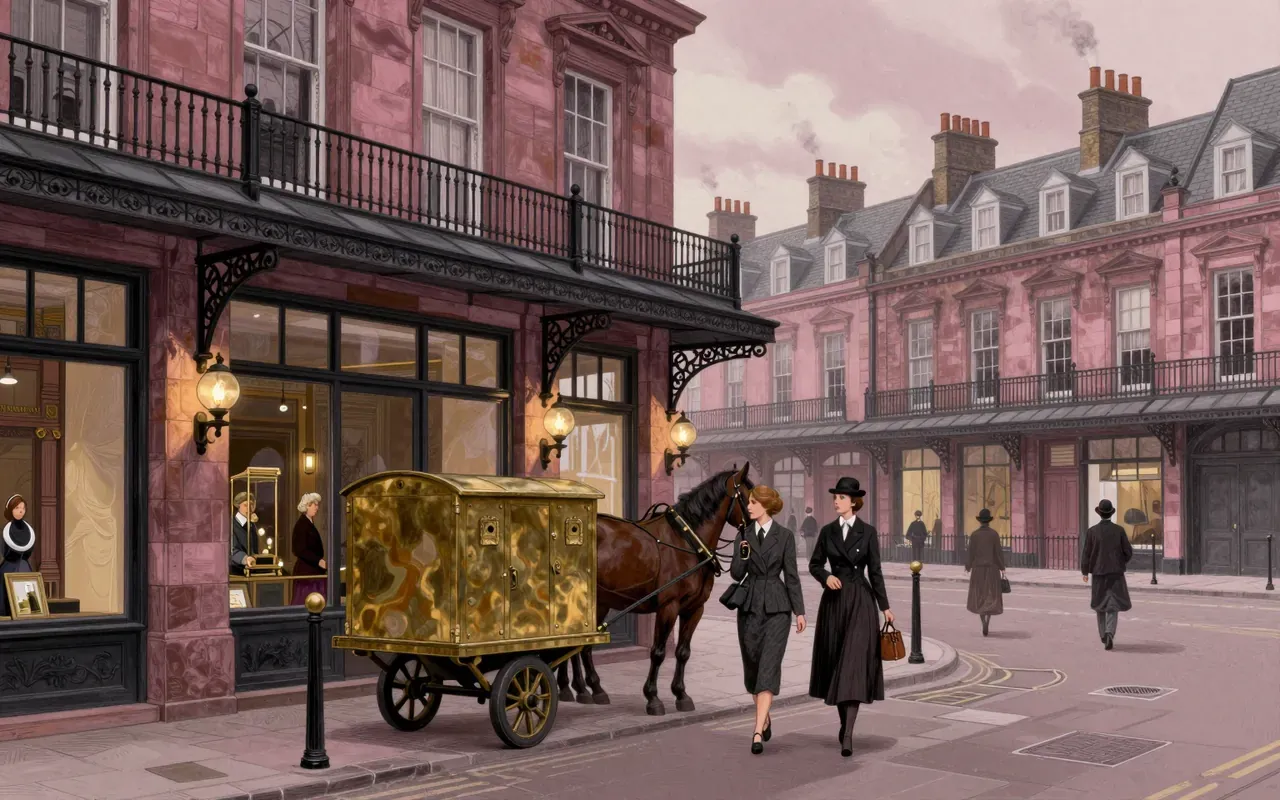
The first dinner jacket is traditionally traced to 1865, when the Prince of Wales, later Edward VII, ordered a midnight blue silk smoking jacket with matching trousers from the Savile Row tailors Henry Poole & Co. It was made for Sandringham, the royal family’s informal country estate, as men sought an alternative to the evening tailcoat.
In Britain the style became known as the dinner jacket around 1887. In the United States, the earliest references to a tailcoat substitute date from 1886. Griswold Lorillard and his friends were reported in society columns wearing a tailless dress coat at the first Autumn Ball at Tuxedo Park, a Hudson Valley enclave for New York’s wealthy. The name tuxedo comes from that place and dates from around 1888. At first the jacket was worn by young mavericks to occasions considered strictly formal, and the American establishment rejected it. By 1888 polite society accepted it as a summer and informal evening substitute.
What it gets right
Black tie is a study in refined minimalism. The low-cut waistcoat conceals the trousers’ waistband and the bottom edge of the shirt front, and braces replace a belt. The dinner jacket also settled into a stable core: black or midnight blue cloth, silk facings, and a bow tie that matches them.
What it gets wrong
Its history and its rules are less settled than its image. An essay in the Tuxedo Park archives credits the merchant banker James Brown Potter with bringing the jacket to America, but that claim cannot be verified independently. It is also not known whether the Autumn Ball garment was a mess jacket or a conventional dinner jacket.
Authorities also disagree. Debrett’s calls a waistcoat smart but does not consider either waist covering essential, while the Emily Post Institute treats one as essential. Wing collars have been popular with American men since the 1980s, though many style authorities argue they belong to white tie.
Why it matters now
Following the counterculture of the 1960s, black tie has increasingly replaced white tie in more formal settings in the United States and in cultures influenced by it. In the early 21st century, American uses are mostly balls, galas, proms, cruise ship dinners and weddings. In 2013 Cunard relaxed its dress standards, and the Cambridge Union ended compulsory black tie at debates in 2002.
For women, black tie has traditionally meant an evening gown. In 1966 Yves Saint Laurent proposed Le Smoking, a dinner suit designed for women. Most early reactions were negative, though it has since been credited with influencing designers and with Princess Diana’s choice to wear men’s black tie in public.
Is it worth your time
Yes, if you need to dress for a black-tie evening or want to see how a country-house garment of the 1860s became a formal code. The core elements are consistent and the details are argued over.