12:13 in production Ch. 1 · Birth of a National Repository / 12:13 · ceiling 15 min
The arts National Museum of India 1949
The National Museum carved a new cultural space in 1949, but its limited display leaves most heritage unseen.
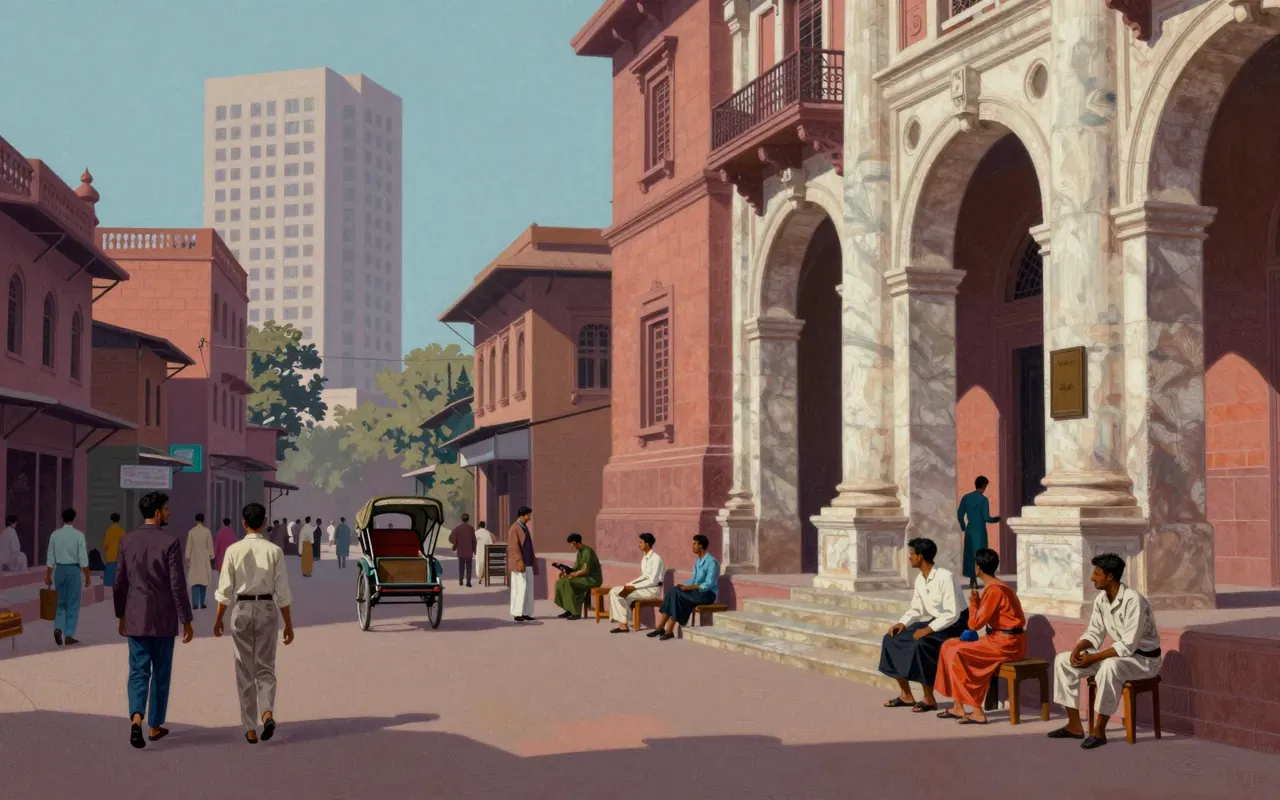
The National Museum, founded in 1949 on Janpath under the Ministry of Culture, showcases 200,000 works of Indian art. It preserves a vast collection, offers a museology university, yet displays only 6‑7 % of its holdings. The museum remains a central repository for Indian heritage but struggles with limited space and regional representation.
Chapters & takeaways 5
0:54 Birth of a National Repository
The museum was founded in 1949, carving a new cultural space.
2:50 Blueprint for Heritage
The 1946 Gwyer Committee set the vision.
4:34 Leadership and Vision
Sir Maurice Gwyer steered the committee.
6:34 From Design to Reality
Sir Sobha Singh contracted the project.
8:32 Where It Lives
The museum sits on Janpath under the Ministry of Culture.
Worth your time?
Yes. Study the whole thing. 3.5 / 5
What works limited display space lack of regional diversity What does not represent a contemporary art movement define a decade Study it if art historians cultural scholars students of museology Skip it if casual tourists those seeking a full exhibition The written brief 1 min read
What the thing is
The National Museum is a public cultural institution in Delhi. It displays Indian art from pre‑historic to contemporary times.
Where it came from
It was founded in 1949 after a 1946 blueprint by the Gwyer Committee. The committee was headed by Sir Maurice Gwyer.
What it gets right
It preserves a vast collection of 200,000 works, though only 6‑7 % are displayed. It offers a university for museology.
What it gets wrong
Its display space is limited, leaving most pieces unseen. The museum has not fully integrated its exhibitions to reflect regional diversity.
Why it matters now
The institution remains the central repository for Indian heritage. It provides training for future curators.
Is it worth your time
If you value a comprehensive overview of Indian art, the museum is essential. Casual tourists might find its limited displays underwhelming.
Same beat · The arts 4 of 5
8:56
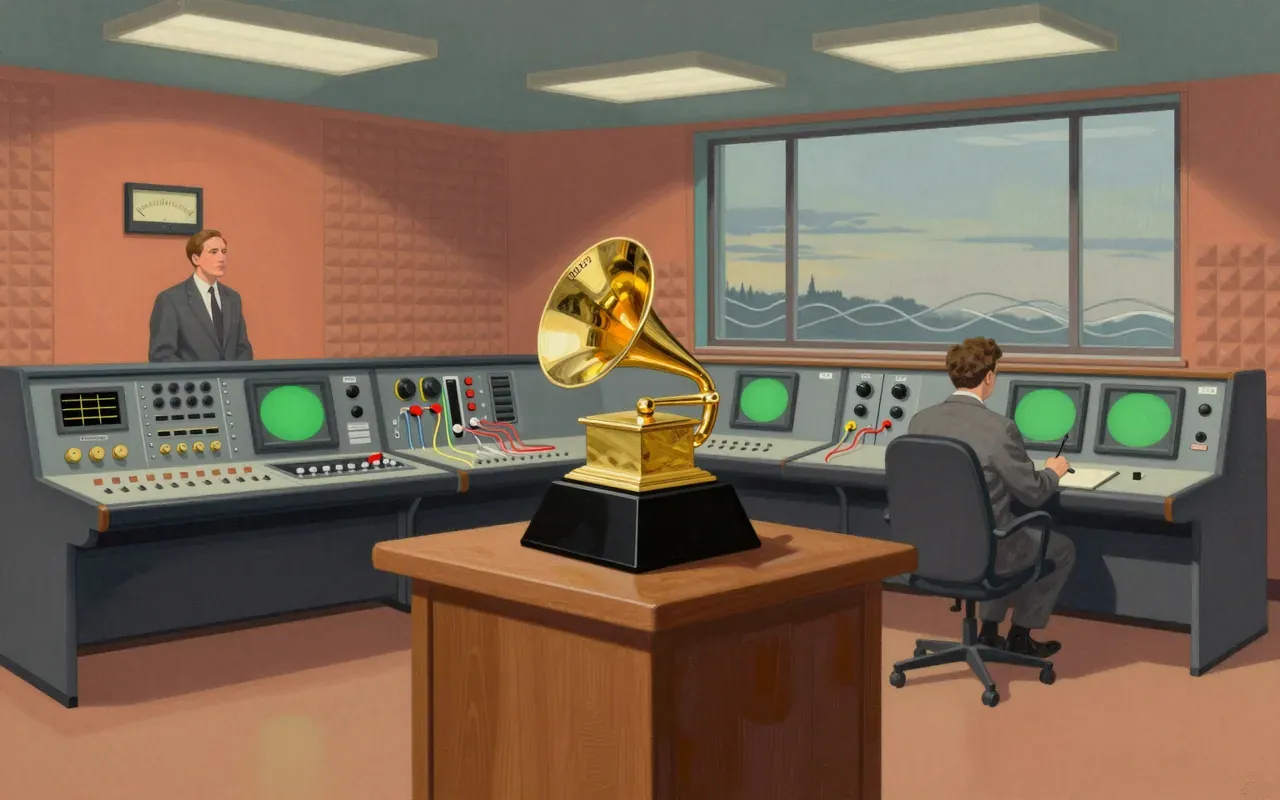
Grammy Awards 1958 The Grammy Awards began in 1959 as a recording-industry initiative spun off from the Hollywood Walk of Fame project. They honoured achievements from 1958, used a dual-city format (Beverly Hills and New York), and were televised from year two—but not live until 1971. Their 2024 move to ABC/Disney+/Hulu marks a structural shift: legitimacy now flows from platform contracts, not cultural weight. 9:47
Baba ghanoush Baba ghanoush is a Levantine meze built on flame-roasted eggplant. Its name originates in Syrian and Lebanese Arabic. It entered Israeli cuisine between 1949 and 1959. Tahini is not required — and its absence distinguishes it from mutabbal and other regional variants. Roasting over open flame is essential. It matters now because it reveals how naming, austerity, and adjacency shape what counts as ‘local’ food. 9:24
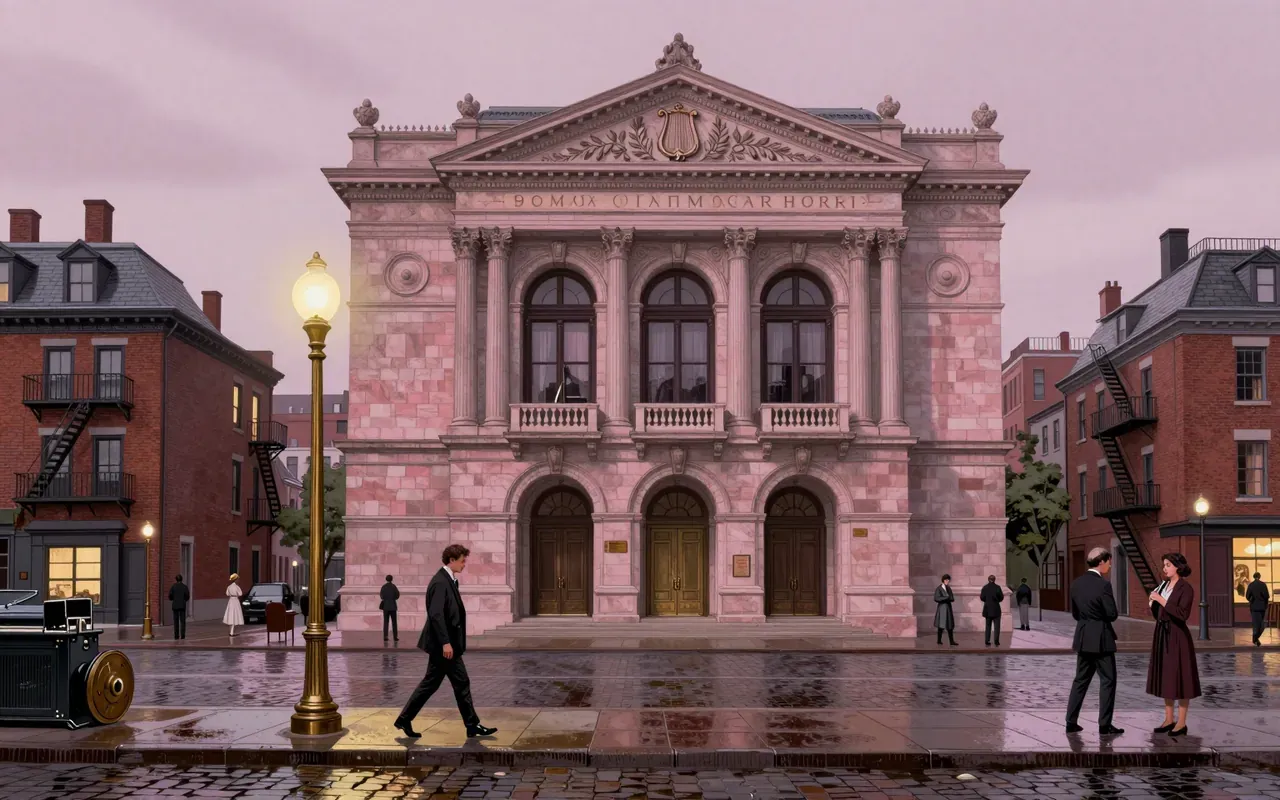
Metropolitan Opera House (Philadelphia) The Metropolitan Opera House (Philadelphia) is a 1908 building originally built by Oscar Hammerstein I as the home of his Philadelphia Opera Company. It was sold to New York’s Metropolitan Opera in 1910 and used by them through the 1920s. After that, it served as a movie theatre, ballroom, sports venue, mechanic training centre, church, and—since December 2018—a Live Nation pop concert venue. It was listed on the National Register of Historic Places in 1972. In 1988 it fell into disrepair and disuse; in 1995 it became the Holy Ghost Headquarters Revival Center at the Met. 9:05
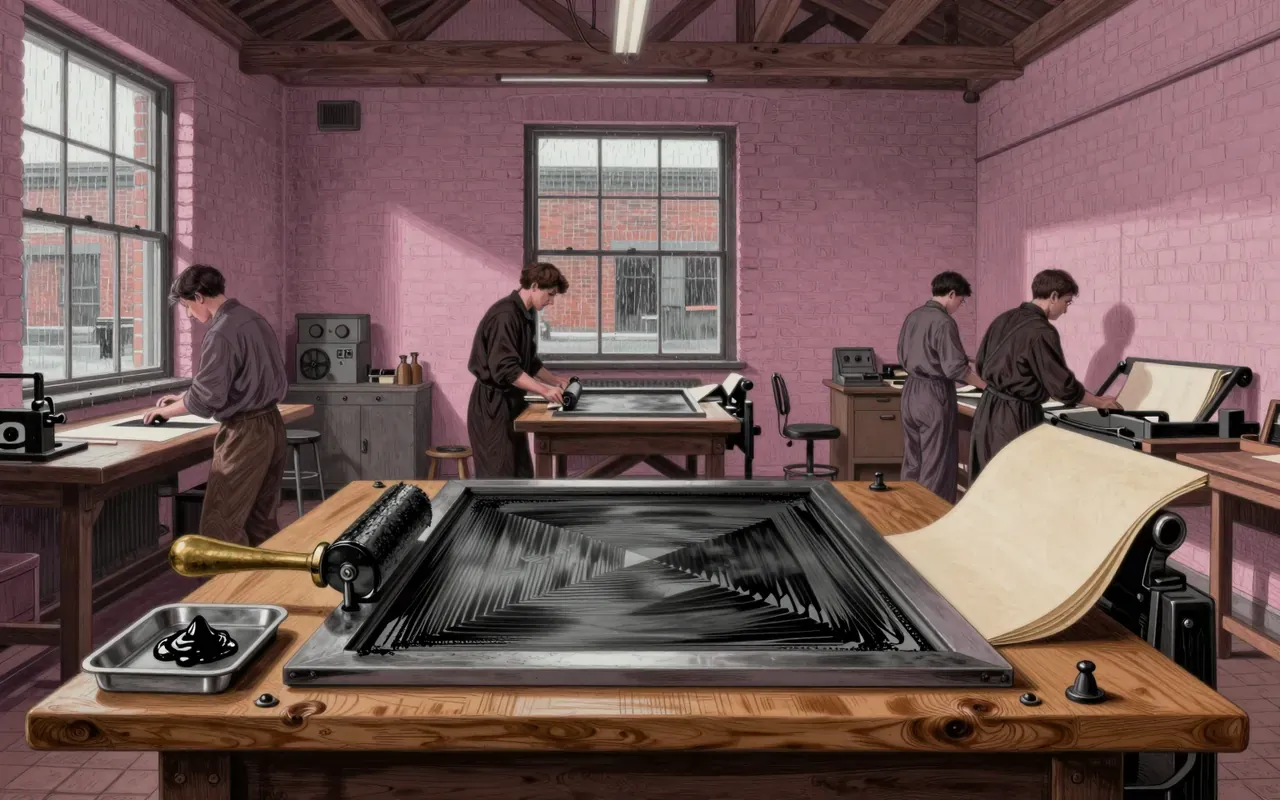
Monoprinting Monoprinting is a printmaking method that yields unique impressions—one per run—from reusable blocks like metal plates, litho stones, or wood blocks.