What the thing is
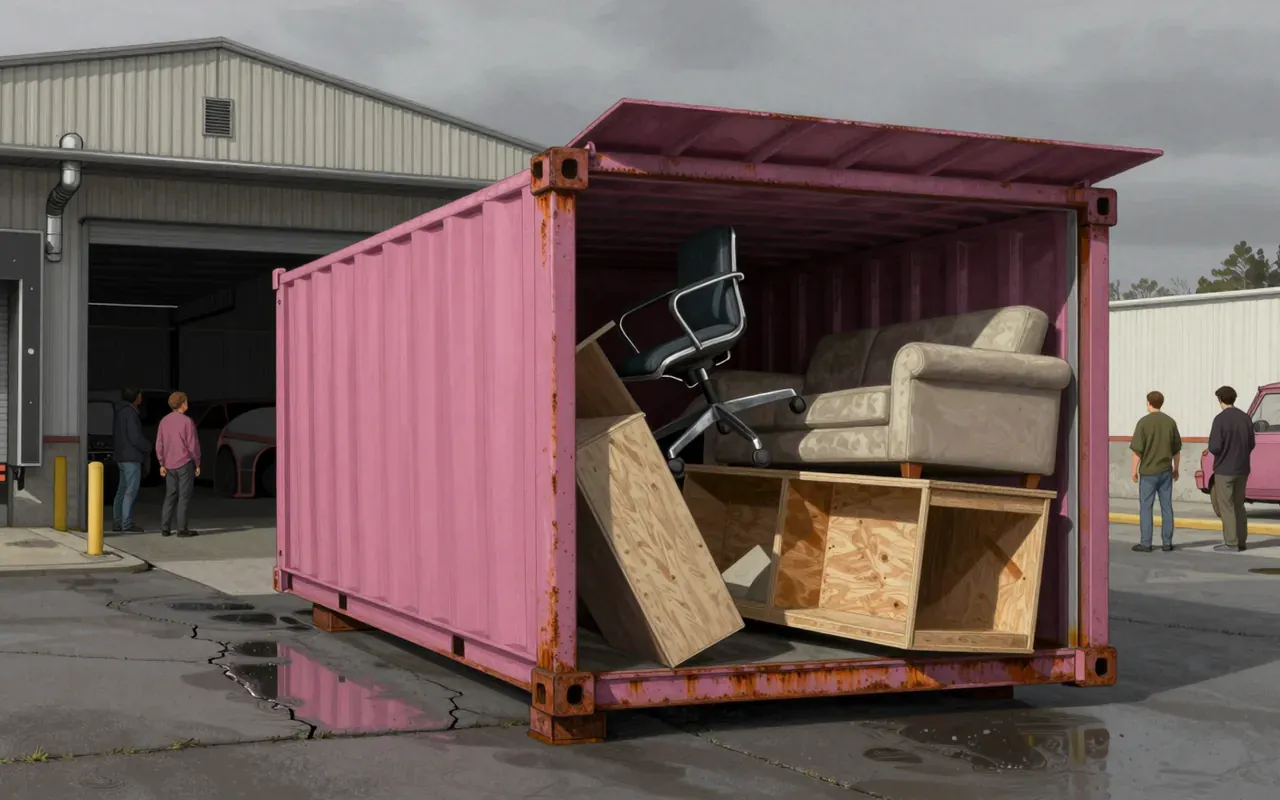
Dumpster diving is the act of salvaging unwanted but usable items from large commercial, residential, industrial and construction waste containers.
Where it came from
The term ‘dumpster diving’ emerged in the 1980s in American English and first appeared in print in 1983. In British English, the practice is known as ‘skipping’.
What it gets right
It recovers usable items from waste streams. It challenges disposability. It serves people excluded from formal markets.
What it gets wrong
It exposes participants to biohazards, broken glass, and unsanitary conditions. It carries legal ambiguities across jurisdictions.
Why it matters now
It persists as a response to poverty, overconsumption, and landfill dependency. It remains legally ambiguous and physically hazardous—neither resolved nor obsolete.
Is it worth your time
Yes—if you need usable goods, reject consumer waste, or study informal economies. No—if you seek safety, legality, or hygiene.