culturebriefs
9:24in productionCh. 1 · What slowing down does/ 9:24 · ceiling 15 min
Movements & scenes · Society

Slow living

Slow living isn’t about quitting the world—it’s about refusing to let speed decide what counts as real.

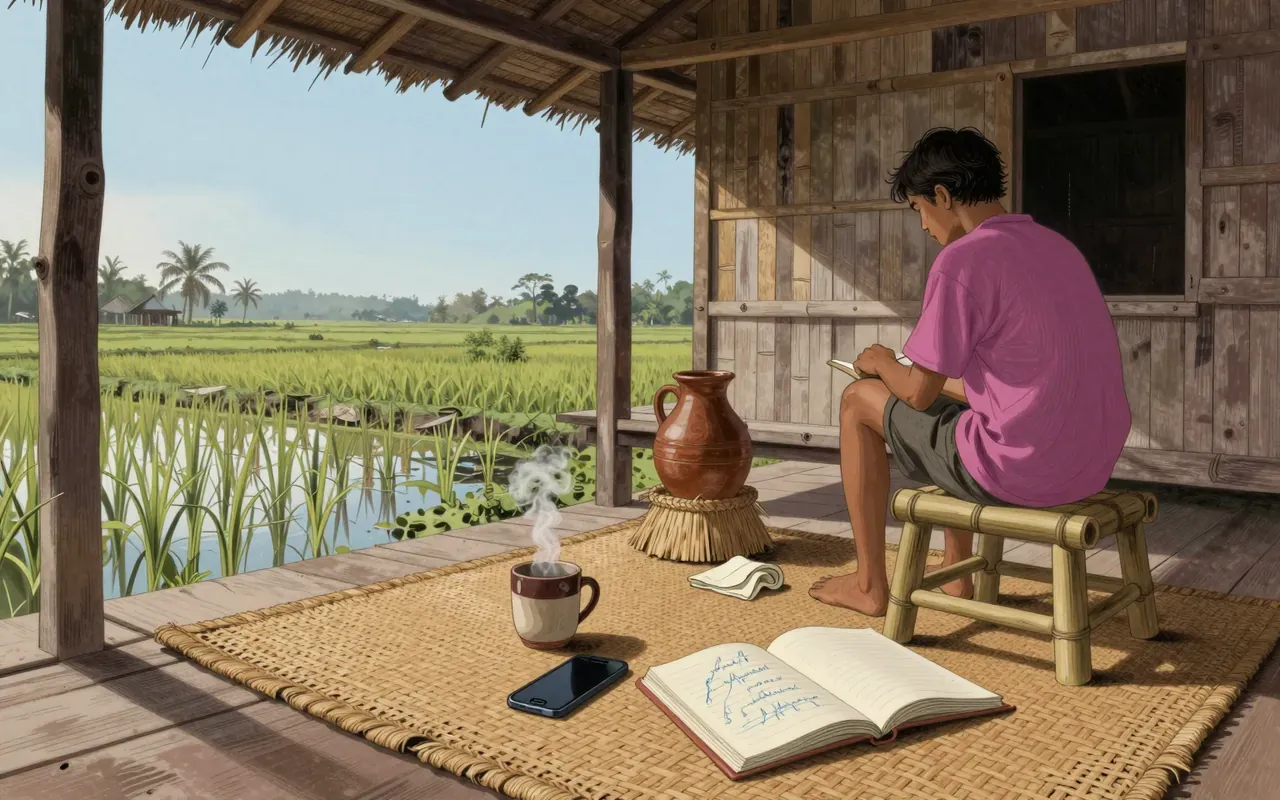
Slow living is a lifestyle rooted in the Italian slow food movement of the 1980s and 1990s, inspired by Carlo Petrini’s founding of Slow Food in 1986. It advocates a slower, more intentional pace of life—emphasising sustainability, locality, organic practices, and wholeness—while remaining compatible with modern technologies and digital culture.

Chapters & takeaways5
  1. 0:52
    What slowing down does

    Slowing down isn’t passive—it’s how you reclaim attention, presence, and sensory experience.

  2. 1:55
    Where it came from

    It began as a response to fast food—not fast life—and inherited its ethics from food sovereignty, not mindfulness.

  3. 3:27
    What it permits

    It allows smartphones, the Internet, and commercial services—so it’s not a retreat, but a recalibration.

  4. 4:45
    What SLOW stands for

    SLOW is a backronym: sustainable, local, organic, whole—but those words don’t resolve their contradictions.

  5. 5:47
    How it spreads

    On Instagram,

Worth your time?

Yes. Study the whole thing.

3.5/ 5
What works
  • as a personal counter-rhythm
  • as a shared language on social media
What does not
  • define a generation
  • displace fast fashion
  • influence named artists
  • start a political movement
Study it if
  • people who use technology but feel eroded by it
  • those seeking ethical frameworks that do not require withdrawal
Skip it if
  • anyone needing structural analysis of time poverty
  • readers looking for economic alternatives to growth
The written brief1 min read

What the thing is

Slow living is a lifestyle that encourages a slower approach to everyday tasks. It is not anti-technology, anti-consumption, or anti-city—it permits mobile phones, the Internet, and commercial services.

Where it came from

It emerged from the Italian slow food movement of the 1980s and 1990s. Carlo Petrini founded Slow Food in 1986. Slow living was heavily influenced by that initiative.

What it gets right

It correctly identifies speed as a source of sensory deprivation and disconnection. Slowing tasks restores presence and deepens attention.

What it gets wrong

It presents sustainability, locality, organic practice and wholeness as self-evidently coherent goals—ignoring tensions between them, such as local production’s carbon cost or organic certification’s industrial scale.

Why it matters now

Because digital saturation and task fragmentation make presence feel like a skill rather than a default—and slow living names that loss, then offers a vocabulary to reclaim it.

Is it worth your time

Yes—if you want a framework for resisting acceleration without rejecting modernity. It offers practical anchors, not just critique.
Same beat · Movements & scenes4 of 159
8:40
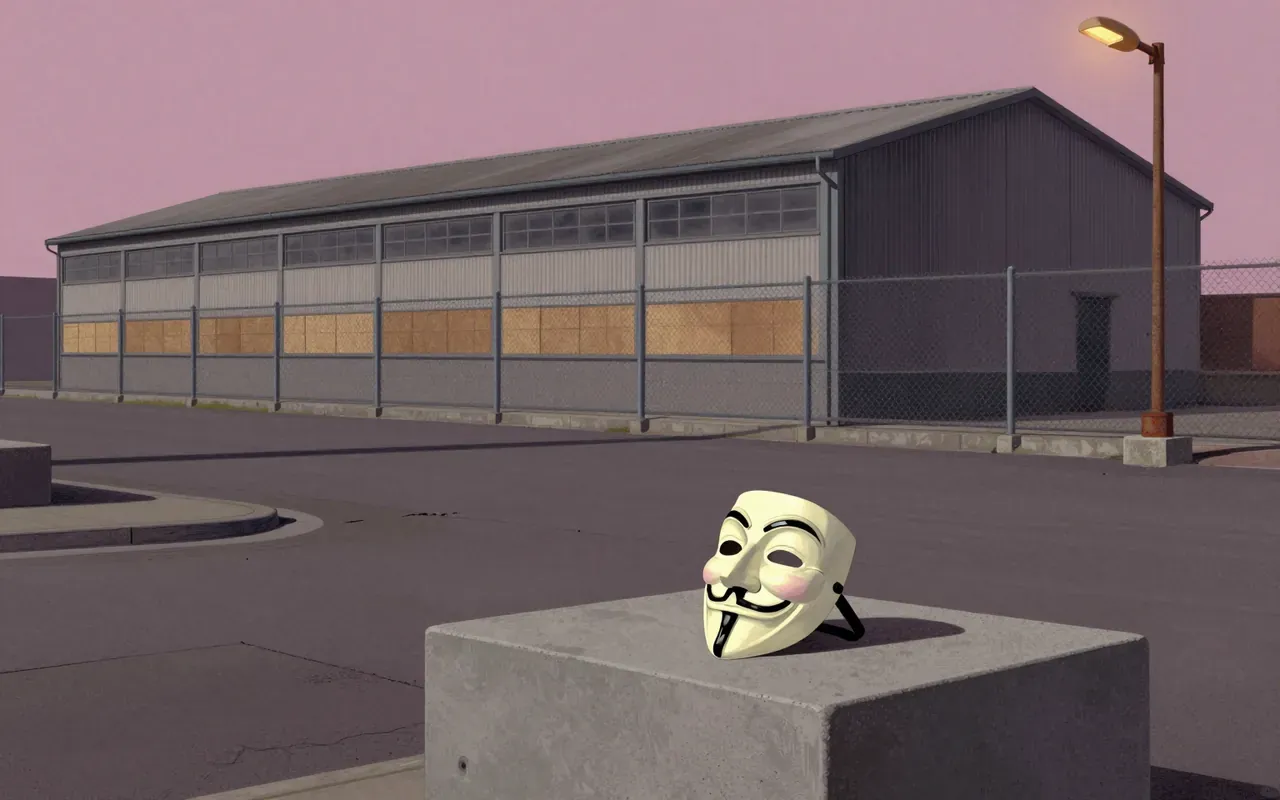
Anonymous (hacker group)2003Anonymous is a self-declared, leaderless collective that conducts cyberattacks as its primary method of activism. It originated in 2003 on the imageboard 4chan. Because it has no leadership, no action can be attributed to the membership as a whole. Some members protest using legal means, while others employ illegal measures such as DDoS attacks and hacking.
9:10
Self-managed social centerSelf-managed social centers are anti-authoritarian, volunteer-run spaces that operate as infoshops, free schools, bicycle workshops and concert venues. They began in Italy in the 1980s and spread to the US and UK in the 1990s. They oppose gentrification and megaprojects. They create and practice the commons. They are transient, precarious, and politically active—but do not survive long enough to institutionalise what they prefigure.
10:00
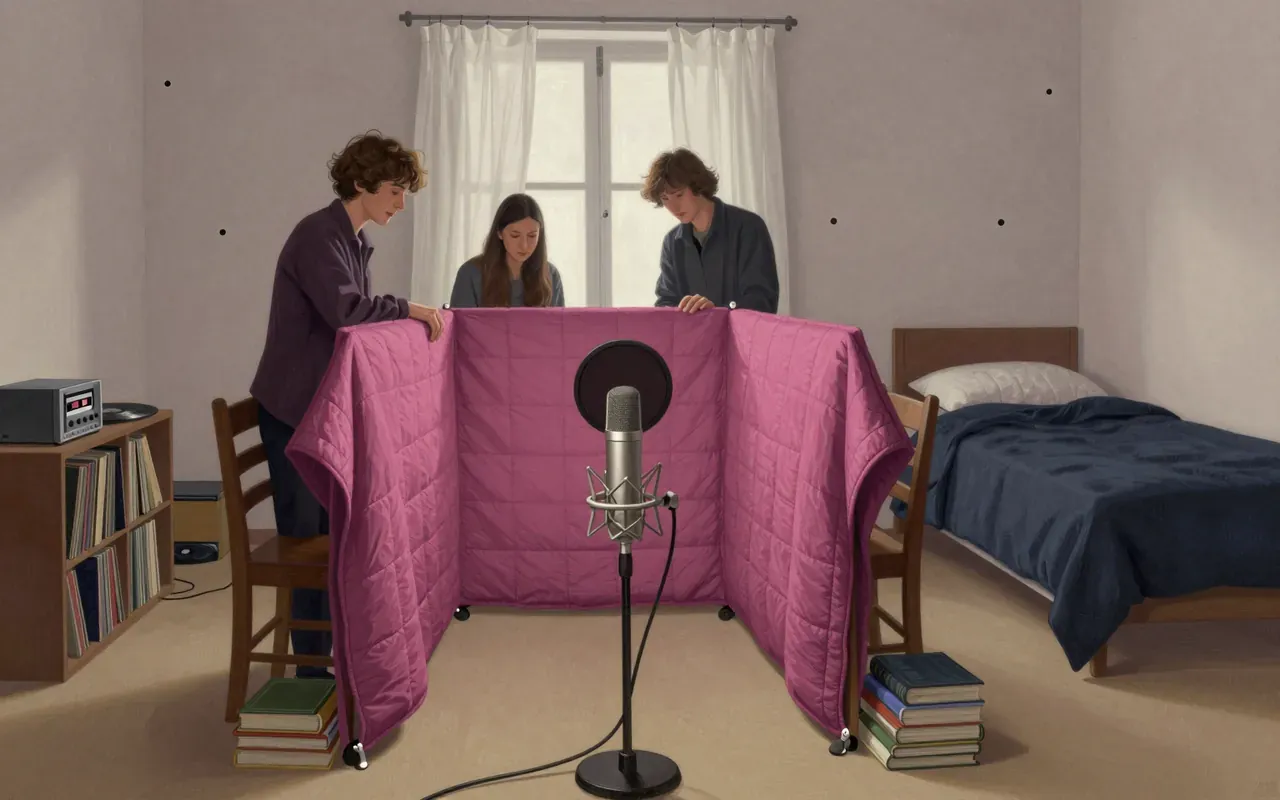
Home recordingHome recording is sound captured in private homes—not studios. It began with isolated pioneers in the US, UK, Australia, and Jamaica in the 1950s–1970s. The 1979 Portastudio enabled consumer multitrack recording. Digital recorders and DAWs replaced analog in the 1990s. Lockdowns in 2020 caused a global surge in home-based artists and microgenres. Untreated rooms produce misleading acoustics that compromise mixing. Professional studios have been heavily impacted over the last two decades.
10:02
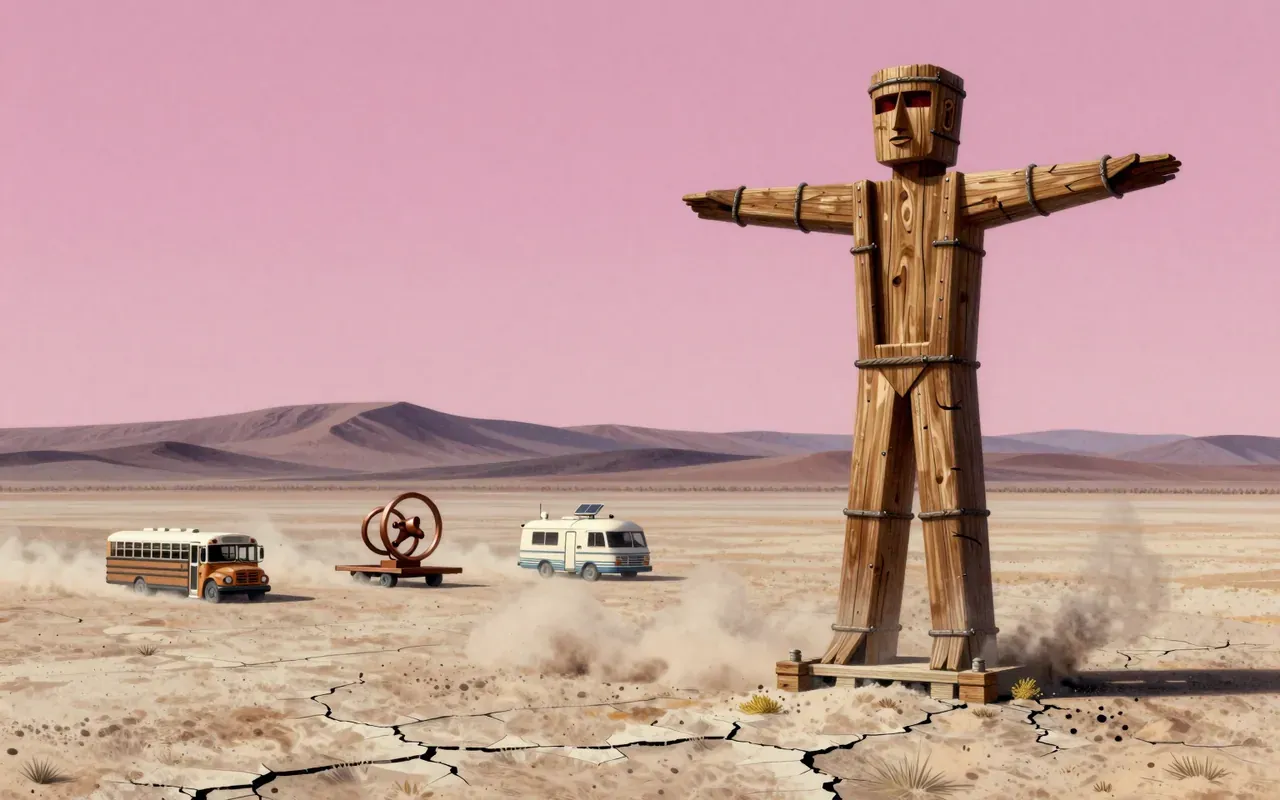
Burning Man1986Burning Man is a participant-built desert gathering named for the ceremonial burning of a wooden effigy—the Man—on the Saturday before Labor Day. It began on Baker Beach in 1986, moved to the Black Rock Desert in 1990, and operates on radical self-reliance, communal effort, and theme-driven art made solely by attendees. Its ten principles were codified in 2004—not at origin—and its model has since been replicated, commercialised, and contested. It is neither pure counterculture nor corporate spectacle, but a documented instance of how ritual, place, and principle diverge over time.
Up next in Culture

Sneaker collecting

· 9:05

Sneaker collecting is not about footwear. It is a ritual economy disguised as a hobby.

9:05