culturebriefs
8:47in productionCh. 1 · Born of shortage/ 8:47 · ceiling 15 min
Society · Movements & scenes

Vintage clothing

Vintage clothing is not nostalgia — it’s rationing renamed.

Vintage clothing is a category defined by age (30–100 years), authenticity (era-specific style), and distinction (not antique, retro, or reproduction). Its roots are in World War I textile rationing — not curation or cool. The term entered fashion only in 1997. Today it serves sustainability goals: reusing one item cuts CO2 by 25% versus buying new. But it does not challenge ownership models or scale beyond niche retail.

Chapters & takeaways4
  1. 0:57
    Born of shortage

    Vintage dressing began as wartime necessity, not style choice.

  2. 2:04
    What counts as vintage

    Vintage is defined by age and authenticity — not imitation, reproduction, or antiquity.

  3. 3:40
    A late label

    The word 'vintage' entered fashion only in 1997 — decades after the practice took hold.

  4. 4:51
    From garment to shop

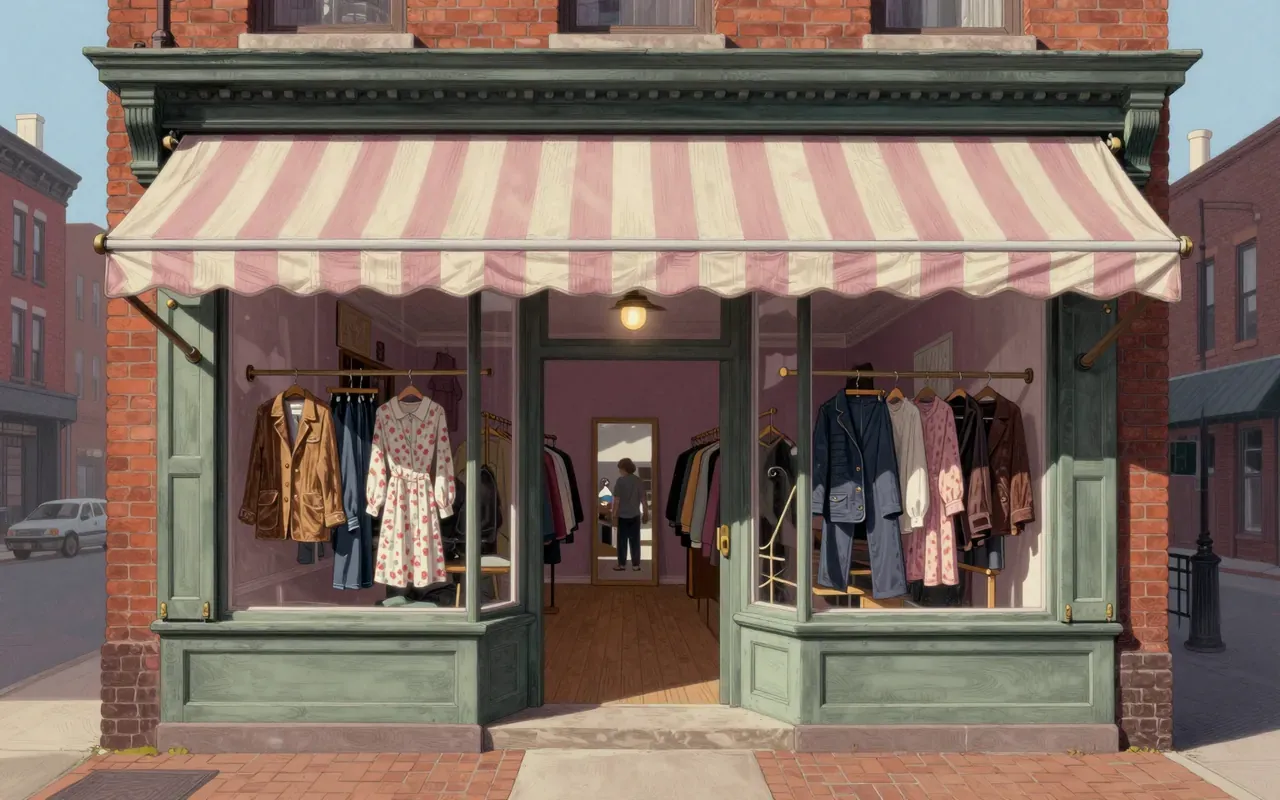
    The term now applies to retail spaces — not just garments.

Worth your time?

Yes. Study the whole thing.

3.5/ 5
What works
  • as a precise temporal and stylistic category
  • as a measurable climate intervention per item
  • as a retail framing device
What does not
  • solve fast fashion
  • redefine ownership
  • displace mainstream retail
Study it if
  • material historians
  • slow fashion advocates
  • sustainability practitioners
Skip it if
  • those seeking systemic industry change
  • collectors of pre-1920s items
The written brief1 min read

What the thing is

Vintage clothing is second-hand apparel made between 30 and 100 years ago that embodies the design language of its time.

Where it came from

The concept emerged during World War I due to textile shortages; the term entered fashion discourse in 1997 via Matthew Adams’ Frock Me! vintage fashion fair in the UK.

What it gets right

It names a precise temporal bracket: garments made 30–100 years ago that authentically reflect their era’s styles. It distinguishes itself from antique (100+ years), retro (imitative), and reproduction (new copies).

What it gets wrong

It conflates origin with naming. The practice began during World War I as a response to textile shortages, but the term ‘vintage clothing’ was not used in fashion until 1997. That gap misattributes intentionality to earlier reuse.

Why it matters now

It aligns with slow fashion values and reduces CO2 emissions by 25% per reused item versus new production — a measurable environmental benefit, not just aesthetic preference.

Is it worth your time

Yes — if you care about material history, sustainability metrics, or how scarcity reshapes taste. No — if you expect it to solve fast fashion or redefine ownership.

Same beat · Society4 of 286
8:48
Image macroImage macros are a digital interface—not an art form. They standardised how millions expressed irony, frustration and affiliation before platforms automated tone and stripped away authorship. Their rigidity enabled scale. Their simplicity enabled theft. Their legacy isn’t humour—it’s the template as infrastructure.
9:10
Self-managed social centerSelf-managed social centers are anti-authoritarian, volunteer-run spaces that operate as infoshops, free schools, bicycle workshops and concert venues. They began in Italy in the 1980s and spread to the US and UK in the 1990s. They oppose gentrification and megaprojects. They create and practice the commons. They are transient, precarious, and politically active—but do not survive long enough to institutionalise what they prefigure.
10:00
Home recordingHome recording is sound captured in private homes—not studios. It began with isolated pioneers in the US, UK, Australia, and Jamaica in the 1950s–1970s. The 1979 Portastudio enabled consumer multitrack recording. Digital recorders and DAWs replaced analog in the 1990s. Lockdowns in 2020 caused a global surge in home-based artists and microgenres. Untreated rooms produce misleading acoustics that compromise mixing. Professional studios have been heavily impacted over the last two decades.
10:02
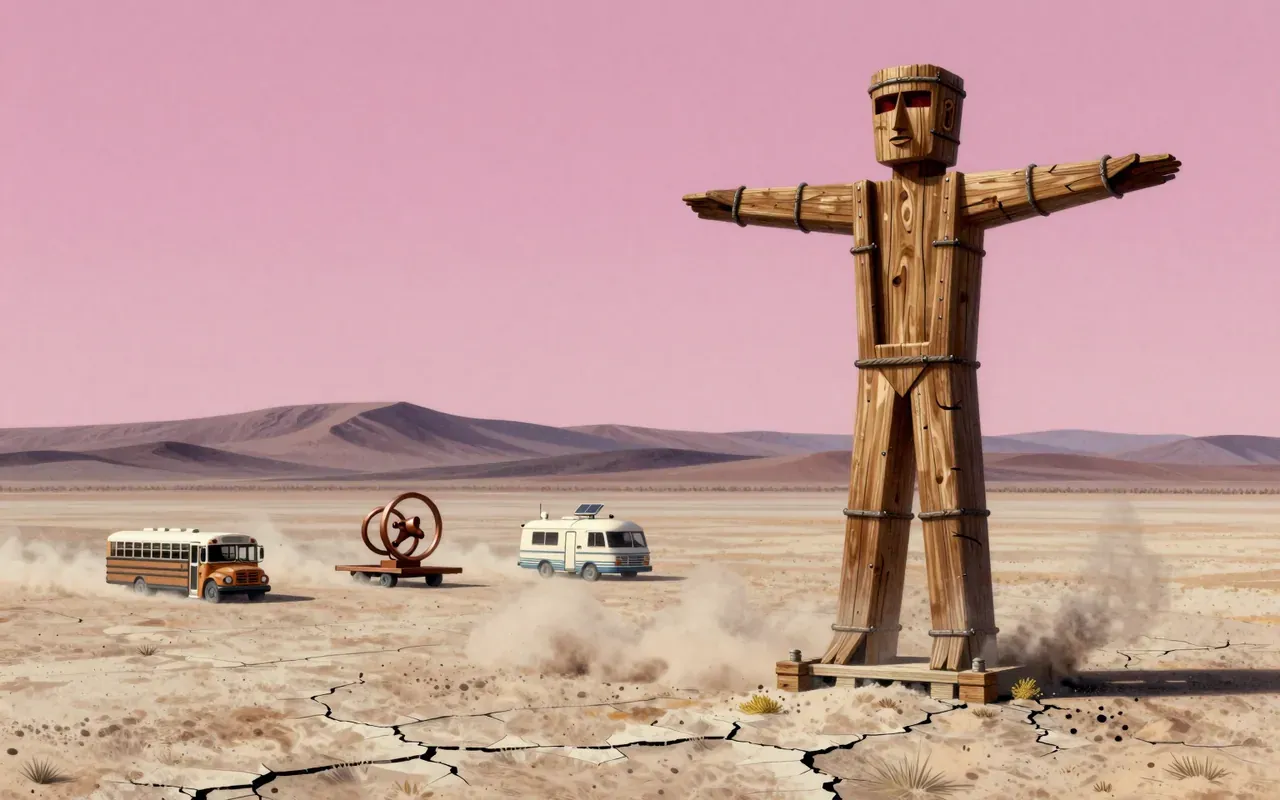
Burning Man1986Burning Man is a participant-built desert gathering named for the ceremonial burning of a wooden effigy—the Man—on the Saturday before Labor Day. It began on Baker Beach in 1986, moved to the Black Rock Desert in 1990, and operates on radical self-reliance, communal effort, and theme-driven art made solely by attendees. Its ten principles were codified in 2004—not at origin—and its model has since been replicated, commercialised, and contested. It is neither pure counterculture nor corporate spectacle, but a documented instance of how ritual, place, and principle diverge over time.
Up next in Culture

Virtue signalling

· 9:27

Calling something 'virtue signalling' doesn’t expose hypocrisy—it outsources moral judgement to tone.

9:27