What the thing is
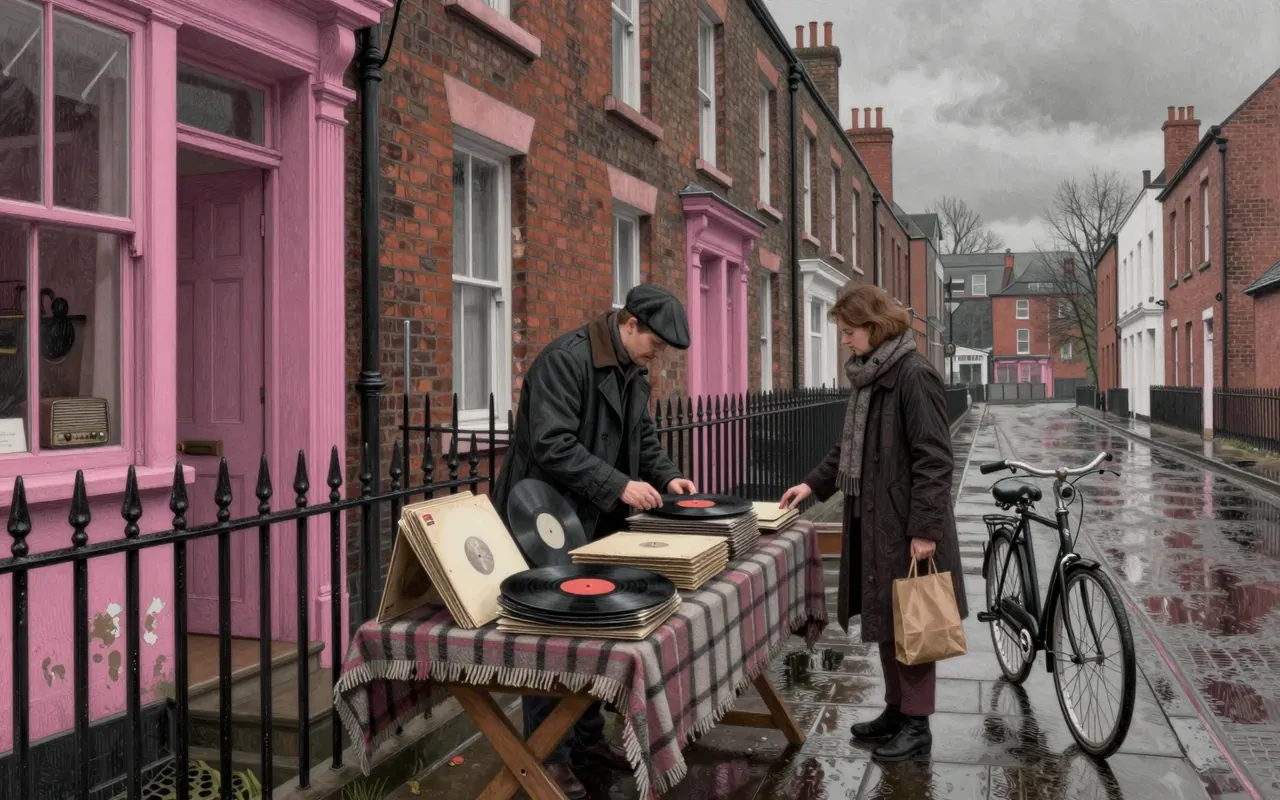
Record collecting is the hobby of collecting sound recordings. Music dominates, but poetry, speeches, and ambient noise also qualify.
Where it came from
It began nearly as long as recorded sound itself—with cylinders and shellac discs owned almost exclusively by the rich. Retrospective 78 collecting started in the 1940s among jazz fans. Disc Collector magazine launched in 1951. Burke’s Register existed from 1957. Mike Adams traded records on Merseyside in 1958.
What it gets right
It treats recordings as physical artefacts with material histories. It values condition, pressing, provenance, and error—not just content.
What it gets wrong
It assumes rarity and ownership are neutral measures. It does not confront how early exclusivity shaped access, taste, or canon formation.
Why it matters now
Because streaming erased the physical interface between listener and recording—yet valuation, discovery, and cultural memory still rely on the logic record collecting built: scarcity, tangibility, and curated lineage.
Is it worth your time
Yes—if you care about how sound becomes object, and who gets to decide its value.