What the thing is
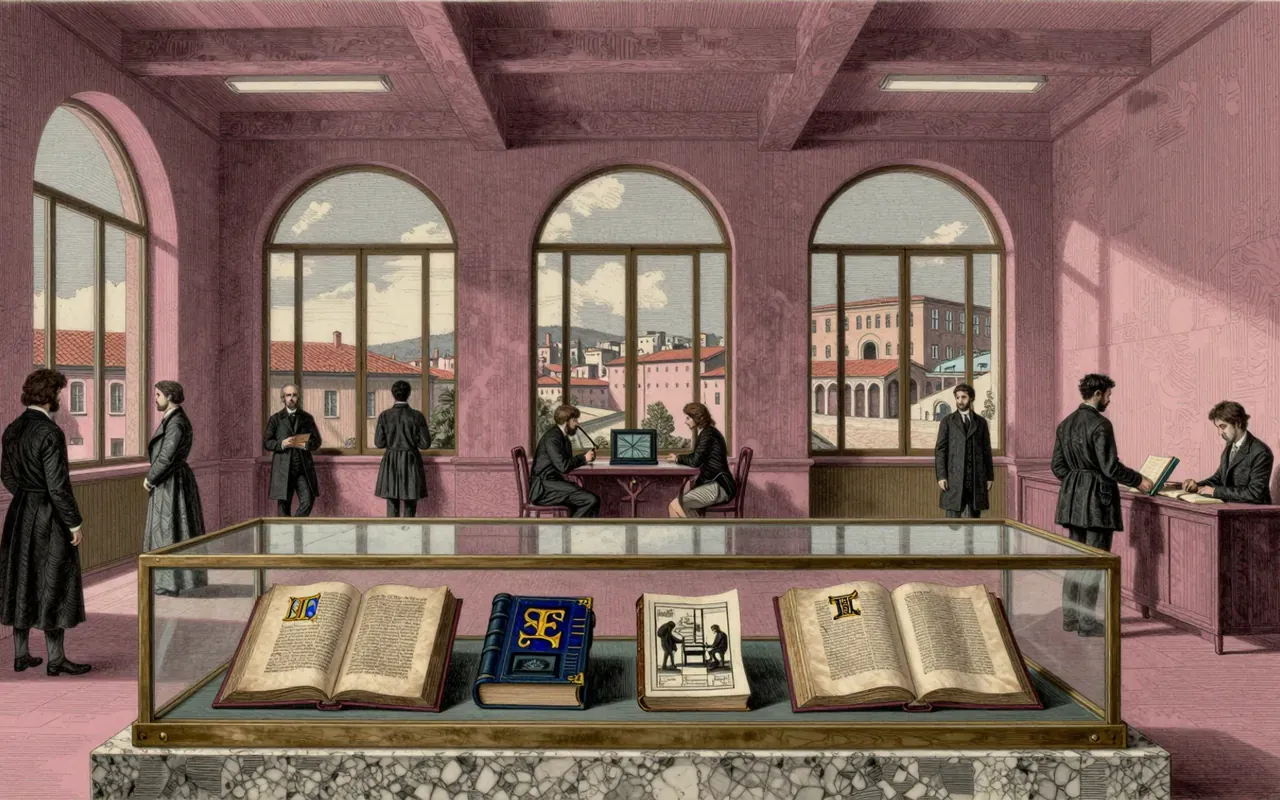
Book collecting is a sustained, methodical activity: seeking, acquiring, organizing, cataloging, displaying, storing, and maintaining books of interest.
Where it came from
It began in antiquity with papyri and scrolls collected by institutions and private individuals in the ancient world. Xenophon and Seneca criticised its excesses before Richard de Bury defended its virtue in 1344.
What it gets right
It treats book collecting as a material practice: seeking, cataloging, storing, maintaining. It anchors motivation in concrete criteria—condition, edition, provenance—not vague passion.
What it gets wrong
It implies continuity across millennia, but the ancient papyrus collector, the medieval scribe-curator, and the Renaissance bibliophile pursued different ends with different tools. The term ‘book collecting’ flattens those distinctions.
Why it matters now
Because digital archives and algorithmic curation make physical selection newly conspicuous—and newly political—as a claim on authority, memory, and scarcity.
Is it worth your time
Yes—if you care about how knowledge is preserved, displayed, and weaponised as status. No—if you expect it to explain digital reading habits or modern publishing.