11:02in productionCh. 1 · Who wears it/ 11:02 · ceiling 15 min
Subcultures · Movements & scenes
Gothic fashion
Gothic fashion isn’t about darkness—it’s about who gets to wear black, and who decides.
Gothic fashion is a subcultural clothing style worn by members of the goth subculture. It originated in 1980s London, drawing from the Victorian cult of mourning and expressed through stark black attire, dramatic makeup, and historically referential silhouettes. It evolved alongside gothic rock music and venues like the Batcave (1982–1986), and later diversified into variants including deathrock, haute goth, Gothic Lolita, aristocrat, cybergoth, traditional goth, and Victorian goth. Social media has reshaped its practice, shifting it toward branded performance and internal gatekeeping.
Gothic fashion is defined by its users—not designers, not trends, but members of the goth subculture.
2:40
Where it began
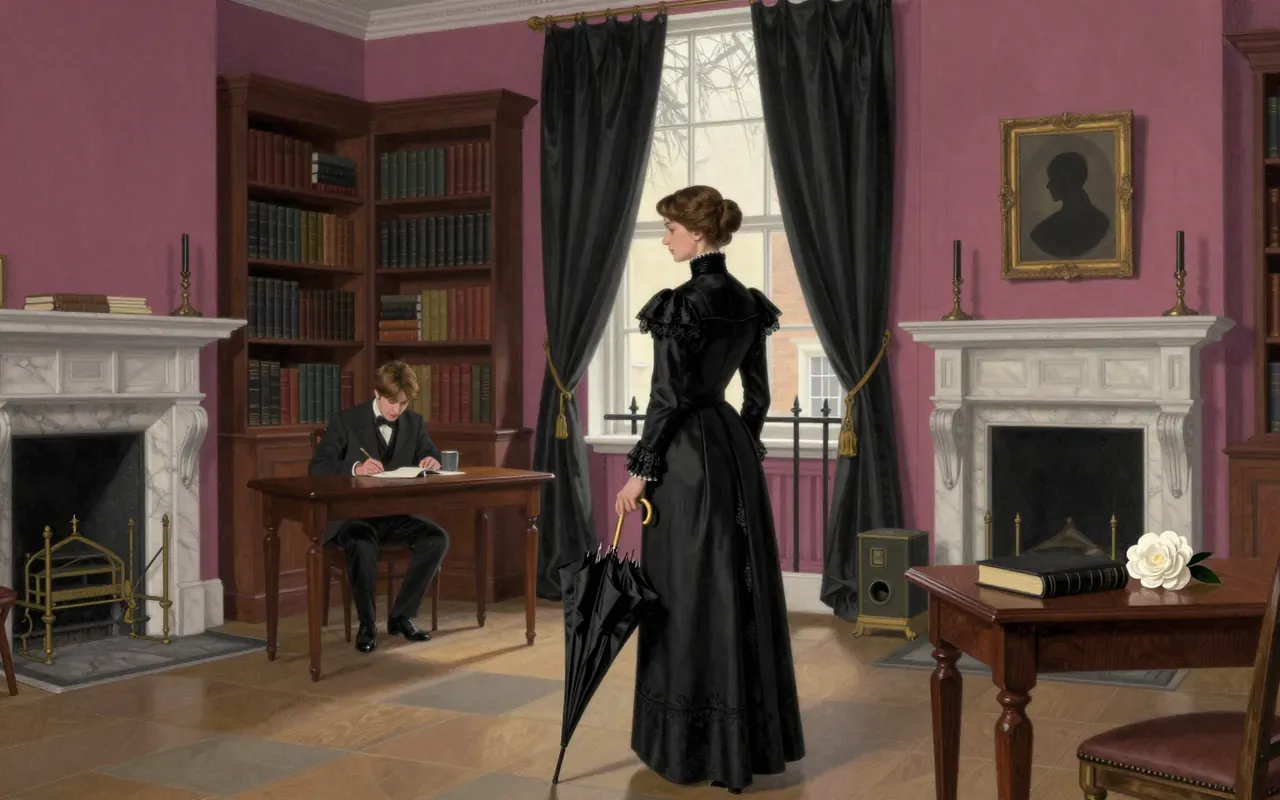
It began in 1980s London as a visual shorthand for musical allegiance, drawing from Victorian mourning and centred at the Batcave.
4:09
How it looked
Early goth bands codified the look: Lily Munster hair, makeup, and clothes—not rebellion, but theatrical consistency.
5:14
How it changed
Social media didn’t spread goth—it rebranded it: less organic movement, more calculated aesthetic product.
7:11
What it isn’t
It is distinct from heavy metal and emo fashion—neither louder nor sadder, but structurally different in intent and reference.
Worth your time?
Yes. Study the whole thing.
3.5/ 5
What works
as a case study in aesthetic codification
as evidence of how physical scenes collapse into algorithmic feeds
What does not
iconic
groundbreaking
timeless
seminal
Study it if
people studying how subcultural identity becomes legible through dress
those tracking the platformisation of niche aesthetics
Skip it if
anyone looking for mainstream fashion history
those seeking stylistic influence on high fashion
The written brief1 min read
What the thing is
Gothic fashion is a subcultural clothing style worn by members of the goth subculture.
Where it came from
It emerged in 1980s London, rooted in the Victorian cult of mourning and consolidated at the Batcave nightclub between 1982 and 1986.
What it gets right
It anchors identity in visual grammar: black as uniform, mourning as syntax, music as origin point.
What it gets wrong
It mistakes internal gatekeeping for coherence. Social media turned shared ritual into branded performance—without changing the clothes, only their context.
Why it matters now
It shows how a scene built on musical affiliation and physical space now operates as a fragmented, platform-mediated set of aesthetics—with no central venue, no shared sound, and no agreed entry test beyond appearance.
Is it worth your time
Yes—if you care how subcultural identity hardens into aesthetic code, then fractures under algorithmic pressure.