John Peel was a BBC Radio 1 disc jockey who hosted shows from 1967 to 2004. He began on offshore pirate station Radio London in early 1967 with The Perfumed Garden, then moved to BBC Radio 1 the same year. He played psychedelic rock and progressive rock first—and kept adding genres: dub reggae, punk, post-punk, UK rap, extreme metal. He broke more important artists than any individual between 1967 and 1978. His four-song sessions gave unknowns their first national broadcast—no frills, no filters. The Festive Fifty wasn’t curated—it was voted. Listeners chose. He counted. He had no editorial accountability. His taste was personal, not representative. He never claimed to reflect a movement—yet his legacy is often flattened into one. His model—genre-agnostic curation, artist-first studio sessions, audience-driven selection—prefigures today’s algorithm-averse music discovery, but without the infrastructure or reach of streaming platforms. Yes—if you care how British radio shaped underground music for thirty-seven years.
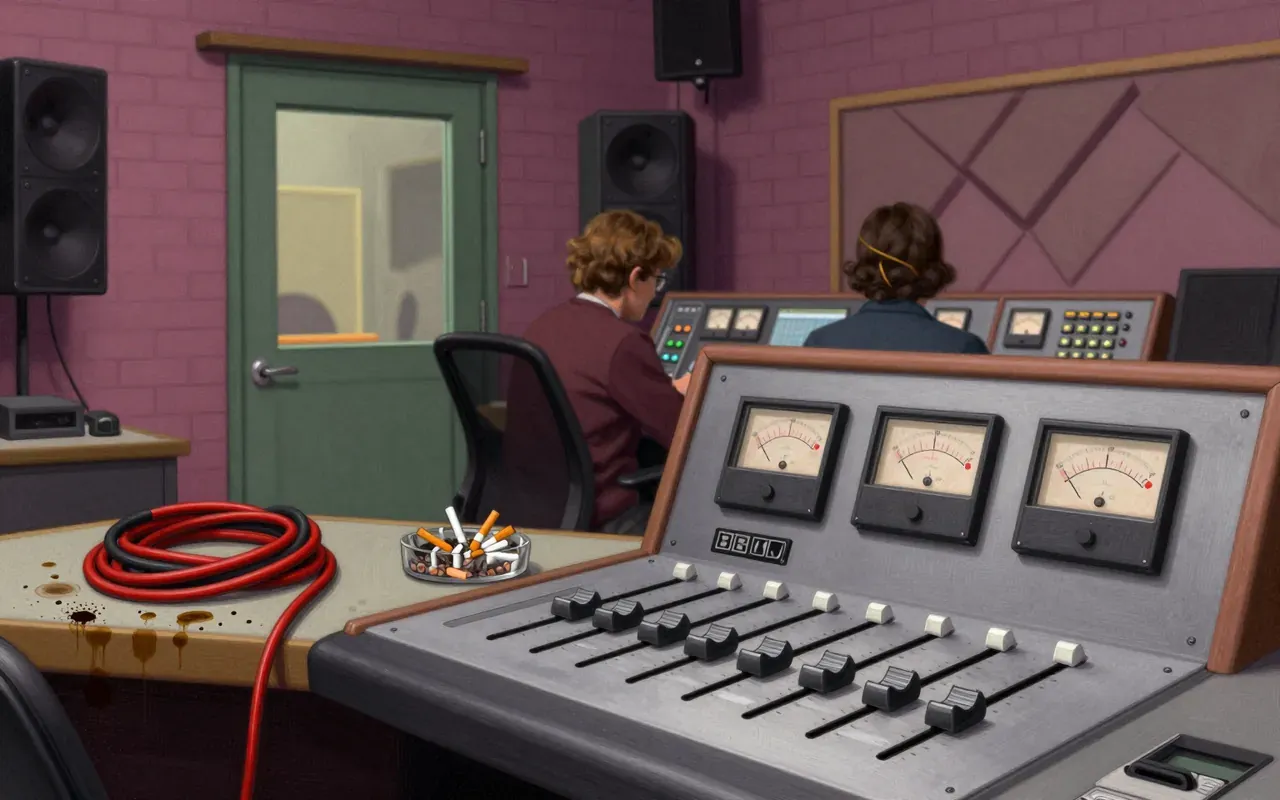
The Perfumed Garden on Radio London in early 1967 established his voice before the BBC.
1:57
The BBC Anchor
He was BBC Radio 1’s longest-serving original DJ—and broke more important artists than anyone between 1967 and 1978.
3:35
Genre Without Borders
He played psychedelic rock first—and kept adding genres: dub reggae, punk, post-punk, UK rap, extreme metal.
4:48
The Four-Song Threshold
Peel Sessions gave unknowns their first national broadcast—four songs, no frills, no filters.
5:40
Democracy in the Dial
The Festive Fifty wasn’t curated—it was voted. Listeners chose. He counted.
Worth your time?
Yes. Study the whole thing.
4.5/ 5
What works
The Perfumed Garden
Peel Sessions
Festive Fifty
What does not
iconic
groundbreaking
seminal
timeless
Study it if
listeners who distrust algorithms
artists who need first exposure
historians of British media
Skip it if
those seeking mainstream consensus
fans of retrospective canon-building
The written brief1 min read
What the thing is
John Peel was a BBC Radio 1 disc jockey who hosted shows from 1967 to 2004.
Where it came from
He began on offshore pirate station Radio London in early 1967 with The Perfumed Garden, then moved to BBC Radio 1 the same year.
What it gets right
He gave national exposure to unknown artists across wildly divergent genres. His four-song sessions offered intimacy and immediacy. The Festive Fifty centred listener taste, not industry hype.
What it gets wrong
He had no editorial accountability. His taste was personal, not representative. He never claimed to reflect a movement—yet his legacy is often flattened into one.
Why it matters now
His model—genre-agnostic curation, artist-first studio sessions, audience-driven selection—prefigures today’s algorithm-averse music discovery, but without the infrastructure or reach of streaming platforms.
Is it worth your time
Yes—if you care how British radio shaped underground music for thirty-seven years.