What the thing is
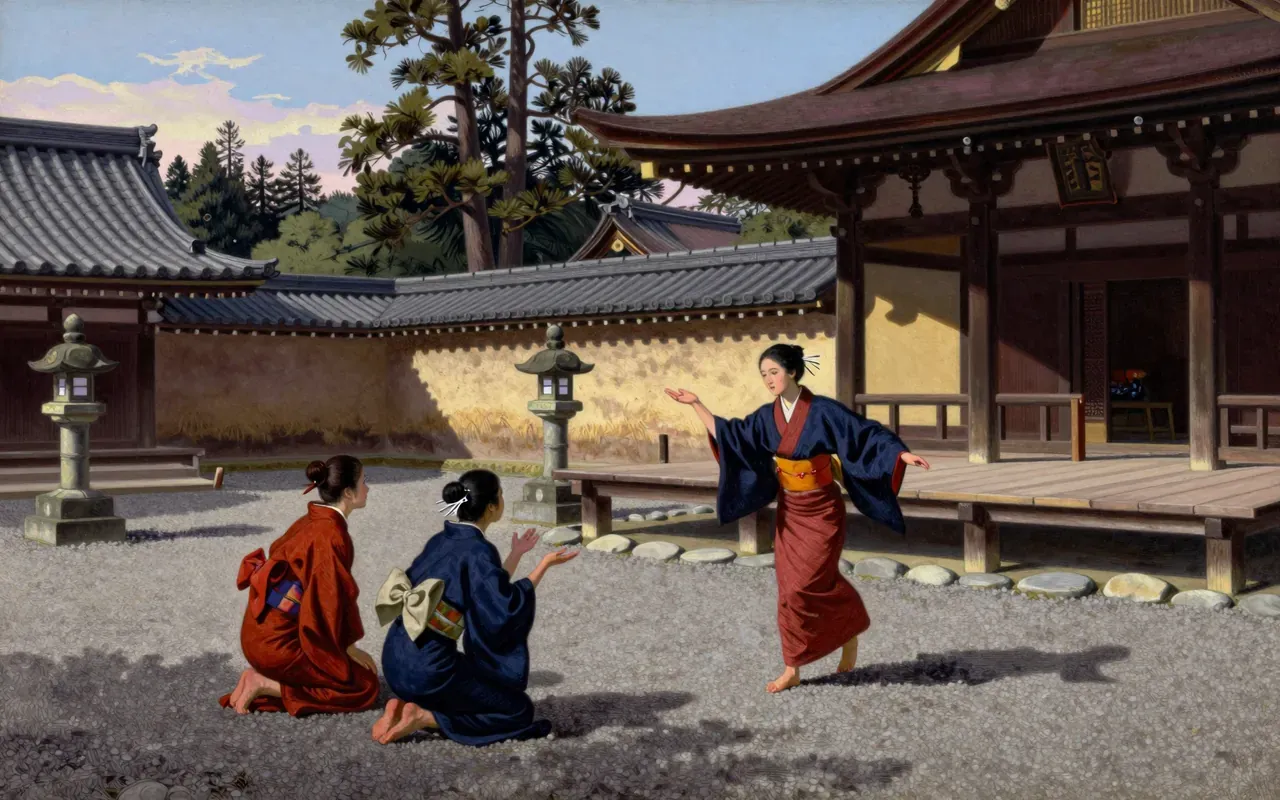
Kabuki is a Japanese theatrical form defined by stylised acting, music, and costume. Its earliest version was pantomimed dance-drama performed by young women.
Where it came from
It began in 1603 on the dry bed of the Kamo River in Kyoto, led by Izumo no Okuni—a former shrine maiden—who formed a troupe of young female dancers.
What it gets right
It gave ordinary life theatrical weight. Female performers played both men and women in comic playlets rooted in daily experience.
What it gets wrong
It displaced its own origin. The 1629 shogunal ban ended female performance—not for artistic reasons, but because it threatened social order—and replaced it with an all-male form that formalised hierarchy, not subversion.
Why it matters now
It shows how state power reshapes culture: what begins as irreverent, embodied, and gender-fluid performance becomes rigid, institutional, and male-centred within decades.
Is it worth your time
Yes—if you want to see how a radical, popular, and short-lived form of female-led performance was erased, then codified into something else entirely.